What I Have Been Learning About Myself

Reading Time: 8 minutes

There are seasons in a life when the questions we are asking quietly change without our noticing. For most of my adult years, I had been asking what I should do next. What to study, what to publish, what to train for, who to become. These were useful questions, and they shaped a productive life. What I am only now beginning to see is that they all rested on an assumption I had never examined. The assumption was that I already knew who I was, and that the work was simply to decide where to take her.

That assumption has quietly fallen apart this year, and the falling apart has turned out to be a kind of gift.

Title: The Ground Beneath

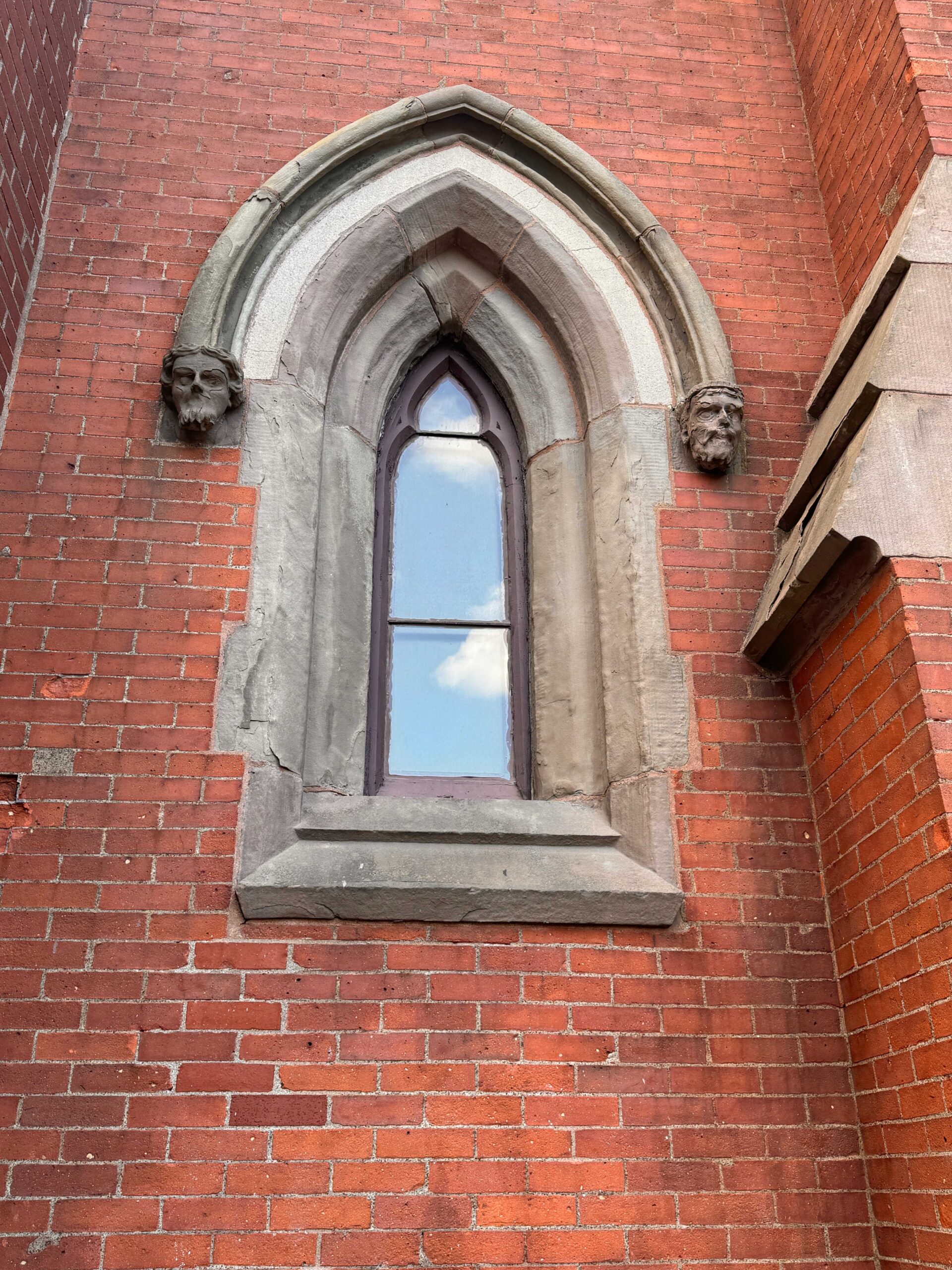
The Ground Beneath
Photo Credit @Amy Tucker April 2026

I am sixty years old. I have spent most of my life in the academy, teaching, researching, writing, and contributing across a career largely defined by what I produced. I have been a triathlete for years, and I will represent Canada at the World Championships in September in Aquabike and Sprint events. I have finished my dissertation. I have kept a wellness column for the Kamloops Chronicle. I have loved a man for seven years. I have built a home, a body, and a body of work. I have, by most measures, been doing well.

And yet, quietly and persistently, something in me has been asking for more honesty. No more accomplishments. More honesty. More attention to who is actually living this life from the inside.

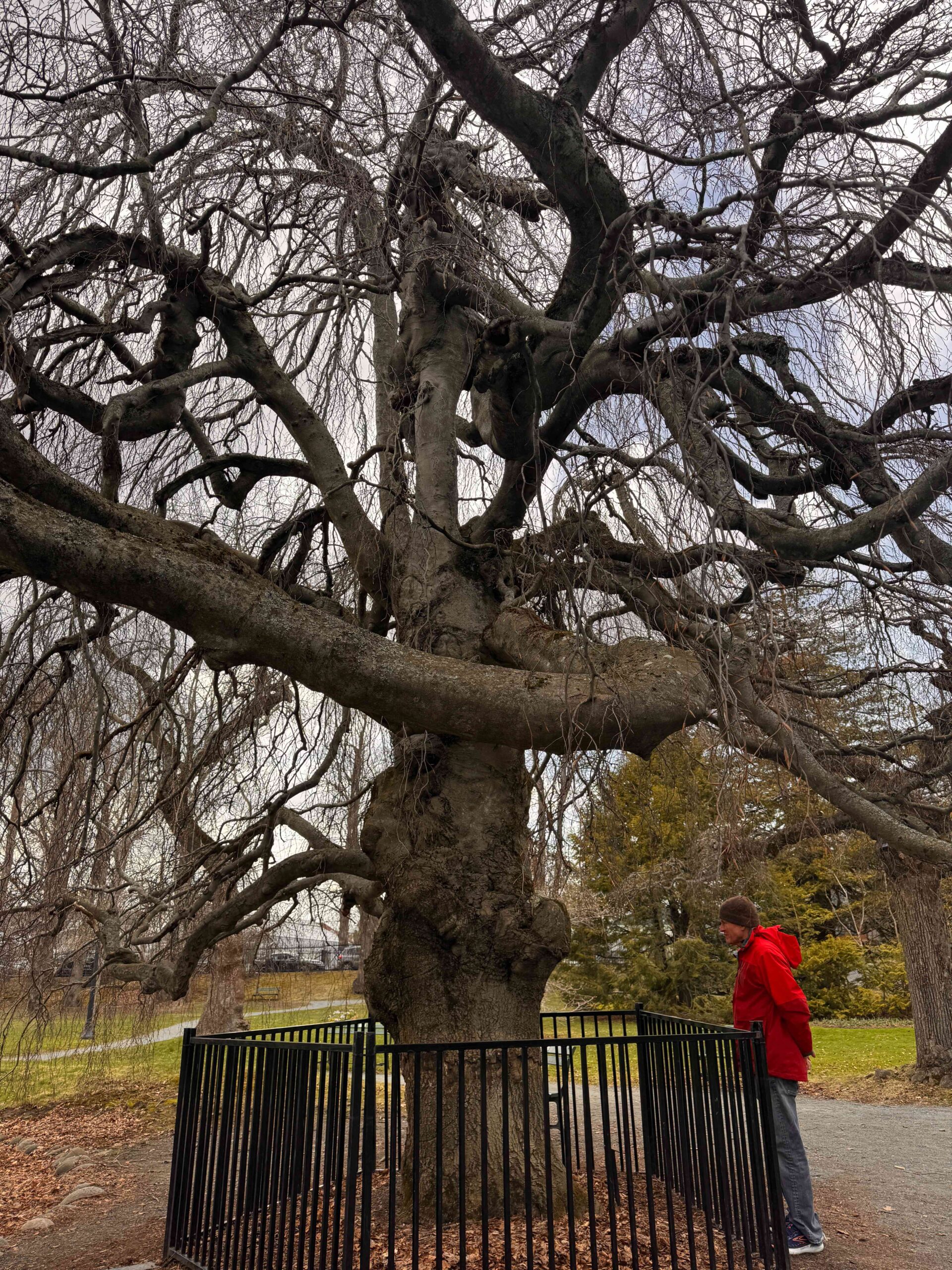
Title: Small Acts of Finding

Small Acts of Finding
Photo Credit @Amy Tucker April 2026

I am, at my core, an introvert, and I am only recently beginning to give that fact the weight it deserves. I draw my energy from solitude, from quiet rooms, from unhurried time with my own thoughts. I prefer to be alone, and for most of my life, I felt a quiet shame about that preference, as if it were a failure of sociability rather than a feature of how I am made. What I am finally letting myself say out loud is that I feel most at peace when I am alone, because I am free from judgment, free from navigating someone else’s expectations, free from worrying that I have said the wrong thing, misread the room, taken up too much space, or taken up too little. I feel at ease with myself. I cause no accidental harm to anyone. I am simply here, in my own company, without the low constant hum of relational vigilance that has followed me through so many rooms in my life.

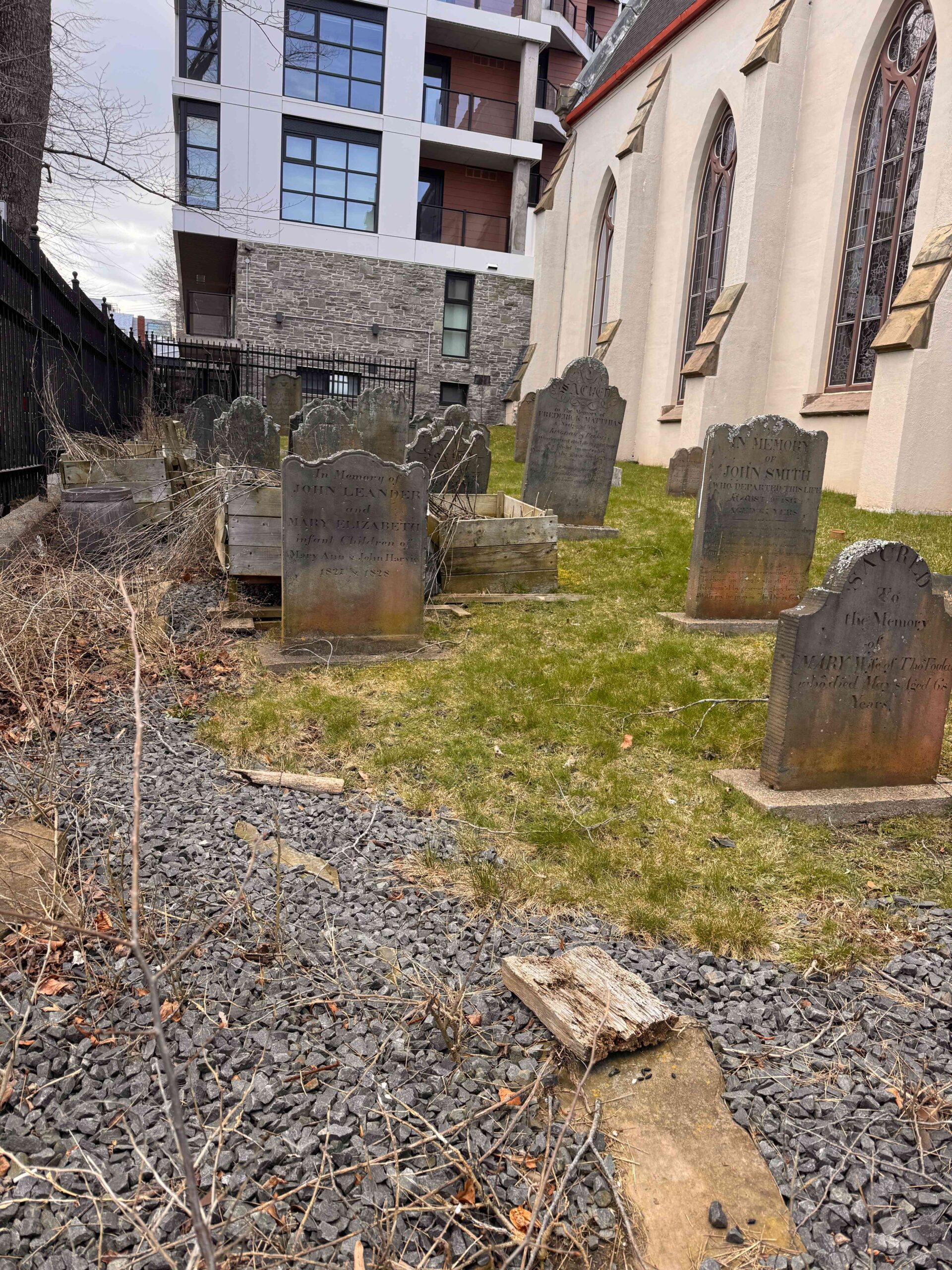
Title: Watching from the Inside

Watching from the Inside
Photo Credit @Amy Tucker April 2026

For much of my career, my work taught me to be extroverted. Teaching demanded it. Meetings demanded it. Conferences and committees and advising and leading all demanded it. I learned to do it, and for a long time, I believed I had genuinely become it. What I am realizing now is that extroversion was a performance I could sustain because I am attuned, capable, and quick in a room, but it was never the truth of my energy. It was a skill I had built at high cost. Every extroverted day drained me in ways my extroverted colleagues seemed to recover from easily. I went home depleted. I ate to fill the hollow. I slept poorly. I found it impossible to understand why other people found the same rooms energizing when I found them exhausting. I thought there was something wrong with me. What was actually wrong was that I was living inside a professional identity that asked the opposite of what my temperament needed, day after day, for decades, and I had no framework for naming the cost.

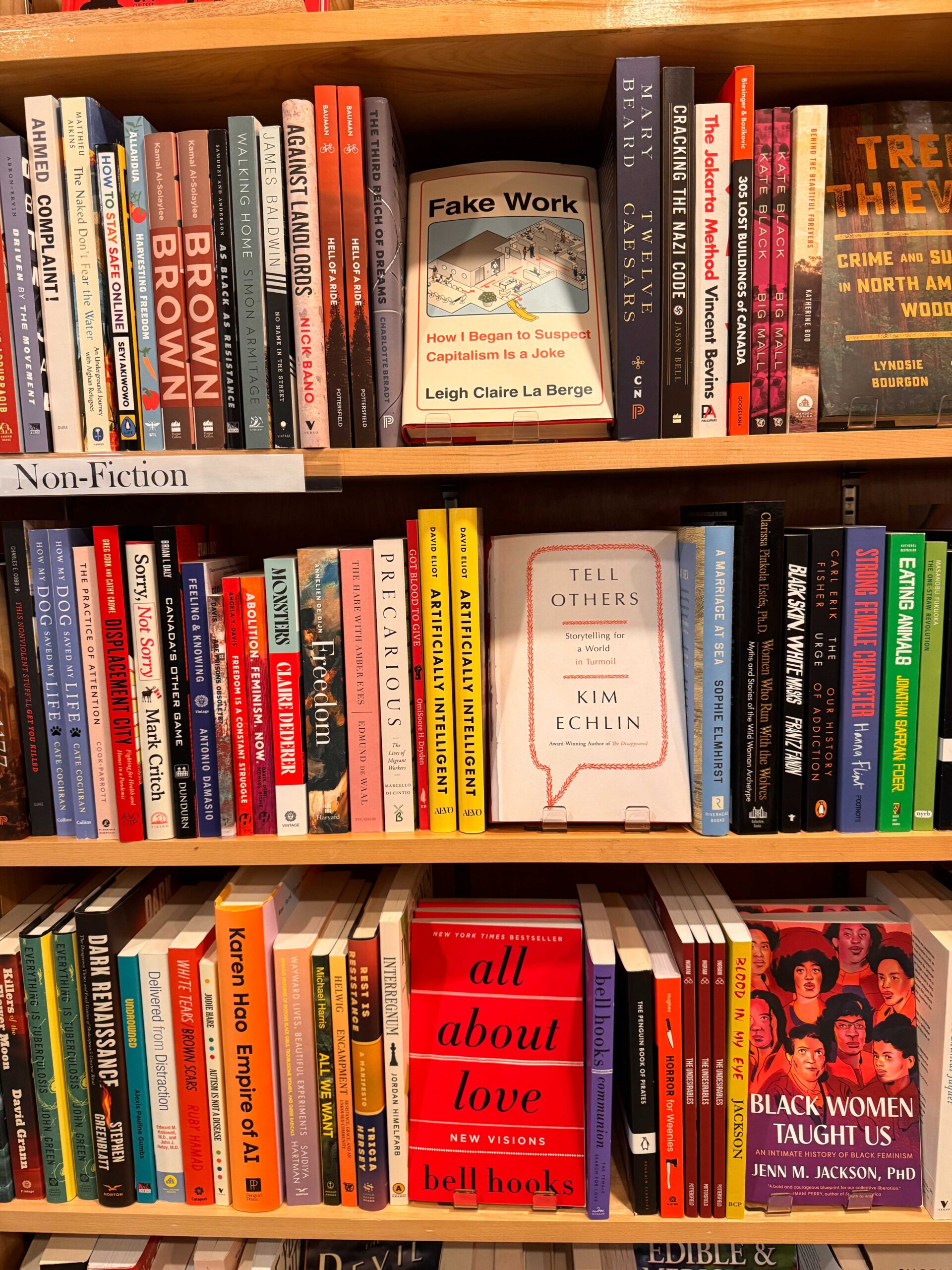
Title: The Performance of Looking Up

The Performance of Looking Up
Photo Credit @Amy Tucker April 2026

I am naming it now. The solitude I crave is purposeful. It is a love of people, from the right distance. It is a form of connection chosen freely. It is the way my temperament refuels itself, and it is also the space in which I am finally able to be with myself without the exhausting weight of being watched, evaluated, or needed. I have come to believe that my preference for being alone deserves to be honoured rather than apologized for, and that the extroversion I performed for so many years was one of the quieter costs of a working life that was never quite designed for someone built like me.

Title: Rooms I Have Learned to Leave

Rooms I Have Learned to Leave
Photo Credit @Amy Tucker April 2026

The deeper looking began, as it often does, with a list. I sat down and wrote out the limiting beliefs I could feel operating underneath my days. There were nine of them by the time I finished. I named them carefully, and I tried to be honest about the ones I was most tempted to skip. The one that had the deepest roots was the belief that my worth was tied to what I produced. Around that belief, I could see that an identity had formed over many years. I had become the one who holds it all together. The woman who could be counted on, who showed up, who carried, who managed, who kept going. That identity had worked well for me. It had also cost me things I am only beginning to add up.

Title: What Has Grown in the Waiting

What Has Grown in the Waiting
Photo Credit @Amy Tucker April 2026

I decided to sit with that belief and identity honestly and trace them through the different domains of my life.

In my relationships, I have found that I most often show care through doing, giving, and supporting others in tangible ways. The care itself is genuine. It is an expression of something real in me. What I noticed when I looked closely was that this way of expressing care has quietly become a form of currency. Being valued and being useful have become almost the same thing in my interior world. I feel more comfortable offering than receiving. I find it easier to be the person who shows up with a meal, a piece of advice, a note of encouragement, than to be the person who lets someone else show up for me. The cost has been that my relationships have often been anchored in contribution rather than in mutual presence. The polished version of me has gone outward. The unfinished version has stayed private, sometimes even from myself. I am beginning to ask what it would feel like to be valued simply for being present, without producing anything at all. The answer is still ahead of me. The question itself is still new.

Title: What We Carry Forward

What We Carry Forward
Photo Credit @Amy Tucker April 2026

In my work, I found that the belief has been both an engine and a weight. It has driven me to achieve and to contribute, and the life that has resulted is one I am genuinely proud of. It has also made rest into something I could only access if I had earned it first. Even moments of stillness have come with conditions. Rest had to be justified by what came before it or what would come after it. The possibility of simply resting, because a human body and mind need rest, has been almost entirely unavailable to me. The belief, I now see, is closely tied to decades of moving through environments that made my place feel conditional. Those environments were real, and the belief was accurate in them. What I am learning is that the environments have changed, and that the belief has quietly persisted past the conditions that produced it. It is doing work that is no longer required.

In my outlook on the world, the belief has shaped how I walk into rooms. Rooms have sometimes felt like assessments. Opportunities have felt like tests. New relationships have felt like introductions I needed to pass. I also hold, in the same heart, a real belief in possibility and in care and in the ordinary goodness of people. Both perspectives live in me at once. What I have begun to notice is that when the limiting belief is loud, I walk past the rooms where I am already welcome. My attention is given entirely to the rooms that are asking me to prove something, and the rooms of welcome stand quietly beside me, unrecognized. I am learning to notice them. I am learning to stay in them longer before reaching for the next thing.

What I am coming to understand is that my beliefs were the interpretations I absorbed along the way about what life required of me. Some of them were accurate. Some of them were distortions. The belief that my worth was tied to what I produced was a distortion. It took something real about who I am, which is a person who genuinely cares about contribution, and it quietly twisted that care into a demand. The care itself is beautiful. The demand attached to it is where the suffering has lived.

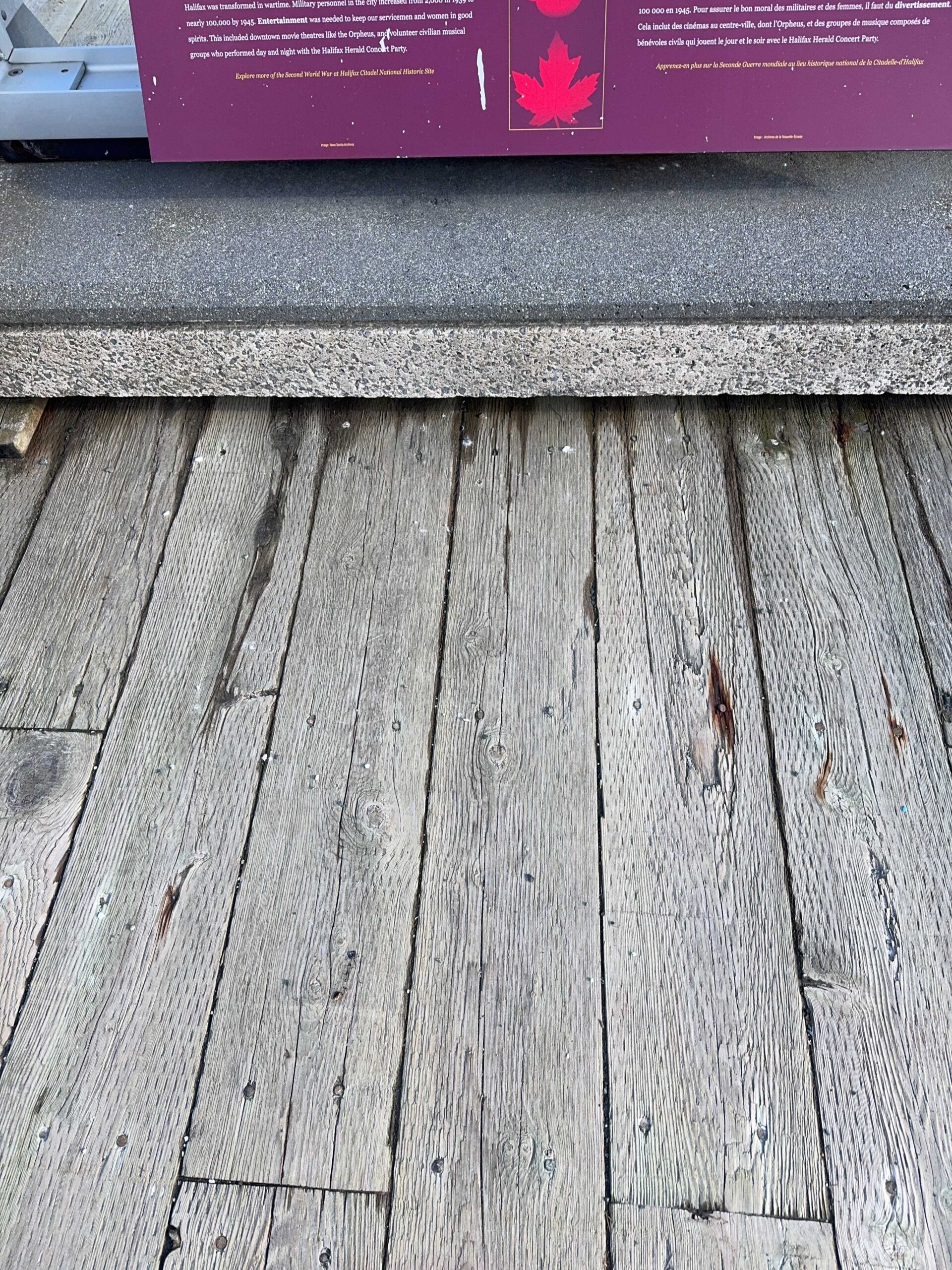
Alongside this work, I have been naming my values with a precision I have never given them before. I value care and compassion. I value justice and fairness. I value integrity. I value meaningful contributions. I value growth and self-understanding. I value relationality. I value authenticity. I value resilience and perseverance. I value creativity and expression. These go beyond a list I recite. They are the grain of the wood. They describe a woman oriented toward meaning, depth, and human flourishing. They also ask a great deal of me, and I have been holding them for a long time without quite allowing myself to rest inside them.

Title: The Grain of the Wood

The Grain of the Wood
Photo Credit @Amy Tucker April 2026

What I want to say, as a closing thought, is that I am writing this as someone still on the way. I am writing it from inside the work. The woman I am becoming is still arranging herself, and she has some distance to travel. She will still be recognizably me. She will still be an introvert who finds her home in solitude. She will still carry the same values she has always carried. But she will move through the world more lightly, with less self-punishment, and with more room to simply exist as the particular person she was made to be. That is the work I am doing this year. That is what all of this has finally been for.

If you are reading this and you are in the middle of your own becoming, I want you to know that your unfinished work is welcome here. You are welcome to speak before you arrive. Figuring it out can come later. You are allowed to be where you are, and to say so out loud, and to trust that the saying itself is part of how you get to wherever you are going.

That is the work. That is all it has ever been.
Finding Myself: A Reflection

Reading Time: 11 minutes

There comes a point in a long life of reflection when the question quietly changes. For most of my adult years, I had been asking what I should do next. What should I study. What should I publish. What should I train for? What should I become? These were useful questions, and they shaped a productive life. But they were all questions about direction, and they rested on an assumption I had never quite examined. The assumption was that I already knew who I was, and that the work was simply to figure out where I was taking her. In recent months, that assumption has quietly fallen apart. I have come to realize that I am still in the process of knowing who I am, and that much of what I thought was my identity was actually a set of adaptations I had made to the environments I moved through over a long career. The question shifted, almost without my noticing, from what I should do next to who was asking. That question is harder. It is also, I think, the question that matters most in the second half of a life.

Title: A Moment of Reflection

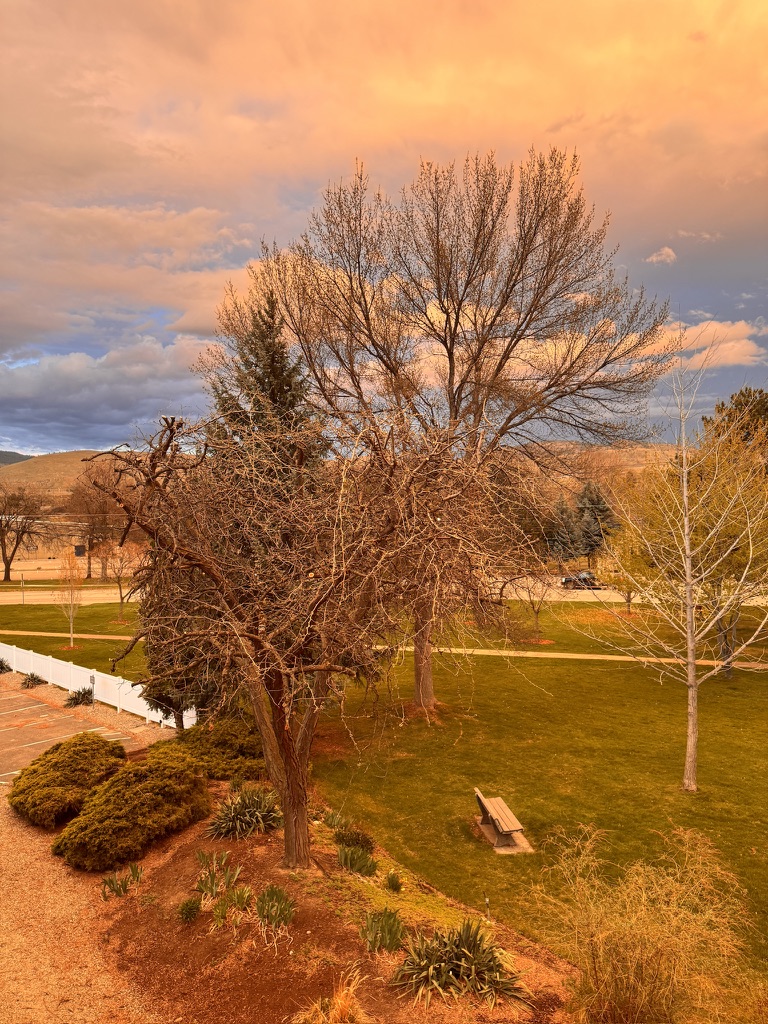
Warm sunset sky over park trees with mountains in the distance
Photo Credit: Amy Tucker, April 2026

The look began with the frameworks. I had read about personality for years without quite using the material on myself, and I finally decided to sit with it honestly. I took the inventories. I read the profiles slowly. I let the descriptions have their chance to reflect something back. The Myers-Briggs Type Indicator (Briggs Myers & Myers, 1980) profile that emerged was INFJ, which describes a person oriented toward depth, meaning, attunement, and the interior life. The True Colours system (Lowry, 1978) placed me as Orange and Blue with Green close behind, and with Gold noticeably absent from my top colours. Reading these descriptions was a curious experience. Some of what they said landed with an almost physical recognition. Some of it made me pause. Some of it I wanted to push back against. I want to write about that honestly, because I think the habit of accepting every flattering description as the truth about ourselves is one of the subtle ways we keep ourselves hidden.

Title: New Growth

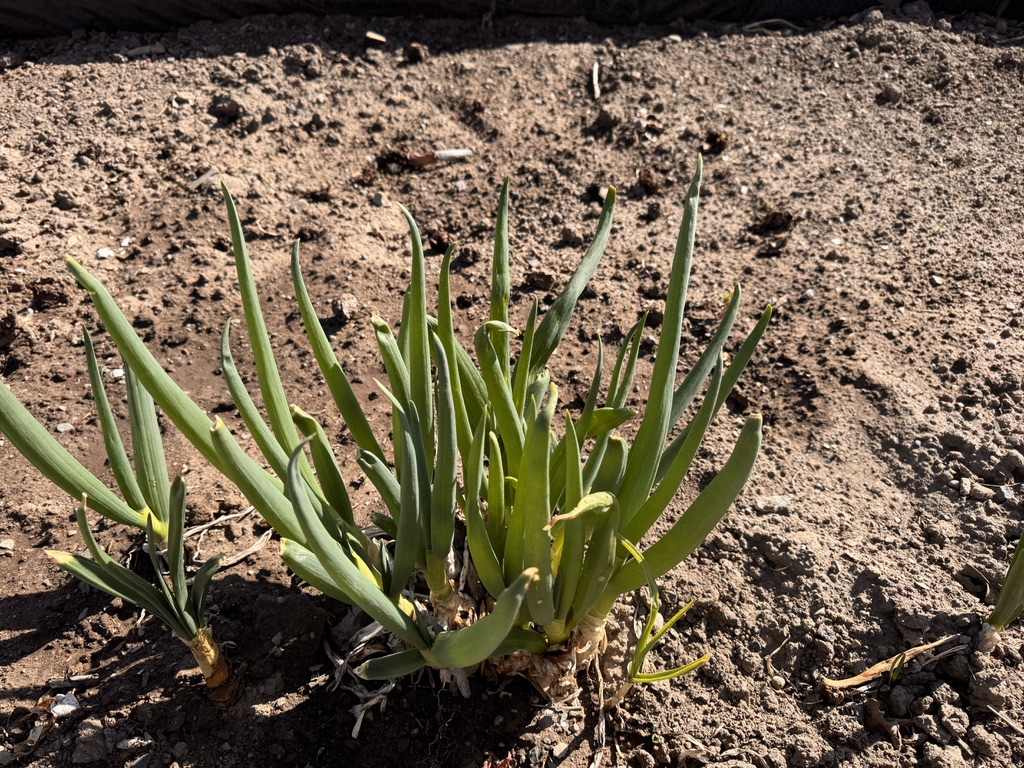
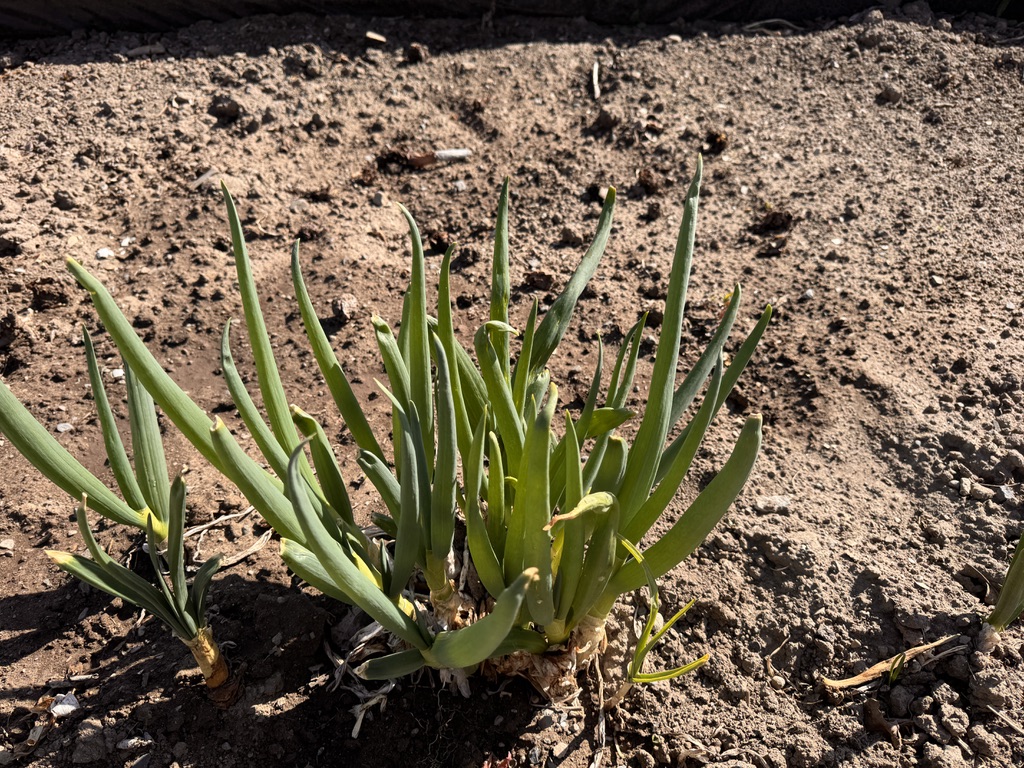
Green shoots emerging from soil
Photo Credit: Amy Tucker, April 2026

There was more agreement than I expected. The description of the INFJ as someone with a rich inner world that she rarely shares at its full depth, and whose composed external presentation often fails to match the complexity of her interior, was accurate enough that I sat down while reading it. That description named the girl I was at nine years old, already learning to arrange her face before entering a room, and it named the woman I have been for most of the years since. The description of a temperamental drive toward meaning-making was equally accurate. The dissertation, the wellness column, the blog, the book I am shaping, and much of the work I have done across a long career are all evidence of this pattern. I have been turning what I have lived through into contributions for as long as I have been alive. The True Colours reading of Orange and Blue and Green as roughly equal in me was also true, and the agreement there was harder to bear, because it named a tension I have lived with without having the language to describe it. My Orange wants to be in my body, training, running, and moving. My Blue wants to be with people, writing to them, caring for them. My Green wants to sit quietly with books and ideas. Each is legitimately me. Each asks for real time and energy. The tension between them has been part of my daily experience for as long as I can remember.

And yet, even as I was nodding, I was also pushing back. The frameworks describe a tendency toward perfectionism and a disproportionate sense of shame for small lapses, and they often frame these as essential features of the type. I disagree. I believe these are injuries rather than essential features. They are what happens when a sensitive, ethically attuned person absorbs standards of performance that were never meant to be internalized, and when she spends decades in environments that reward the internalization. The ethical rigour itself may be temperamental. The punishing internal critic attached to it is, I have come to believe, a learned response to environments that conflated high standards and self-punishment. That distinction matters more than almost any other insight I have arrived at this year, because one of those patterns is something I will live with to the end of my days, and the other is something I can set down. A framework that collapses the two into a single feature of the type deprives me of the distinction. I would rather hold the framework lightly, honour what it reflects accurately, and reserve the right to disagree when it tries to turn my adaptations into my essence.

What the frameworks were unable to reach, I am finding, is the layer underneath them. Temperament explains the shape of how I move through the world. Values explain what I am oriented toward. Neither of them describes the specific beliefs I have been operating from, the quiet instructions that have been running underneath my days for so long that I had stopped noticing them. Those beliefs are what actually organize a life. A framework can point in their general direction, but only the slow, unglamorous work of looking at my own days can bring them into focus. This is the work I have been doing recently, in a lesson on limiting beliefs, and it has been the most clarifying thing I have done in a long time.

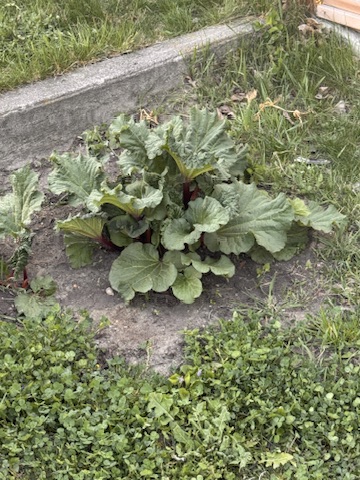
Title: Deep Roots

Rhubarb plant with broad leaves growing in a garden bed
Photo Credit: Amy Tucker, April 2026

When I made my list of beliefs and looked at them honestly, one rose quietly above the others as the belief with the deepest roots. It was the belief that my worth was tied to what I produced. Of all the beliefs I named, this one ran beneath almost everything else. It shaped what I thought about rest. It shaped how I approached relationships. It shaped my relationship with my work. It shaped how I perceived value itself. I have no memory of a version of myself unfamiliar with this belief. It felt, in a way, like bedrock. Around it had grown an identity, which I could see clearly once I looked. I had become, over many years, the one who holds it all together. That identity was the public-facing expression of the deeper belief. If my worth was tied to what I produced, then the identity that made the belief workable was the identity of a woman who could be counted on to produce, to lead, to carry, to manage, to hold the centre of things when others were unable to. The belief was the instruction. The identity was the role that followed.

The exercise I was asked to do was to examine this belief and identity across three domains of my life, to see how they had shaped the texture of my days. I sat with the first domain, my relationships with others, and asked myself how the belief and identity were showing up there. What I noticed was that I most often show care through doing, through giving, through supporting others in tangible ways. The care itself is real. It is an expression of something genuine in me. What the belief has done, quietly, is turn that care into a form of currency. I feel more comfortable offering than receiving. I find it far easier to be the person who shows up with a meal, a piece of advice, a note of encouragement, than to be the person who lets someone else show up for me. I noticed that I overextend myself, particularly when I sense that someone else is struggling, and that I take on more than is mine to hold. I read the room quickly, identify what is needed, and step into the role of the one who provides it. This has been rewarded often enough in my life that I have come to rely on it. What the belief costs me, in a relationship, is the depth of connection that becomes possible only when I am willing to be received rather than only to provide. Equating being valued with being useful leaves very little room for the simple experience of being loved when I am producing nothing. The question that arose from sitting with this domain was what it might feel like to be valued simply for being present, rather than for what I provide. The answer remains ahead of me. The question itself is new.

The second domain was my work. Sitting with the belief and the identity here was more complicated, because my work has been both a source of profound meaning and a place where this belief has done much of its quiet damage. The belief has driven me to achieve, produce, lead, and contribute meaningfully across teaching, research, and service. The life that has resulted is one I am genuinely proud of. I want to honour those accomplishments fully by pretending the belief was only harmful. It was also, in its way, generative. What the belief has cost me, though, is the possibility of simply resting. Rest, under this belief, has always come with conditions. It had to be earned through prior productivity. It had to be justified by future productivity. It had to be framed as recovery, never as its own good. The possibility of simply resting, because a human body and mind need rest, without any reference to output at all, has been genuinely unavailable to me for most of my working life. The belief is closely tied, I realize, to experiences of precarity and to the need to demonstrate credibility within institutional systems that treated people, and me, inequitably. I have spent much of my career in environments where my place was precarious, and where visible effort was the price of remaining. The belief was accurate, far from paranoid. It was a memory. It was an accurate reading of the environments I was actually living in. What I am beginning to understand now is that those environments have changed, and that the belief has quietly persisted past the conditions that produced it. I am beginning to consider how my work might feel if it were grounded in purpose rather than proof. That is a different relationship with my work than I have ever had. I am still making my way toward it. The imagining of it is itself a change.

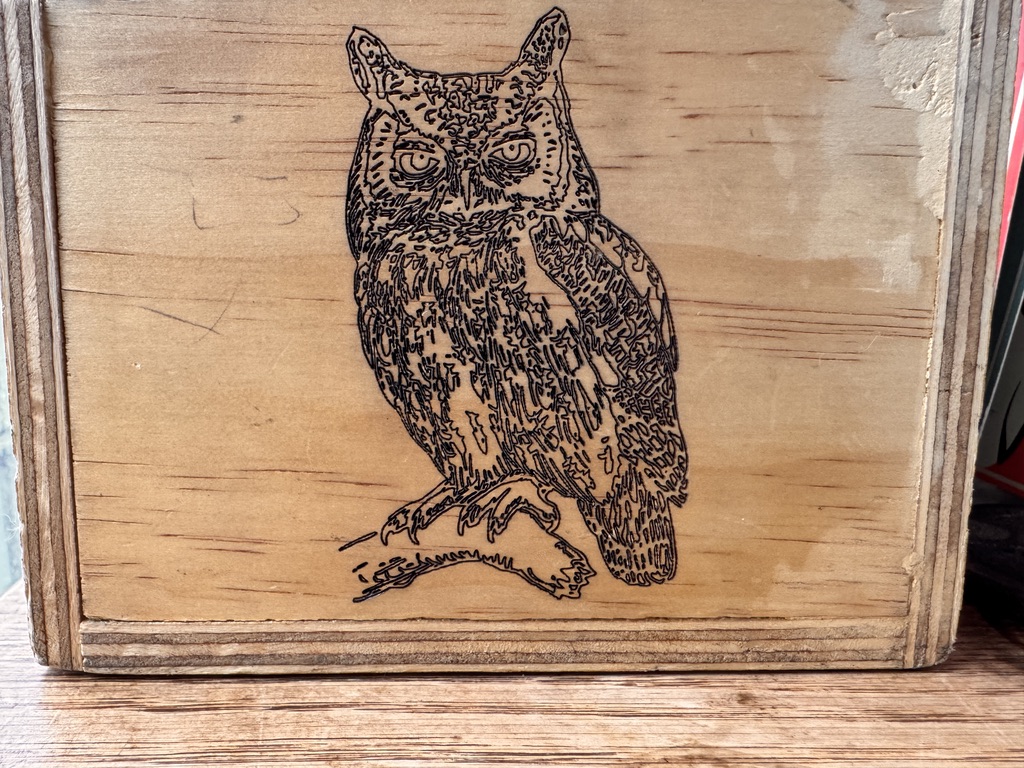
Title: The Work of Wisdom

Owl carved into a wooden box
Photo Credit: Amy Tucker, April 2026

The third domain was my outlook on the world more broadly. Here I noticed, with some discomfort, that I can sometimes see environments as places where value must be demonstrated, where recognition is tied to performance, and where effort is required to secure belonging. Rooms can feel like assessments. Opportunities can feel like tests. New relationships can feel like introductions I need to pass. This is only part of my outlook. I also hold a parallel belief in possibility, in care, and in transformation. The two perspectives coexist, and I move between them depending on the day and the room. What the limiting belief does, when it is running strongly, is narrow my view. It makes the world feel more demanding and evaluative than it may actually be. It obscures the rooms where I am already welcome, the people asking nothing of me by way of proof, the ordinary moments in which my presence alone is enough. When the belief is loud, I walk past those rooms without noticing them, because my attention is given entirely to the rooms that are asking me to perform. I am exploring the possibility that the world can also be a place where I am already enough, without continually having to demonstrate it. That exploration is slow, and it is something more demanding than positive thinking. It is the gradual reorientation of perception, room by room, over a long period of time.

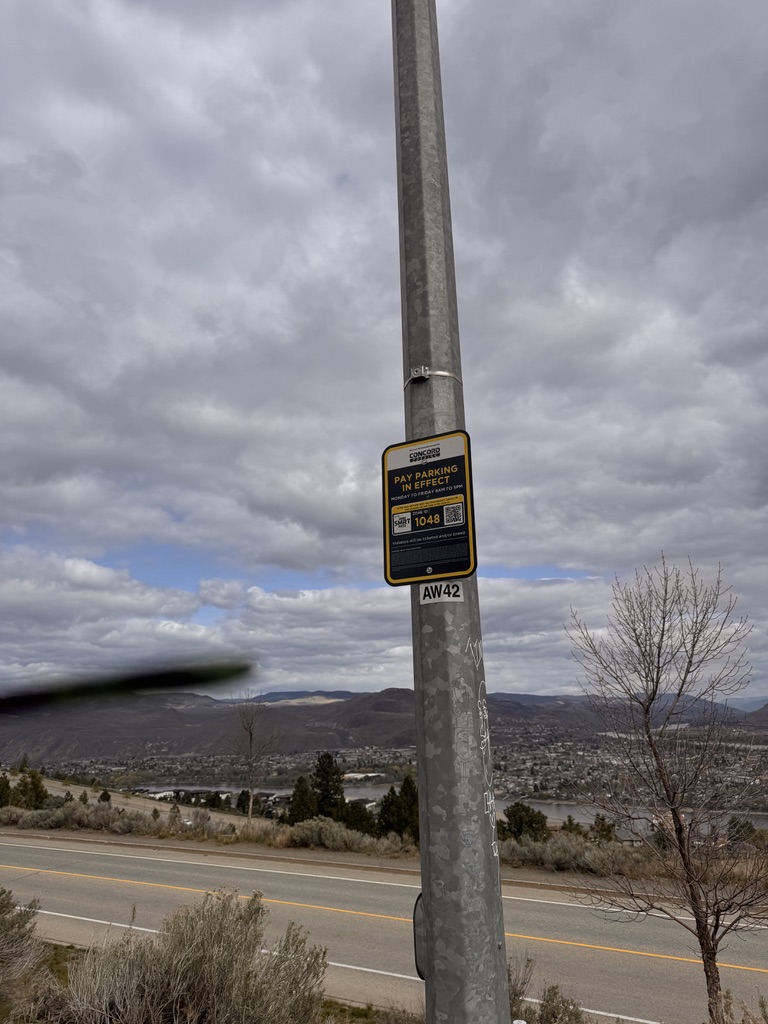
Title: Environments That Demand

Pay parking sign on a pole with a mountain town view below
Photo Credit: Amy Tucker, April 2026

Sitting with this belief and this identity across these three domains taught me something that the personality frameworks, useful as they are, were unable to reach on their own. The frameworks describe my temperament. They suggest my natural orientation. They hint at where my strengths and my difficulties may lie. But they leave unaddressed what specific beliefs I have absorbed, or how those beliefs are shaping the particulars of my daily life. That work is mine alone. It requires a different kind of looking. It also requires a different kind of patience, because the beliefs have been in place for so long that they no longer feel like beliefs. They feel like facts about the world. The work is to see them again as beliefs, which is to say, as interpretations I absorbed along the way and can, with time, revise.

What I am discovering is that the relationship between temperament, values, and beliefs is more complex than I had assumed, and that each layer requires a different kind of attention. My temperament gave me certain capacities, including my attunement, my depth, and my meaning-making. My values gave those capacities a direction, orienting me toward care, integrity, meaningful contribution, authenticity, and the other commitments I hold. My beliefs, on the other hand, were the interpretations I absorbed along the way about what my temperament and my values required of me. Some of those beliefs were accurate. Some of them were distortions. The belief that my worth was tied to what I produced was a distortion. It took something real about my temperament and my values: I am a person who genuinely cares about contribution, and it quietly twisted that care into a demand. The care itself is beautiful. The demand that has lived alongside it is where the suffering has been.

What I am discovering, slowly, is that I am neither fully the woman the frameworks describe nor the woman I have been performing for most of my life. I am somewhere between the two, and I am still arranging myself. I am an INFJ, insofar as that means anything useful. I am Orange and Blue and Green, with Gold mostly absent. I am a woman with nine clear values. I am also someone carrying specific limiting beliefs that I am now, for the first time, examining openly and naming out loud. The woman underneath all of these descriptions is someone I am only beginning to meet. She is ordinary and recognizable. She is recognizable. She is the kind of person who has always existed in human history, and who has always struggled with the same patterns I struggle with, and who has always found her way through the same honest work I am now doing. What makes her mine is simply that she is the particular version of this pattern that has shown up in my life, and that she is the one I am now responsible for tending.

There is an emerging belief underneath the older one, quieter, still learning to speak. I am worthy of connection, rest, and belonging without needing to prove it. I am practising this sentence, alongside the belief I have carried, as a companion to it rather than a replacement. Both are present. One is old and tired. One is new and tentative. I am letting them both exist, and I am trusting that over time, the newer voice will grow stronger, simply by being allowed to speak.

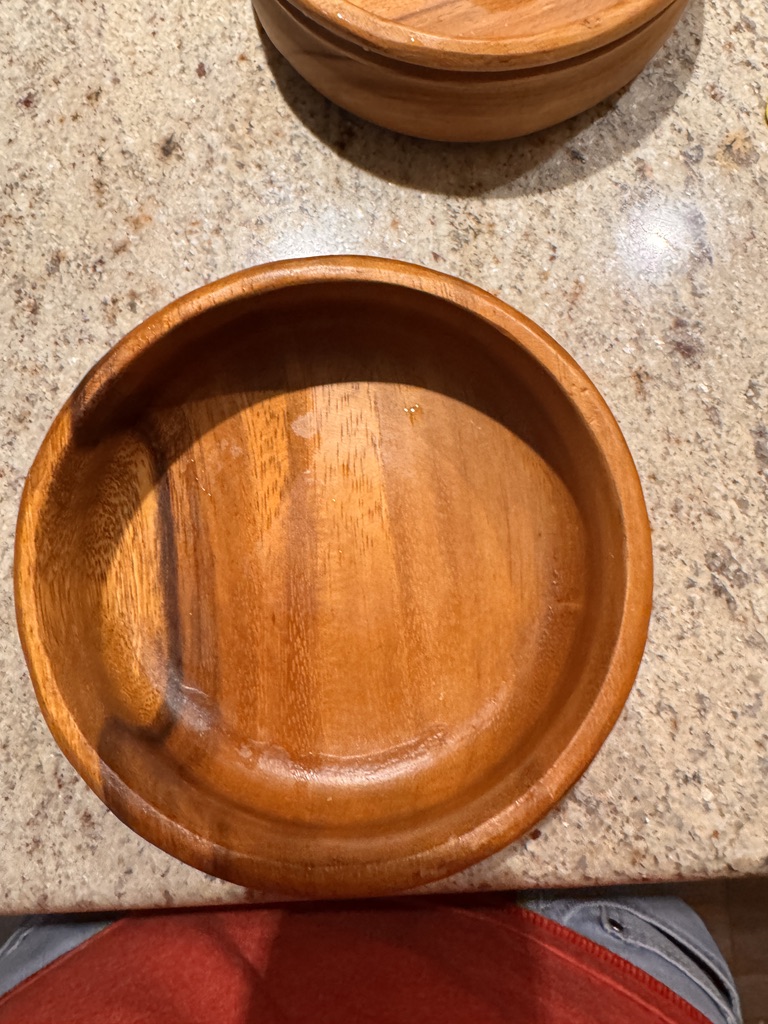
Title: Simple and Whole

Wooden bowls on a granite countertop
Photo Credit: Amy Tucker, April 2026

What I would say to anyone who is in a similar season is something quiet. Take the frameworks seriously enough to let them reflect something back, and lightly enough to keep the right to disagree with them. Take your values seriously enough to name them honestly, perhaps in writing, where you can see them all at once. And take your beliefs seriously enough to examine them in the specific domains of your daily life, where they actually do their work. The frameworks will give you vocabulary. The values will give you direction. The belief that work will give you traction. All three are needed. None of them is sufficient on its own. The woman you are becoming will still be recognizably you. She will carry the same temperament she was born with. She will honour the same values she has claimed. But she will move through the world more lightly, with less self-punishment, and with more room to simply exist as the particular person she was made to be. That is the work. That is what all of this is finally for.

References

Briggs Myers, I., & Myers, P. B. (1980). Gifts differing: Understanding personality type. Davies-Black Publishing.

Lowry, D. (1978). True Colours. True Colours International.

Public Healing

Reading Time: 9 minutes

Why I Am Writing This

I have been thinking lately about what it means to heal in public. Rather than performing healing, which is something else entirely, but to simply allow the work of becoming to be visible while it is happening. For most of my life, I believed that healing was a private matter. Something you did quietly, in the space between appointments, in the early mornings before anyone was watching. You arrived at the outcome first, and then, if you chose to, you spoke about what you had survived. You spoke from the other side of it. You kept the unfinished parts hidden.

I have begun to question that assumption. And the reason I am writing this, honestly, is that I have begun to suspect the old belief was costing me something. It was keeping me silent in seasons when speaking might have helped me. It was asking me to wait until I had figured things out before I was allowed to say anything, and I am no longer convinced that figuring things out ever fully happens. I am writing this because I want to examine, out loud, what it means to live and write and create from inside the work rather than after it.

Title: Sweet Indulgence
Photo Credit: Amy Tucker, April 2026

Why Public Healing Is Different

What I am learning, slowly and with considerable discomfort, is that healing in public is a different kind of work than healing in private. It asks more of you and asks for something different. In private, healing can happen in whatever order your body and mind require. You can be messy. You can circle back. You can unravel a belief on a Tuesday and rebuild it on a Thursday and change your mind again by the weekend. No one is watching, so no one has expectations. The work belongs entirely to you.

Public healing is something else entirely. When you write about what you are learning while you are still learning it, you hand the reader something unfinished. You say, in effect, I am still inside it, finding out. I am inside it with you. The ground shifts under my feet as well. That is a vulnerable offer to make, and for a long time, I thought it was also an irresponsible one. I thought people needed the finished version. The lessons learned, the wisdom arrived at, the neat closing paragraph that tied everything together and assured the reader that the writer had figured it out.

Title: The River Remembers
Photo Credit: Amy Tucker, April 2026

Why the Unfinished Version Is the One That Helps

But the truth is that I have never been helped by that kind of writing. Rarely, if ever. The writing that has actually reached me in my life, the writing that has sat down beside me in hard seasons and said, “You are with company,” has almost always been writing from inside the process rather than from after it. It was unpolished. It made no claim to know more than it did. It simply told the truth, as honestly as the writer could, from wherever they actually were at the time.

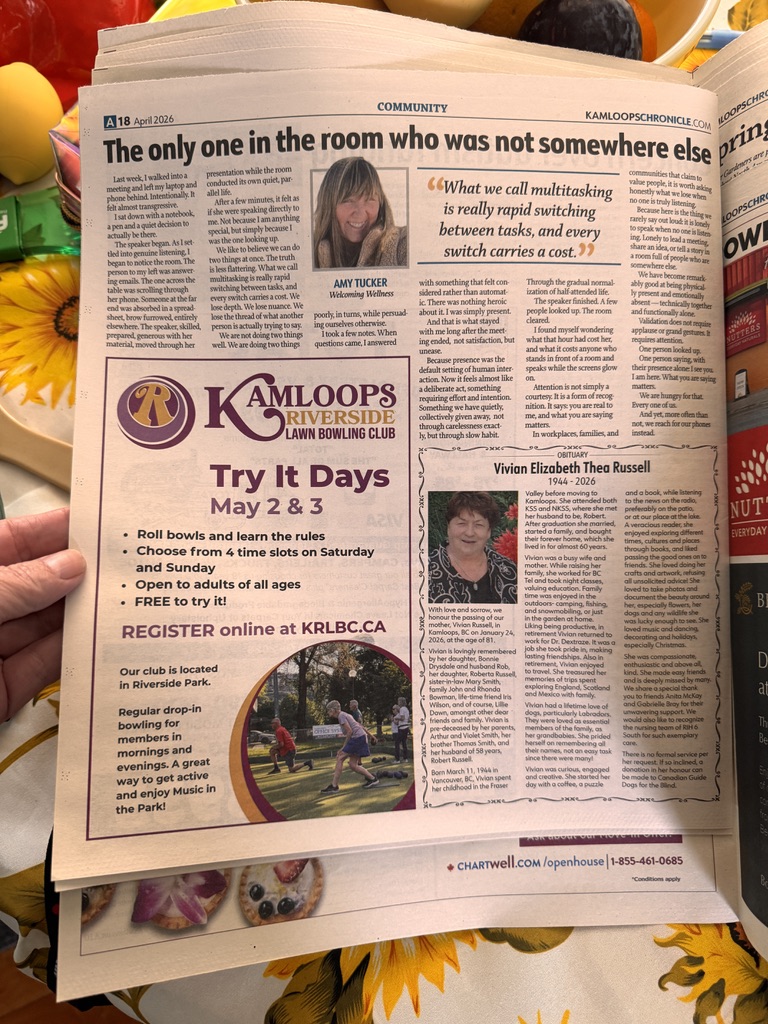
That is the kind of writing I am trying to do now. I write a wellness column for the Kamloops Chronicle. I keep a blog. I share book reviews, reflections, and pieces of my art. Each of these is a small act of showing up in public with something unfinished, and each one asks something slightly different of me. The column reaches readers I will never meet, people pouring a morning coffee or picking up the paper on a Saturday, and I have to trust that something honest said in plain language might find one of them in a moment they needed it. The blog is a different kind of space, more interior, where the work can be messier, and the thinking can take longer to arrive. The book reviews are a chance to place myself in conversation with other writers and say here is what this book opened in me, which is itself a small act of showing my own interior. The art is the quietest of the four, and sometimes the most revealing, because an image can say what a sentence cannot yet articulate.

Title: Welcoming Wellness – Kamloops Chronicle
Photo Credit: Amy Tucker, April 2026

Why I Share From The Middle Of Things

I share these things without having arrived at some wise vantage point from which to teach others. I share them because I am in the middle of my own unfolding, and I have decided, with some reluctance, that I choose to speak now rather than wait for the other side of it. The other side may exist differently than I once imagined, to imagine. I think this is the terrain. I think we are all, in our own ways, walking through something, and the question is when and how to speak, honestly when we do.

Title: Warm Light
Photo Credit: Amy Tucker, April 2026

Why It Is Hard

What makes public healing hard, for me, is that it requires giving up a particular kind of control. I have spent decades curating how I am perceived. I am a careful person. I think about my words before I write them. I consider how something will land before I say it out loud. That is partly professional training and partly something deeper, something about having learned, early, that being understood required effort and that language was how I earned the right to be heard. To write from inside my own unfinished work is to relinquish some of that curation. It is to accept that a reader might meet me mid-sentence, mid-thought, mid-belief, and form an opinion about me based on who I am still becoming. That is uncomfortable. It is also, I am beginning to think, honest in a way that the curated version never quite was.

Title: One Step at a Time
Photo Credit: Amy Tucker, April 2026

Why I Want to Be Careful About What This Is

There is a version of public healing that I want to be careful about, because it differs from what I mean. This is nothing like the kind of sharing that performs rawness as a strategy. This is also nothing like the kind of vulnerability that is actually a request of the reader. There is a great deal of writing online now that looks like healing and is actually something else underneath, and I choose to add nothing to it. What I am describing is quieter than that. It is writing that requires no response. It is writing that asks the reader for neither rescue nor admiration. It is writing that simply places a true thing in the world and then lets the reader decide what to do with it. It is a book review that says, “Here is what this book changed in me,” without pretending the change is complete. It is a column that names something most of us feel but rarely say out loud. It is a piece of art that leaves itself open.

Title: Present Tense
Photo Credit: Amy Tucker, April 2026

Why It Matters

I think public healing, done well, is a form of service, though I hesitate to use that word because it can sound grand. What I mean is smaller. I mean that when one person tells the truth about what they are carrying, other people who are carrying similar things feel less alone. That is all. It carries no grand redemption. It fixes no one. It just removes one small layer of the isolation that tends to grow up around unfinished things, and that removal, multiplied across many readers and many writers and many honest small acts of saying what is true, is how cultures of healing actually get built. Through something other than experts arriving with answers. Through ordinary people, in ordinary voices, saying here is what I am learning, and here is what remains unknown to me.

Title: Unfinished and Perfect
Photo Credit: Amy Tucker, April 2026

Why I Still Feel the Pull Toward Disclaimers

I remain somewhat uncomfortable with this. I notice, as I write, that there is a part of me that wants to stop and add disclaimers. That wants to assure you, the reader, that I have done the proper work, that I have the proper credentials, that this reflection is grounded in the proper literature and will keep you on sound ground. That part of me is the part that still believes my worth must be demonstrated before I am allowed to speak. I am choosing to set her aside today. She may have a point, exactly, but because her instincts belong to an older version of my life, and the writing I am trying to do now asks for a different kind of trust.

Title: First Light
Photo Credit: Amy Tucker, April 2026

Why It Is Actually for Me

What I am coming to understand is that public healing is, at its core, about the self rather than the public. It is about me giving myself permission to exist in the middle of the process. It is about me deciding that my unfinished self is allowed to be seen. Other people may benefit from the writing, and I hope they do, but the first beneficiary is always the writer, because the act of saying a thing out loud, in front of witnesses, changes the thing. It becomes more real. It can no longer be tucked away and forgotten. Once you have written a belief down publicly and named what it cost you, going back to pretending you had no knowledge becomes impossible. The public piece of public healing is, in that sense, less about teaching others and more about refusing to let yourself off the hook.

Title: Still Believing
Photo Credit: Amy Tucker, April 2026

Why the Column, the Blog, the Reviews, the Art

The column does that for me. The blog does that for me. The book reviews do that for me, in a quieter way, because to say honestly what a book has opened in you is to acknowledge that you were mid-process when you picked it up. The art does it most of all. A painting tells only truth. A drawing refuses compromise. Whatever I am when I sit down to make something visual arrives on the page, willing or otherwise, and there have been many times when I have seen something in my own work that I had kept at a distance from feeling. That is what it means to make things and to share them. You end up meeting yourself, in front of witnesses, and the witnesses become part of how you come to know who you are.

Title: Words Made Solid
Photo Credit: Amy Tucker, April 2026

Why I Am Writing Inside Uncertainty

I have yet to discover how this chapter ends. I have yet to discover which of the beliefs I am examining will fully loosen their grip and which will remain with me, quieter but still present, for the rest of my days. I have yet to learn which of the identities I have carried will be set down entirely and which will be revised into something more spacious. I am writing inside uncertainty. That is what public healing is, I think. It is writing inside uncertainty, and trusting that the writing itself is part of the becoming, rather than a report delivered from safer ground, after the fact.

Title: The Colour of Making
Photo Credit: Amy Tucker, April 2026

Why This Is for You Too

If you are reading this and you are in the middle of your own becoming, I want you to know that your unfinished work is welcome here. You are welcome to speak before you arrive. You are allowed to speak before it is figured out. You are allowed to be where you are, and to say so out loud, and to trust that the saying itself is part of how you get to wherever you are going.

That is the work. That is all it has ever been.
Title: Desert Fire
Photo Credit: Amy Tucker, April 2026

Artist Statement

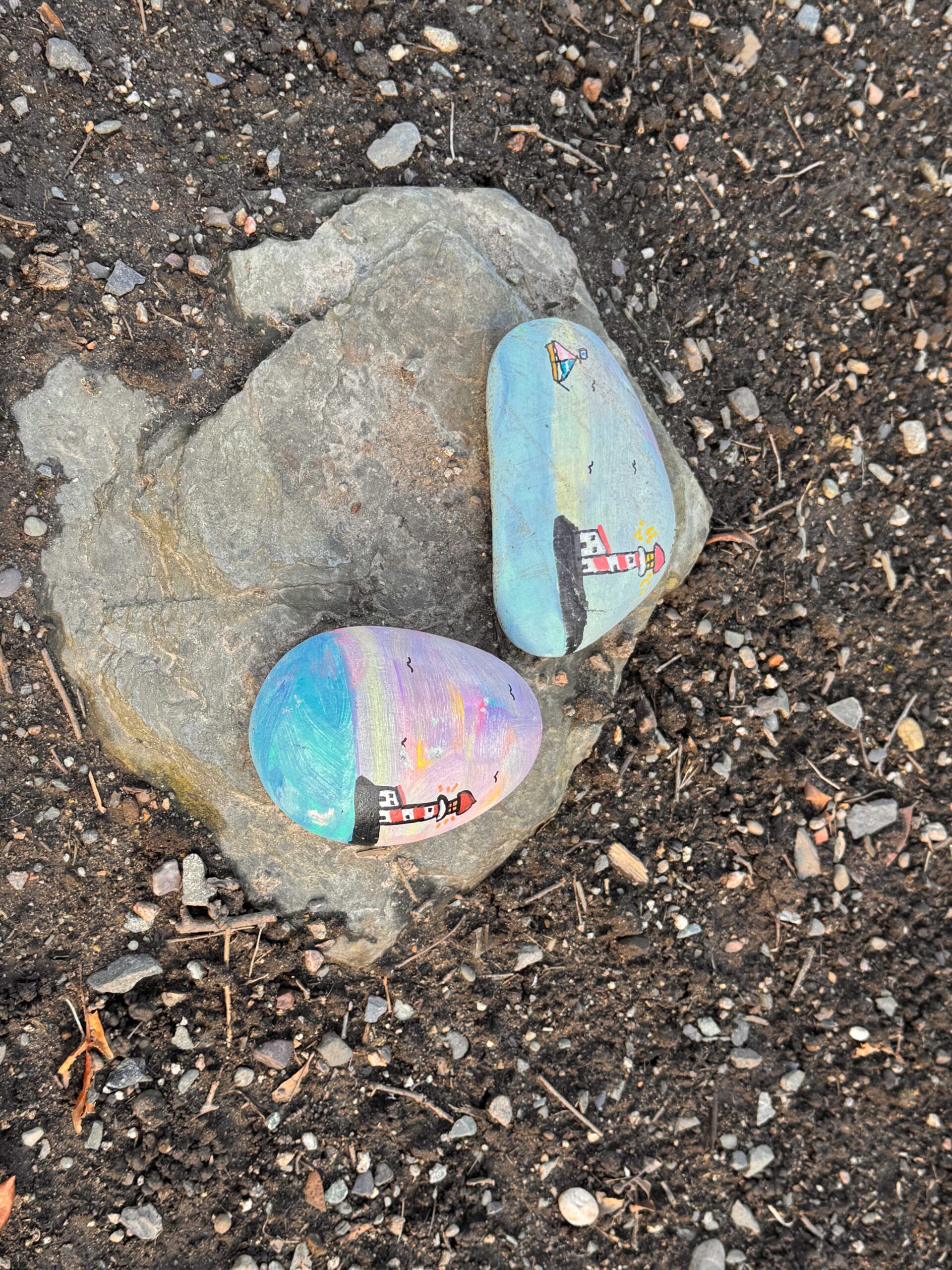
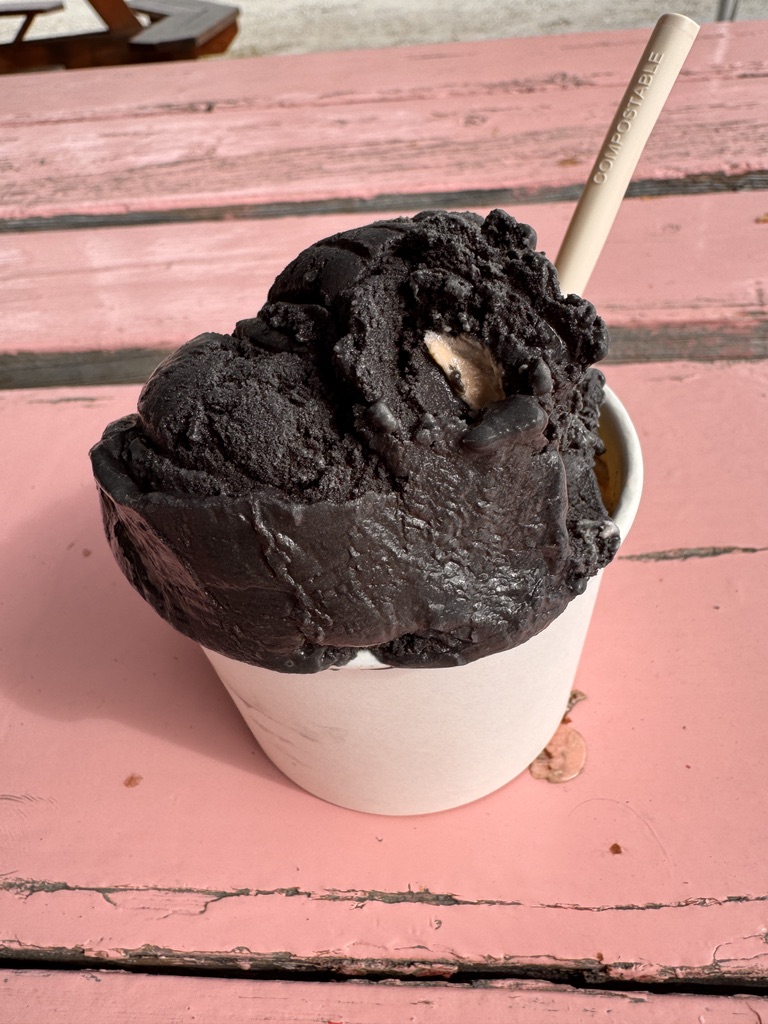
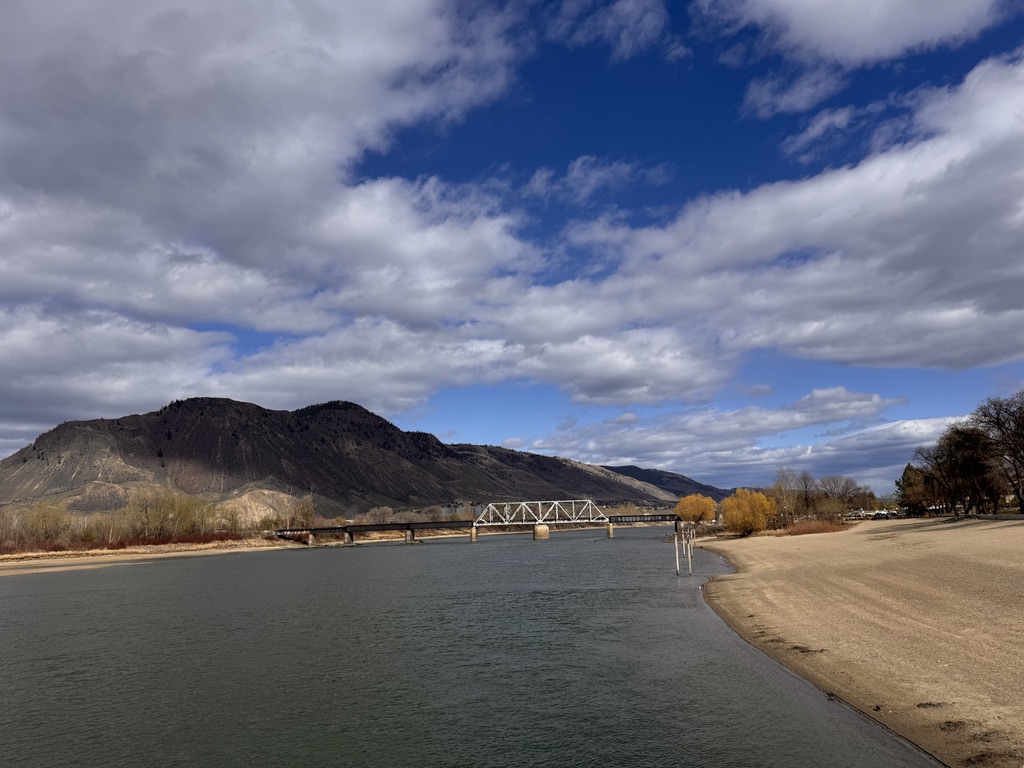
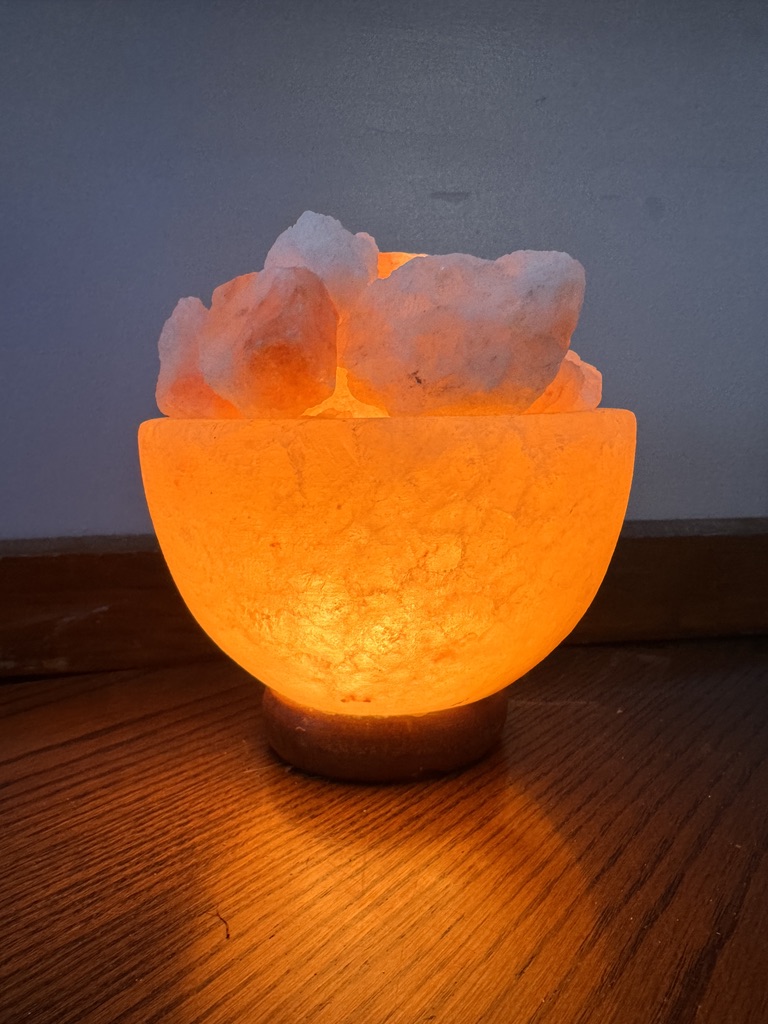
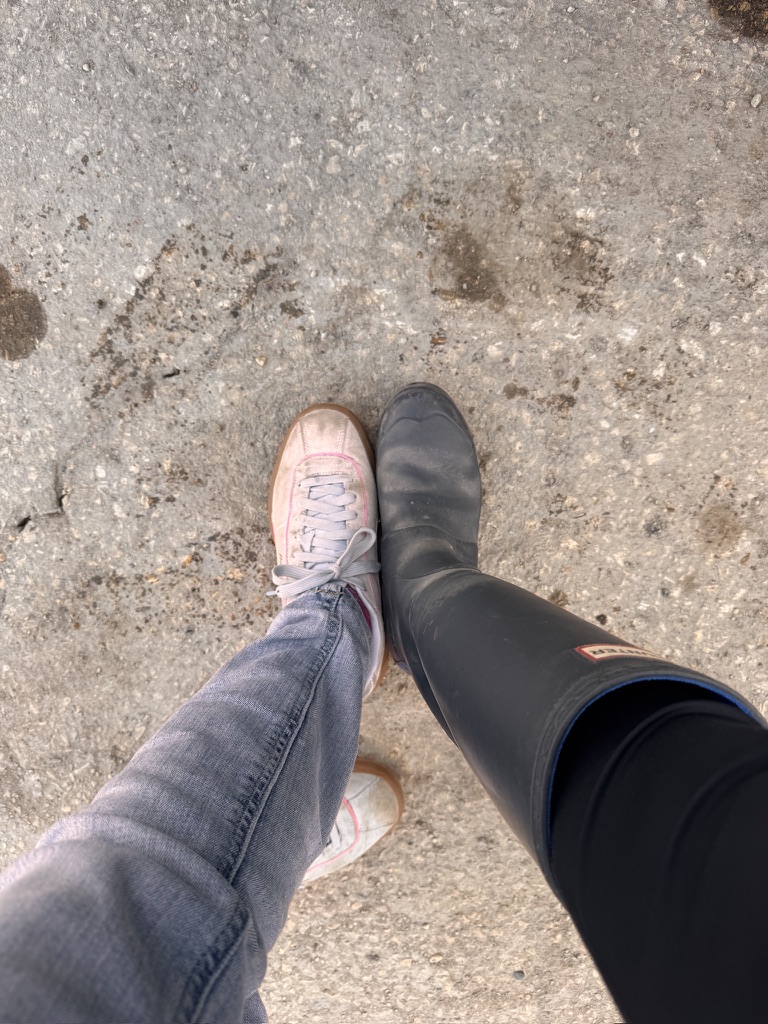
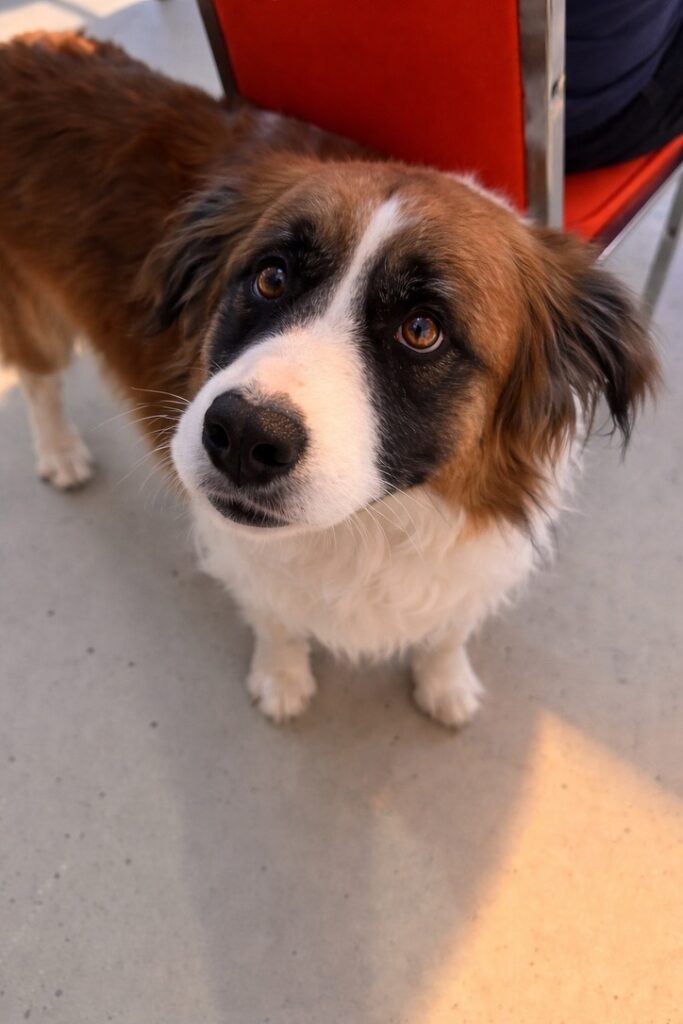
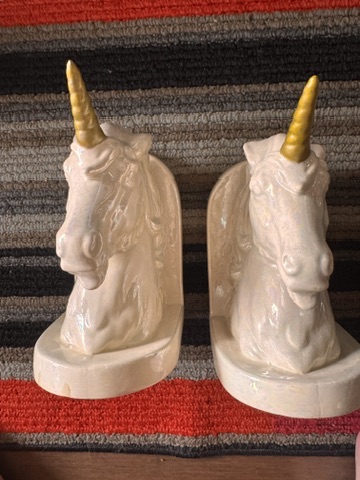
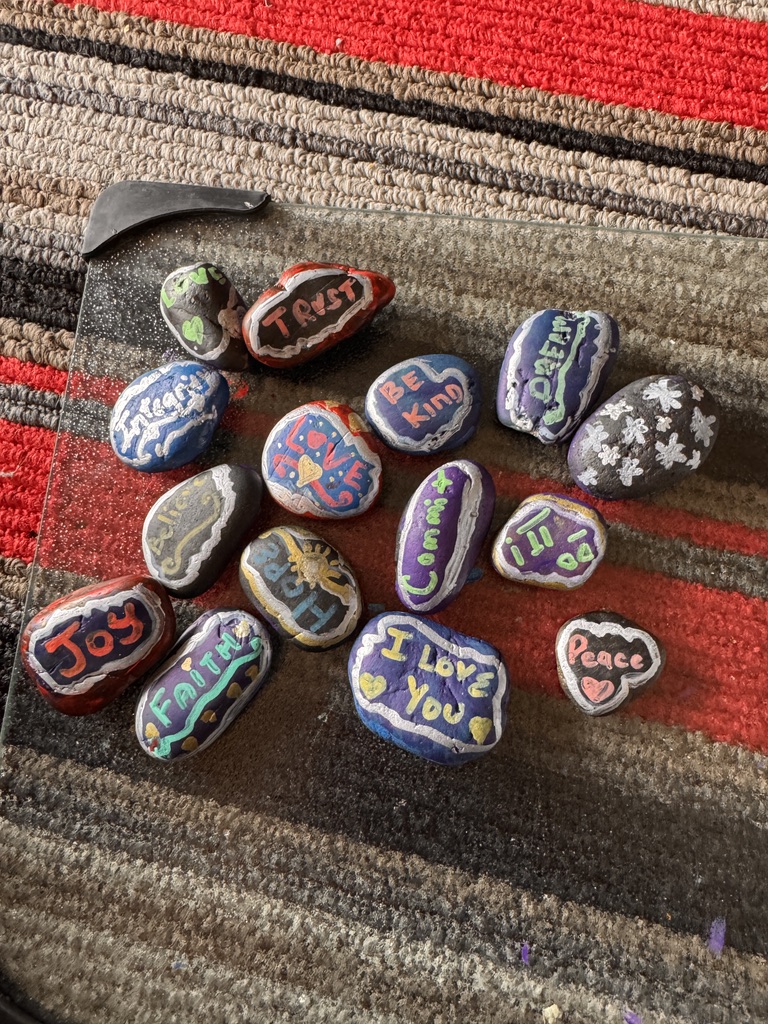
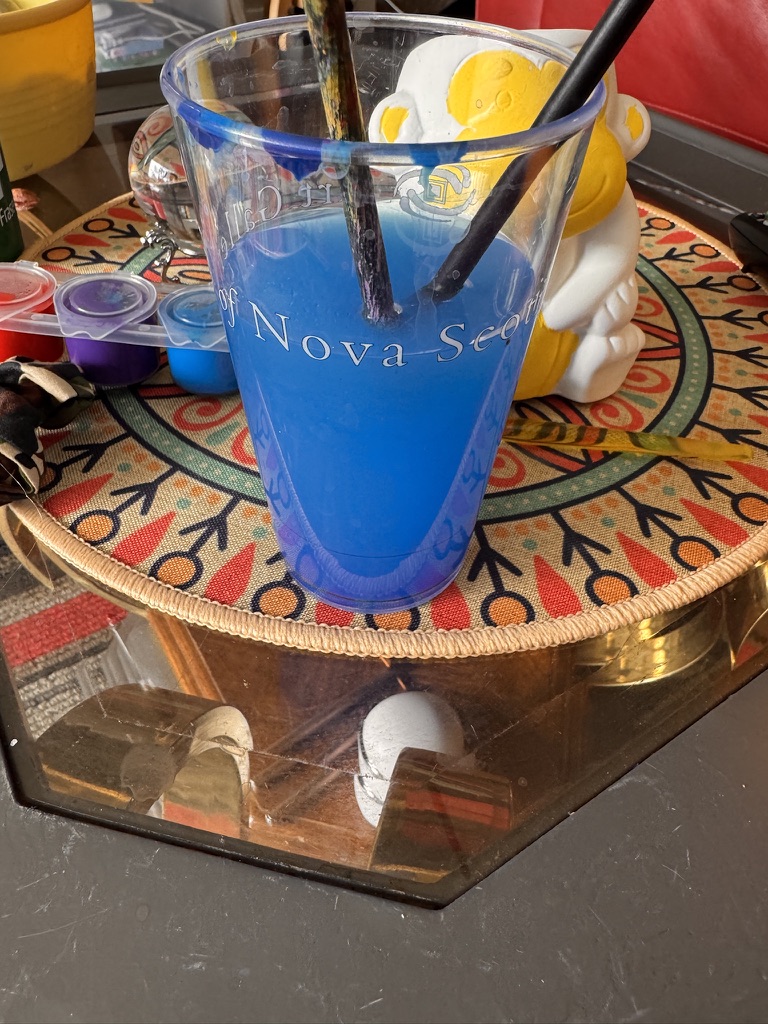
These works were made in the middle of things, mid-process, before everything settled, but inside the unfolding. Each piece carries the marks of where I actually was when I made it: the desert painting, with its blazing sky and reaching cacti, is about endurance and the beauty of surviving heat. The painted rocks are small acts of faith placed in the world, each word chosen because it was something I needed to hold. The unicorn figurines were rescued and repainted partially, because they were beyond full restoration, but their horns were worth saving, a reminder that the beliefs of childhood can be refined rather than abandoned. The photographs are witness pieces: a river I walked beside, a dog that looked up at me with complete presence, a pair of mismatched shoes I wore without realizing what they said about the day I was having. The salt lamp, the blue paint water, the newspaper page - these are the textures of a life that makes things while also living other things. I work at the kitchen table rather than in a studio or in my living room, between the sentences of other writing. These pieces are what happen when you allow yourself to make without waiting for the right conditions. They are the art of the unfinished person, which is the only kind I know how to be.

I Was Always Good Enough. I Just Never Belonged.

Reading Time: 5 minutesThat is the hardest kind of knowing.

Not the not-knowing, not the wondering, not the long nights asking yourself if maybe they were right, maybe there was something missing, maybe if you tried harder, became more, gave everything one more time.

That kind of not-knowing is painful but it has somewhere to go. It has a project. It has another application, another credential, another bar to reach for.

But this knowing.

This quiet, cellular, unshakeable knowing that you were good enough, that you were always good enough, that good enough was never actually the question,

this has nowhere to go.

It just sits with you. It sits with you at the table and watches you eat. It sits with you in the classroom where you are brilliant, where you are exactly, precisely, quietly brilliant, and no one is taking notes on what that costs you to keep offering.

It sits with you and it says,

you already know.

Belonging is a different thing than being good enough.

I had to learn that the hard way, the way you learn things that the body has to teach because the mind keeps finding reasons not to believe them.

I kept thinking that if I reached the standard, belonging would follow.

That competence was a key. That excellence was a door.

I did not understand that some doors are not locked from the outside.

They are simply not doors for you.

Not because of what you lack. Because of what you are.

Because belonging is not earned. It is either extended or it is withheld, and the withholding can be so gracious, so warm, so full of genuine appreciation for everything you contribute,

that it takes you years to name it.

I belonged in the classrooms.

That I know. That I have always known.

I belonged in the moment a student’s face changed, the moment the confusion lifted and something settled in them, some new way of seeing that they would carry forward into a life I would never see.

I belonged in that. I was made for that.

That belonging was real and no one can take it from me, not the committees, not the careful language, not the national searches that somehow always ended somewhere other than me.

But belonging in the institution, belonging in the structure, belonging in the place where your name is permanent, where your labour is protected, where you are not renewed or not renewed like a magazine subscription,

that belonging was never offered.

And I spent nineteen years trying to make myself into someone it would be offered to,

without ever understanding that the offer was never about me.

It was about them. It was always about them. What they needed. What made them comfortable. What fit the picture they had already decided to hang on the wall.

I was good enough. I was more than good enough. I was exceptional in the ways that actually matter, in the ways that change people, in the ways that send students back years later to say I have been thinking about what you said.

I just did not fit the frame.

And here is the grief of that.

The grief that has no clean edges.

The grief that is not about failure because there was no failure, the grief that is not about inadequacy because there was no inadequacy, the grief that lives in the gap between being good and being claimed,

between being valued and being wanted,

between being used and being belonged to.

I was always the one who gave everything.

I was rarely the one they built anything around.

That distinction is a quiet devastation.

It does not announce itself. It accumulates. It is the slow sediment of years of being appreciated but not anchored, celebrated but not secured, needed but not chosen.

They needed me. They just did not choose me.

And I kept hoping that need would become choice, that usefulness would become love, that one morning I would walk in and the room would feel different, would feel like mine, would feel like somewhere my full self was not only welcome but waited for.

It never felt like that.

Not once in nineteen years did it feel like that.

And I kept showing up anyway, because the students were real, because the work was real, because my love for the classroom was real and sturdy and mine, and I was not willing to let the institution’s failure become my abandonment of them.

So I stayed.

And I carried the not-belonging the way you carry something heavy for so long that you forget you are carrying it, forget that your back hurts, forget that you set it down once for a whole summer and felt what it was like to stand up straight.

I carried it into every meeting. Into every application. Into every performance review where they told me I was wonderful and gave me nothing that wonderful deserves.

I carried it home. I carried it into my rest, which was not really rest, which was the place where the weight just became more visible without the distraction of the work.

But I want to say something about the knowing.

The painful knowing, the always knowing, the knowing that never let me off the hook of my own truth.

It is also a gift.

I know that is hard to hear. I know it does not make the grief smaller or the injustice cleaner or the nineteen years feel properly accounted for.

But the knowing means I never disappeared.

I never fully believed the story they were quietly telling about me, the story that said not quite, not enough, not right.

Something in me always knew better.

Some deep, stubborn, luminous part of me held the actual record, the real account of what happened in those classrooms, what I gave, who I was, how carefully and lovingly I did the work they were not even fully watching.

I kept my own record.

And my record says I was extraordinary.

My record says I belonged to the students even when the institution would not claim me.

My record says I walked into rooms that were not designed for me and I made them briefly, beautifully, mine.

I did not belong there.

I have said it now. I have let it be true without making it mean something is wrong with me.

I did not belong there.

And somewhere, there is a place that is already shaped like the person I actually am, a room with no raised bar, no moving target, no warm smile over a closing door.

A room that will look at the lantern and say

oh, we have been waiting for that light.

I have to believe that room exists.

I have to believe it the way I believe in the students who came back, the way I believe in the work that mattered, the way I believe in my own goodness on the days the grief is loudest.

I was always good enough.

I just never belonged there.

And that is their loss, written in nineteen years of what they almost had,

and my life, written in every student who walked out changed.

Aquí estoy. Siempre fui suficiente. Simplemente nunca fue mi lugar.

Here I am. I was always enough. It simply was never my place.

Spanish translations assisted by Google Translate (translate.google.com)