Content Warning: This series contains discussion of childhood exposure to parental alcoholism and domestic violence, as well as exploration of ongoing healing processes. While absent of graphic detail, the material addresses trauma, hypervigilance, and the challenges of learning to rest that some readers may find distressing.
How Fear Becomes Structure
Image: The Architecture of Vigilance
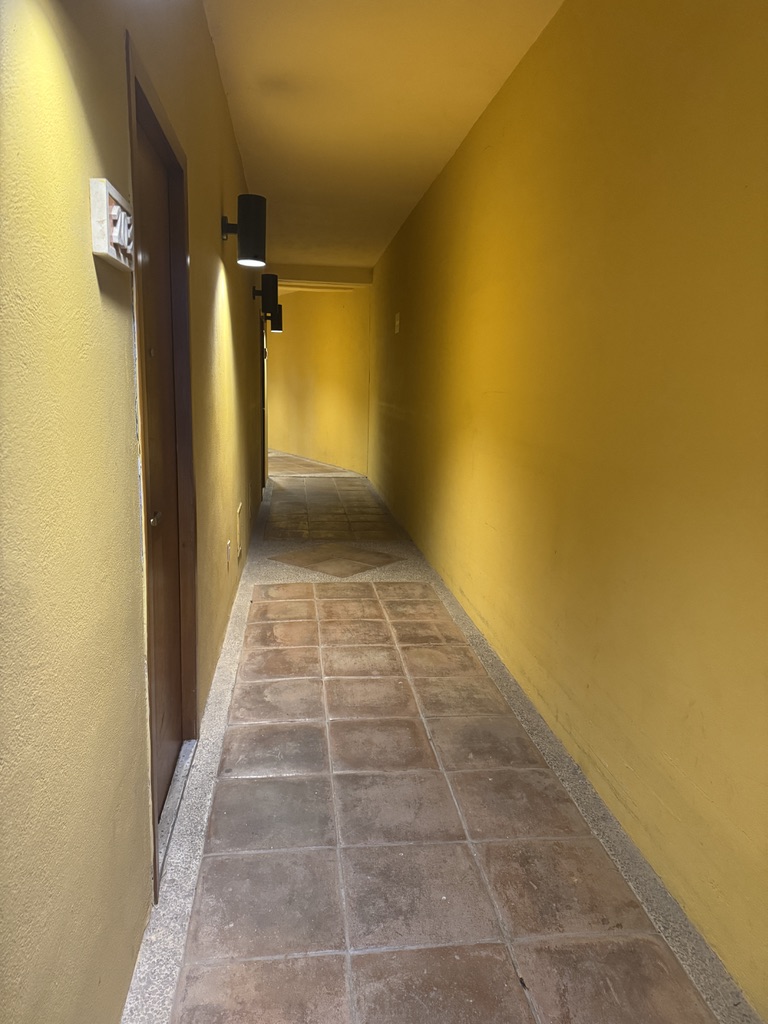
Photo Credit: Amy Tucker, 2026
Note. Threat became structure; vigilance became design.
The house where I learned hypervigilance no longer exists. My father has been dead for decades. My sisters are safe adults, living their own lives thousands of miles from that childhood home. The original threat has ended.
But my body held no record of this information.
van der Kolk (2014) describes how trauma reorganises the brain’s alarm system to interpret the world as a fundamentally unsafe place. For those of us who grew up in chronically threatening environments, this reorganization happens during the years when the nervous system itself is still forming. Durante los años de formación. During the formative years. The architecture has no foundation built on top; the threat becomes the foundation itself.
“The architecture has no foundation built on top; the threat becomes the foundation itself.”
The ball in my stomach, that tight readiness I described in Part 2, still activates five decades later. Never always. Never constantly. But predictably, under conditions that my conscious mind fails to always recognise as threatening.
I notice it most in restaurants.
Before I can focus on the menu, before I can settle into conversation, I need to map the space. Where are the exits? Who is seated near us? Can I see the entrance from where I am? If I cannot see who is coming through the door before they arrive, my shoulders rise toward my ears. My breath becomes shallow. Some ancient part of me needs to know who is approaching before they reach our table.
“Some ancient part of me needs to know who is approaching before they reach our table.”
This is what Porges (2011) calls neuroception, the automatic, unconscious detection of safety or danger in the environment. My nervous system, calibrated during childhood to constant threat, remains hypertuned to detect dangers that no longer exist. It scans for the heavy footsteps, the sound that meant violence was coming. It looks for the micro-expressions that once told me whether this evening would be safe.
“My nervous system, calibrated during childhood to constant threat, remains hypertuned to detect dangers that no longer exist.”
I do this in meetings. In classrooms, when I taught. At social gatherings. My eyesare constantly moving, constantly assessing, constantly ready.
Image: Mapping the Room
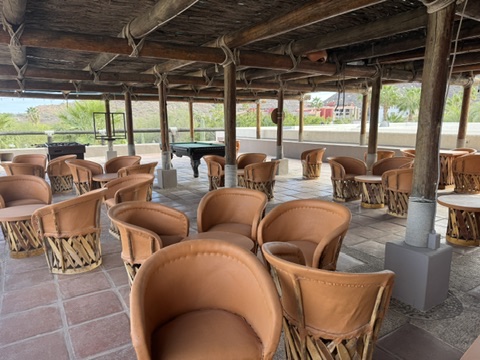
Photo Credit: Amy Tucker, 2026
Note. The nervous system scans for exits long after danger ends.
van der Kolk (2014) describes how traumatised individuals spend tremendous energy suppressing inner chaos, often becoming so skilled at ignoring their physical sensations that they fail to recognise when they are actually safe. This describes my adult life with painful accuracy. I became extraordinarily skilled at appearing calm while my nervous system churned with activation. I was performing competence while my body signalled danger.
“I was performing competence while my body signalled danger.”
At functioning while afraid.
When Survival Skills Become Professional Assets
“At functioning while afraid.”
Image: Productive Vigilance
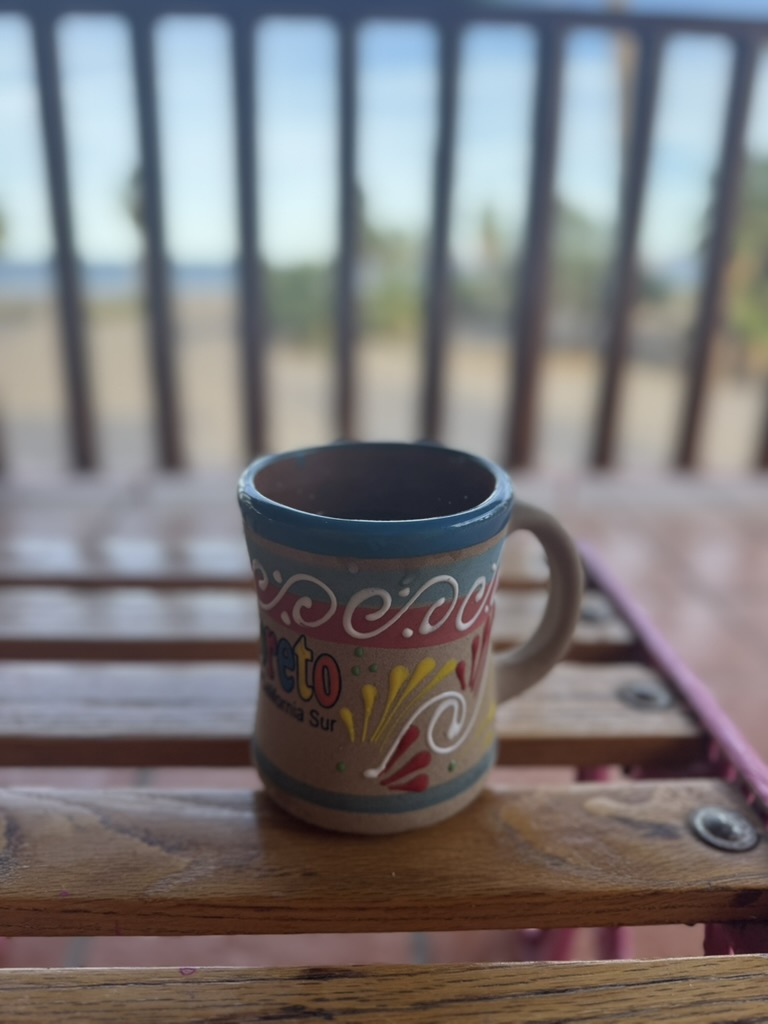
Photo Credit: Amy Tucker, 2026
Notation: Survival strategies translated into institutional competence.
“But they also made me exploitable.”
There is a particular irony, una ironía amarga, a bitter irony, in how childhood hypervigilance prepared me for academic labour.
The constant monitoring of authority figures’ moods. The ability to detect subtle shifts in power dynamics. The skill at making myself useful while remaining invisible. These survival strategies translated seamlessly into navigating precarious academic employment.
I excelled at reading what was wanted before it was articulated. Anticipating needs. Managing up. At making myself indispensable while taking up minimal space. At absorbing emotional labour without complaint. At knowing when to speak and when silence would serve me better.
These abilities made me valuable in academic settings, particularly in administrative roles where the dynamics of reading rooms mattered. Where sensing institutional politics before they became explicit could prevent disasters.
But they also made me exploitable.
I lacked the capacity to say no. I lacked the ability to recognise when I was being asked to carry more than my share, nor could I distinguish between genuine professional responsibility and the compulsive caretaking that emerged from trauma. No podía distinguir. I was unable to distinguish.
When I was finally terminated from my faculty position after years of contract renewals, the loss activated every childhood fear. The ball in my stomach returned with an intensity I had gone decades without feeling. The hypervigilance that had kept me employed, that had made me useful, valuable, necessary, had also blinded me to the disposability of my position.
I had survived by being needed. When I was no longer needed, some part of me held no certainty of surviving.
“I had survived by being needed.”
Why Safety Feels Like Danger
This is what I am trying to understand during these thirty days in Loreto: why solitude, which should feel safe, instead triggers all my oldest survival responses.
The research literature is clear about loneliness, the unwanted, painful experience of isolation. But there is remarkably little scholarly attention to chosen solitude. To what I am calling alonetude: intentional, embodied, meaning-rich engagement with being alone.
Long and Averill (2003) distinguish between different types of solitude, noting that positive solitude involves freedom from social demands and provides opportunities for self-discovery and restoration. But they acknowledge that whether solitude feels restorative or threatening depends significantly on attachment history and prior trauma.
For those of us with hypervigilance rooted in childhood trauma, solitude activates specific fears that I am only now beginning to name.
When there are no others to monitor, where does the vigilance go?
Image: Solitude as Surveillance
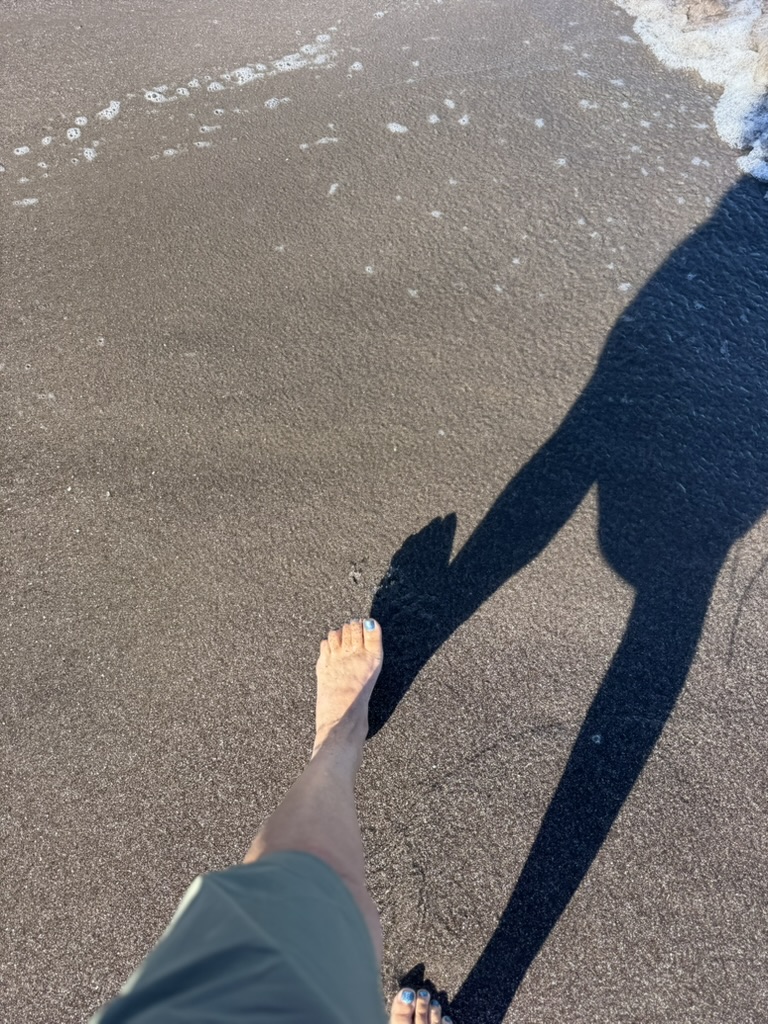
Photo Credit: Amy Tucker, 2026
Note. When external threats vanish, vigilance turns inward.
My nervous system, calibrated to constant external scanning, turns inward when external threats are absent. I become hyperaware of bodily sensations, interpreting normal physiological processes as signals of danger. My heart rate increases slightly during my morning run, and I fear cardiac problems. I feel fatigue, and I fear illness.
Without external threats to track, I track myself with the same relentless attention I once used to monitor my father’s moods.
Rest feels like abandoning my post.
As I wrote in Part 1, parentified children learn that constant vigilance is required as much for the protection of others as for the self. Even though my sisters are safe adults and no one currently depends on my vigilance, some part of me believes that letting my guard down means someone will be harmed.
Solitude removes the immediate object of protection. But it leaves the compulsion to protect fully intact.
My own body feels like unsafe territory.
van der Kolk (2014) describes how trauma fundamentally reorganises the relationship between body and mind, making the body feel like a source of danger rather than safety. For years, I managed this through constant activity. Through staying busy enough that I could avoid feeling what my body carried.
Solitude removes that buffer.
The Long Echo· Post
It demands that I be present to myself. And myself includes all the unprocessed fear still stored in my tissues, still activating when I sit too still for too long, still insisting that rest invites disaster.
Image: Alonetude
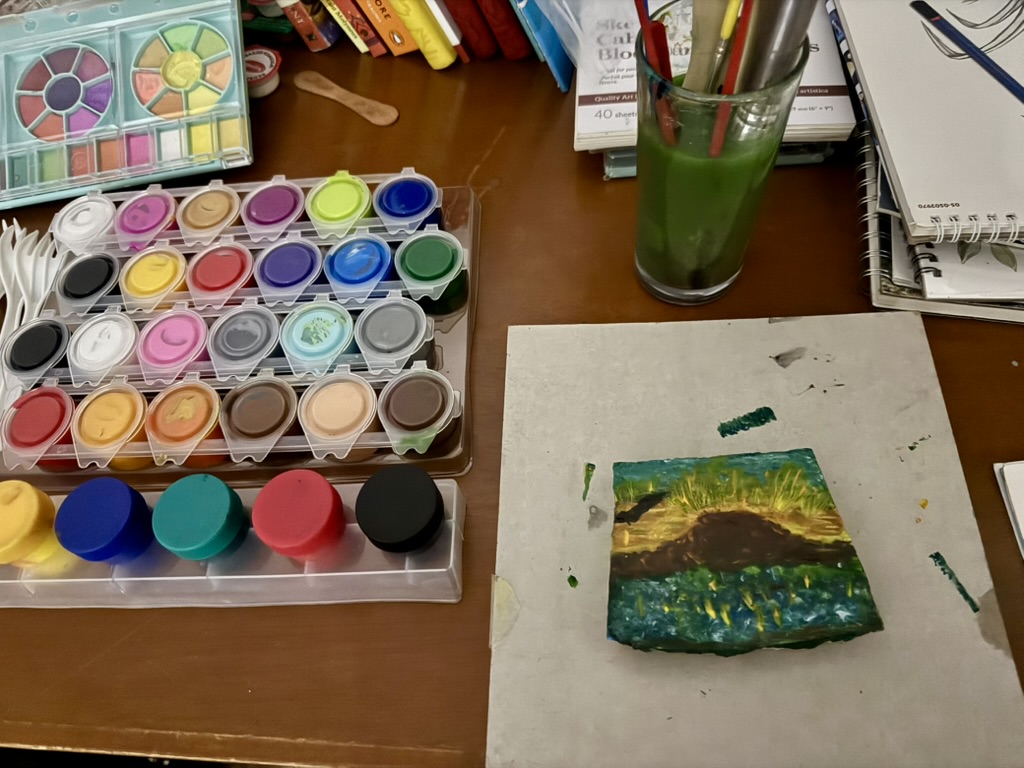
Photo Credit: Amy Tucker, 2026
Note. Finding a place in rock painting.
Intentionality as the Intervention
This is where alonetude diverges from both loneliness and passive solitude.
“It is something beyond something happening to me.
It is something I am choosing.”
It is something I am choosing rather than something simply happening to me. Estoy eligiendo esto. I am choosing this. Deliberately. With full awareness of the difficulty.
Alonetude, as I am theorising it, is intentional, embodied solitude undertaken with explicit healing purpose. It differs from loneliness (which is unwanted), from social isolation (which is often imposed), and from passive solitude (being alone without deliberate engagement).
The critical distinction is agency.
I am here beyond being rejected or abandoned. I am here beyond lacking social skills or opportunities for connection. I am here through active choosing rather than passive acceptance.
I am choosing this. Choosing to spend thirty days primarily alone. Choosing to face what arises when I cannot distract myself with work, with caregiving, with the constant activity that has kept me from fully inhabiting my body and my history.
Kabat-Zinn (1990) describes mindfulness as intentional, non-judgmental attention to the present moment. Alonetude applies this same quality of attention to the experience of being alone.
It is about something far beyond achieving some idealised state of peaceful solitude. It is about bringing full, compassionate awareness to whatever arises, including fear, hypervigilance, and resistance to rest.
Small Victories in Recalibration
Image: Touching the Foundation
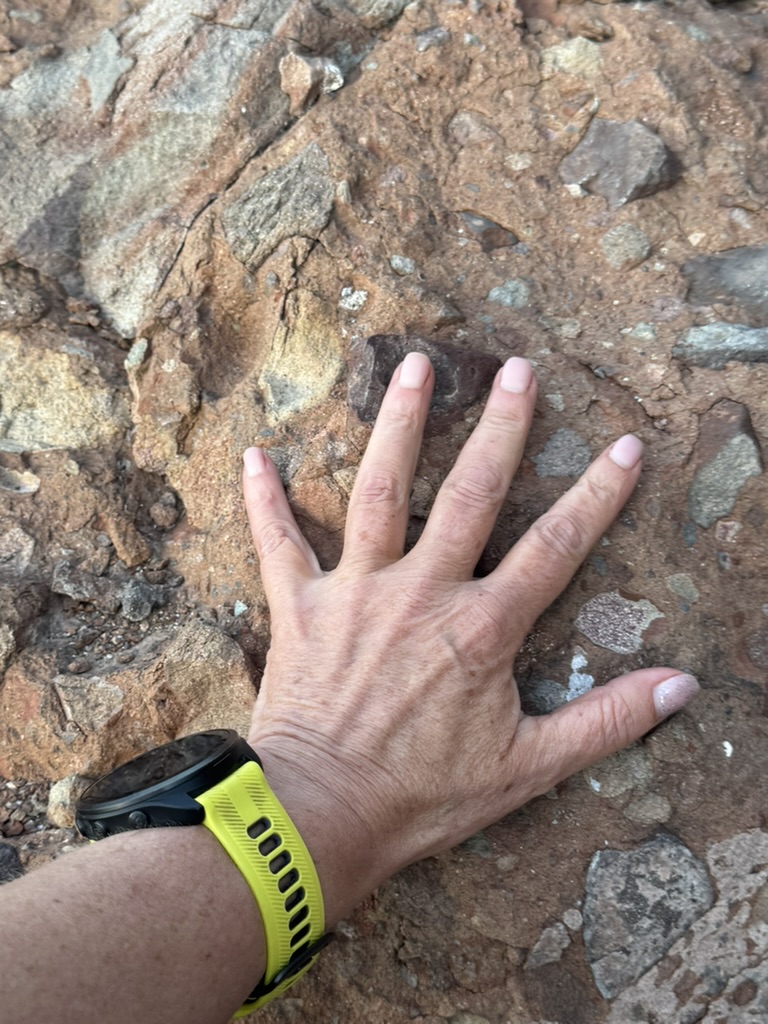
Photo Credit: Amy Tucker, 2026
Note. The body returns to stone, tracing what held it when nothing else did.
I want to be honest about what healing looks like from inside the process.
“There is no dramatic before-and-after.”
It bears little resemblance to the transformation narratives that saturate popular culture. There is no dramatic before-and-after. No breakthrough moment. No complete resolution.
van der Kolk (2014) makes clear that trauma is both an event from the past and an ongoing imprint on mind, brain, and body. This imprint resists simple erasure. It can be worked with, integrated, and metabolised. But it resists disappearing.
What shifts is my relationship to the imprint.
My capacity to recognise when my nervous system is responding to past threats rather than present ones. My ability to compassionately witness the activation without being completely overtaken by it.
My aim is to work with the hypervigilance rather than eliminate it. I am learning to create space for other responses to coexist alongside it.
The Practice Looks Like This
Morning beach walks, where I notice when my scanning becomes hypervigilant versus when I am simply observing. When I catch myself scanning for threats, I meet it without judgment. I acknowledge: This is my nervous system doing what it learned to do. This kept me safe once.
Image: Morning Beach Walks
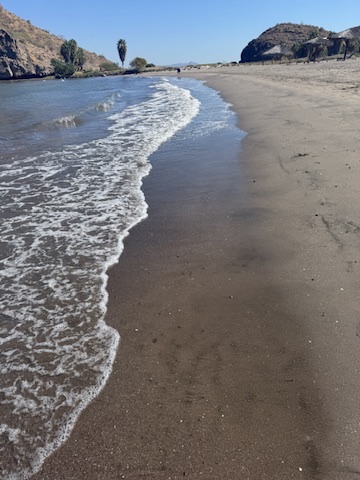
Photo Credit: Amy Tucker, 2026
Notation: Morning beach walks allow me to rest.
Then I gently redirect attention to what is actually present. Pelicans gliding. Waves breaking. The texture of sand underfoot.
Longer runs where I allow my sympathetic nervous system to activate through movement rather than through fear. This is the paradox: I need to learn that activation itself is safe. That my heart rate can increase without signaling threat. That I can mobilise my body through choice rather than terror.
Stillness practices where I sit with the discomfort of simply being, releasing production, releasing usefulness to anyone. These are the hardest. My body wants to move, to busy itself, to find some task that justifies existence.
Image: Rest
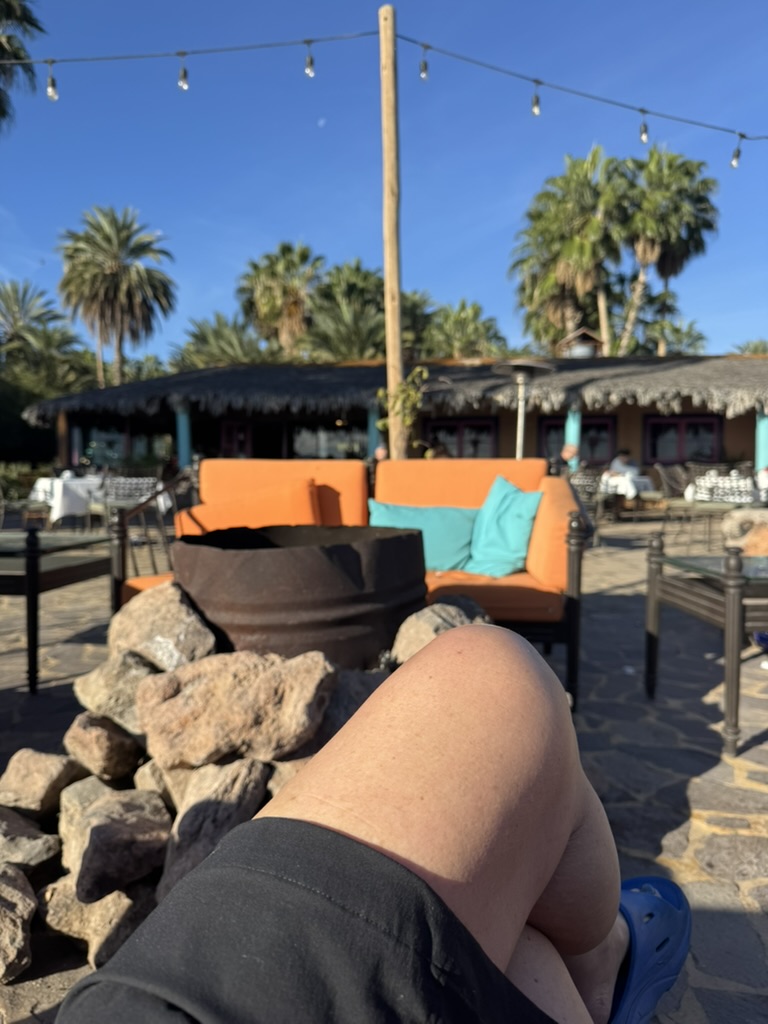
Photo Credit: Amy Tucker, 2026
Note. Learning how to rest.
Learning to simply be, estar, rather than hacer, challenges everything my childhood taught me about worth through utility.
Creative practices like photographing shells, driftwood, and the way light moves across water. These engage moments of absorption where self-consciousness and hypervigilance temporarily quiet (Csikszentmihalyi, 1990). In these moments, my attention narrows through interest rather than fear.
This is a different quality of focus entirely.
The Parts That Protected Me Still Protect
I need to name something crucial: the parts of me that remain hypervigilant are protective parts beyond fixing.
They are protective parts that kept me alive.
Fisher (2017) describes how trauma survivors can learn to recognise their survival responses as distinct parts of the self, strategies that emerged to handle different aspects of overwhelming experience. The Internal Family Systems approach suggests that what we often pathologise as symptoms are actually protective parts trying to keep us safe using the best strategies they developed during the trauma.
The part of me that scans restaurants for exits is entirely rational. It is a guardian. It remembers when knowing the exits mattered for survival. It has yet to fully trust that I am safe now.
Image: The Guardians
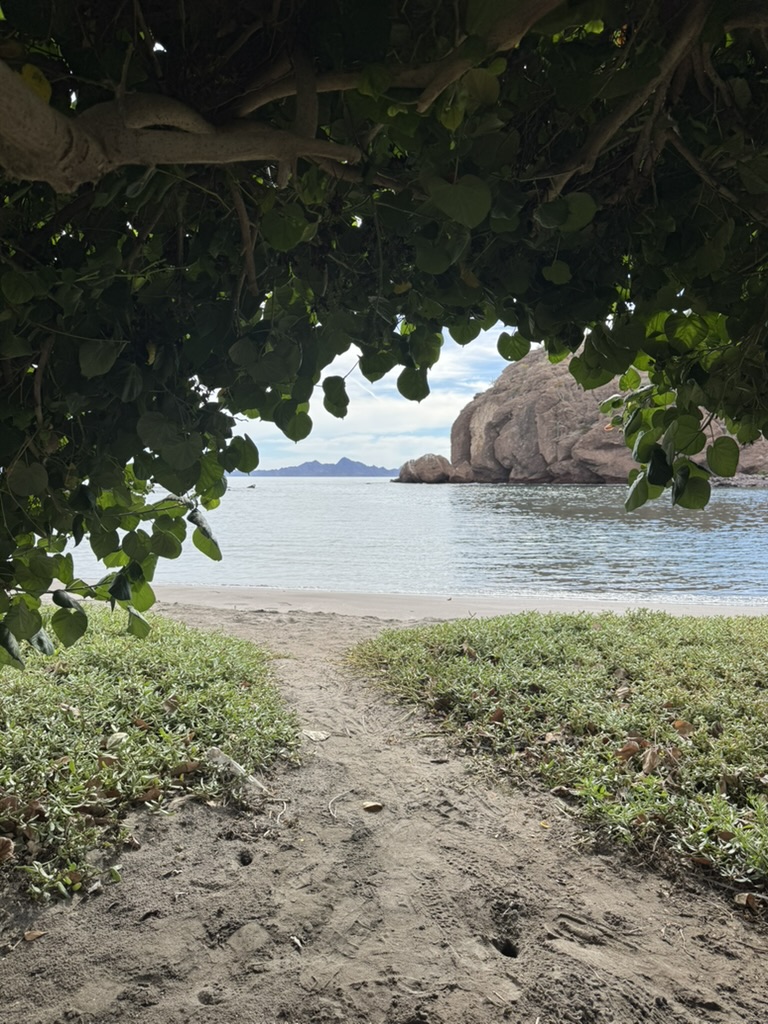
Photo Credit: Amy Tucker, 2026
Note. Protective parts remain, even as new responses emerge.
And perhaps it never will entirely.
But I can appreciate its vigilance even as I gently work to expand my window of tolerance for feeling safe.
The part that makes me want to check on my sisters, even though they are grown women living their own lives, this is something beyond codependent pathology. This is the part that kept them safer than they otherwise would have been when we were children.
Les mantuvo más seguras. It kept them safer.
I can honour what it did while also recognising that the situation has changed. That they no longer need my hypervigilance. That I am permitted to rest from this particular guard duty.
This reframing matters profoundly.
For years, I approached healing as if I needed to eradicate the hypervigilance, to eliminate the freeze response, to become someone who naturally feels safe in the world. But this framing positioned my survival strategies as enemies to be defeated.
What I am learning instead is to approach these parts with gratitude and compassion while also creating space for new responses to emerge.
Who Gets to Choose Solitude
I cannot write about alonetude as a healing practice without acknowledging the profound privilege embedded in this project.
I can rent a casita in Loreto for thirty days. I can take time away from employment because I no longer have employment to take time from, which is both a loss and an unexpected opening. I am white, educated, a cisgender woman with Canadian citizenship and mobility rights. I am without dependent children or elders requiring my care.
The very concept of choosing solitude for healing purposes assumes a baseline of material security and social support that vast numbers of people are without.
hooks (2000) reminds us that contemplative practice has historically been the province of those with sufficient privilege to withdraw from the demands of survival labour. This matters for my analysis. I am arguing something beyond the claim that alonetude represents a universal solution to trauma healing.
I am examining what becomes possible when someone with my particular history gains temporary access to conditions that support deep rest and intentional solitude.
The economic precarity of academic labour, the contract renewals, the contingent employment, and the constant uncertainty itself constitute a form of structural trauma that compounds childhood trauma. My termination activated childhood fears precisely because both experiences involved powerlessness, expendability, and the message that my value was provisional.
But losing that employment also freed resources. Beyond financial resources. Temporal and psychological ones. I no longer carry the cognitive load of constantly managing precarious employment. I no longer perform the emotional labour of remaining pleasant and productive despite chronic uncertainty.
This created space for this retreat that would have remained beyond reach had I remained employed.
I name this to resist romanticising job loss, rather to acknowledge the complex relationship between structural conditions and individual healing possibilities. The alonetude I am practicing here is both enabled by and in tension with systems of privilege and precarity.
I am here to heal.
The Difference Between Withdrawal and Return
There is a crucial distinction between using solitude to avoid relationships and using solitude to develop the capacity for relationships.
The first is escape. The second is preparation.
I came to Loreto out of something other than hatred of people or fear of connection. I am here because my nervous system needs sustained exposure to safety in order to recalibrate. Because I need to practice being with myself before I can be fully present with others.
Because the hypervigilance that protected me in childhood now interferes with the intimate relationships I want in adulthood.
Winnicott (1958) describes the capacity to be alone as a developmental achievement that paradoxically requires the internalization of a reliable other. The child must first experience being alone in the presence of someone trustworthy before they can be comfortably alone in physical solitude.
For those of us who never had that reliable presence in childhood, we must somehow learn this capacity in adulthood, often without the scaffolding that childhood should have provided.
This is what the thirty days offer: a laboratory for learning to be reliably present to myself. To notice when fear arises and to meet it with compassion rather than judgment. To recognise when my body signals danger and to gently offer evidence of current safety.
To practice rest without the constant inner voice insisting I should be doing something productive.
But this represents a temporary retreat, with permanent withdrawal being the furthest thing from the intention.
The aim reaches beyond living forever in solitary retreat but to develop the internal resources that allow me to engage with others from a place of genuine presence rather than compulsive vigilance.
Kornfield (2000) describes contemplative practice as preparation for engagement rather than escape from it. The goal lies in returning to everyday life rather than becoming enlightened in isolation with transformed presence.
Similarly, the goal of alonetude is the development of internal safety rather than permanent solitude that allows for authentic connection.
Recognising the Incremental
Image: Incremental Safety
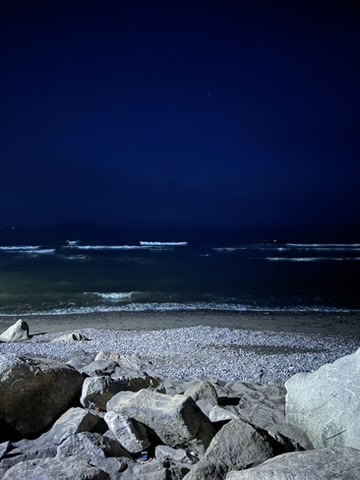
Photo Credit: Amy Tucker, 2026
Note. Finding peace in the night sea.
It is Day 20 of my retreat.
I thought victory would mean no longer startling at sudden sounds. That it would mean sleeping through the night without vigilance. That my shoulders would remain relaxed, my jaw unclenched, my stomach soft.
I thought healing would mean the hypervigilance would leave.
What I am learning instead is that victory looks like this:
Yesterday morning, I woke at dawn and lay still for ten full minutes before my body insisted I get up and do something productive. Ten minutes of simply being. Of breathing. Of existing without purpose.
This may sound small.
It is vast.
It is revolutionary for a nervous system that learned rest equals danger.
Victory looks like recognising when the ball in my stomach clenches and being able to say to myself, This is old fear. This is my body remembering. I am safe now. Even when my body remains uncertain, I can hold the truth alongside the fear.
Victory looks like going to the beach and allowing myself to simply sit and watch the pelicans without bringing my camera, without documenting, without turning the experience into something useful.
Estar sin hacer. Being without doing.
These transformations are incremental rather than dramatic. They are incremental shifts. Moments when my nervous system practices something new. Brief windows when rest feels possible rather than dangerous.
What My Body Now Knows
After twenty days of sustained alonetude practice, here are the shifts I notice:
My breath sometimes deepens on its own. This happens beyond the reach of my attention, when I am absorbed in watching light change on water or in the intricate architecture of a shell. The diaphragmatic breathing that signals safety to the nervous system arrives without my effort.
The space between stimulus and response occasionally widens. When I hear a sudden sound, there is sometimes, beyond always, a fraction of a second where I notice my body’s response before it overtakes me entirely. In that space, I can choose.
Rest feels possible in small doses. Beyond hours. Beyond days. But for minutes at a time, I can simply be without the voice insisting I should be working, should be useful, should be justifying my existence through productivity.
I can sometimes distinguish between different kinds of alone. Loneliness, the painful sense of unwanted isolation, still visits. But it is far from constant. There are increasing moments when solitude feels neutral or even nourishing rather than threatening. When being alone with myself feels like coming home rather than abandonment.
These are the victories.
Beyond dramatic. Beyond complete. But real.
Son reales. They are real.
What Continues
In ten days, I will leave Loreto. I will return to my regular life. To job searching. To navigating the practical realities of middle age after employment termination. To relationships with friends and family who love me but cannot fully understand this particular journey.
The question reaches beyond whether the hypervigilance will disappear.
It will remain.
The question is whether I can continue the practice, the daily, incremental work of teaching my nervous system new possibilities while honouring the wisdom of old protections.
Brown (2010) describes vulnerability as involving uncertainty, risk, and emotional exposure, while also being the birthplace of innovation, creativity, and change. Alonetude as I am practicing it requires profound vulnerability, the willingness to be alone with all that I carry, to feel what I have spent decades avoiding, to rest when rest feels dangerous.
But vulnerability without support becomes retraumatization.
This is why the temporal boundedness of this retreat matters. Thirty days is long enough to create new neural pathways, to practice unfamiliar ways of being. It is short enough that I remain connected to the relationships and structures that support my ongoing healing.
The alonetude practice I am developing here is a temporary renewal rather than permanent solitary withdrawal. It is meant to be a renewable resource, something I can return to when my nervous system needs recalibration. When the hypervigilance becomes overwhelming. When I need sustained exposure to safety in order to remember what safety feels like.
Integration Beyond Resolution
Fisher (2017) writes about trauma healing as integration rather than resolution. The parts that protected me through hypervigilance remain present. They have no need to disappear.
What changes is my relationship to them.
My capacity to hold both the protective impulse and the present reality. To appreciate what they did while also creating space for new responses.
Some days, this integration feels possible. Some days, the old patterns overtake me entirely, and I spend hours caught in hypervigilance that serves no current purpose.
Both are part of the process. Neither represents failure.
The body learned fear across years. It resists unlearning over the course of weeks. But it can learn new possibilities alongside the fear. It can practice safety even while remembering danger.
Puede practicar la seguridad mientras recuerda el peligro.
It can hold both the truth of what was and the possibility of what might be.
Where Transformation Happens
Image: The Third Shore
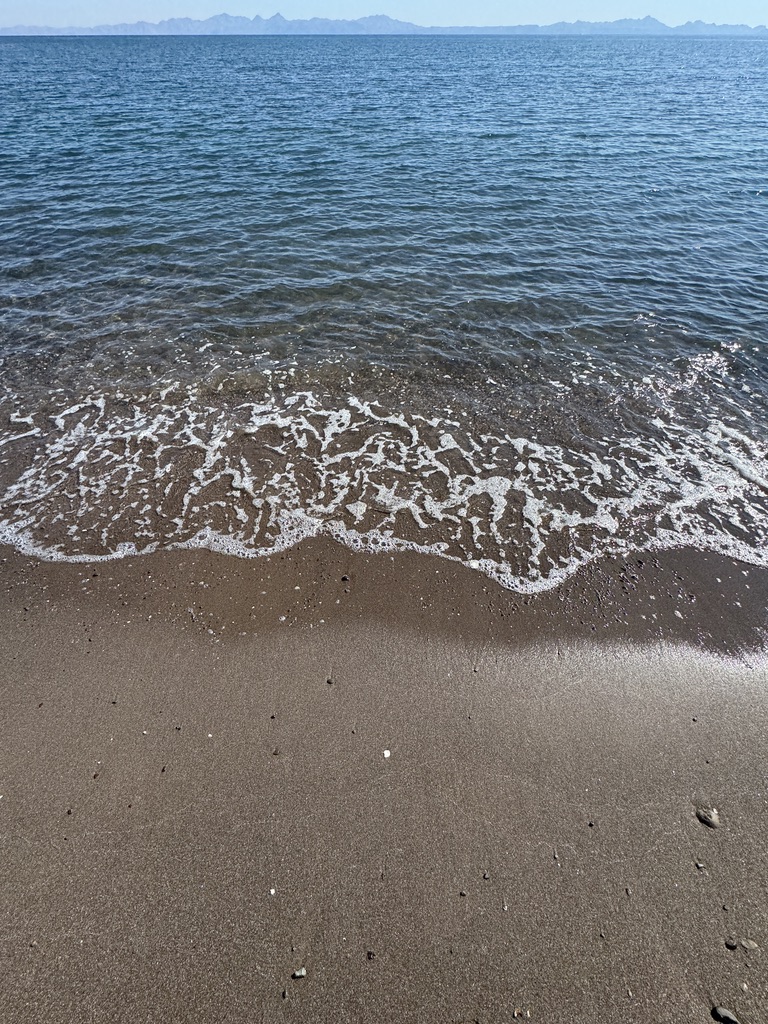
Photo Credit: Amy Tucker, 2026
Note. Where land and sea meet, transformation is negotiated.
I chose Loreto because it sits beside the sea. Because there is something about the rhythm of waves that mirrors the rhythm I am trying to find, the inhale and exhale, the arriving and receding, the constant motion that is somehow also constancy.
I call this project The Third Shore because the shore is neither ocean nor land, but the meeting place. The threshold. The liminal space where transformation happens.
This is what alonetude offers: threshold space. A place to practice being between who I was and who I am becoming.
The shore holds the tension between land and sea without resolving it. It holds both. It is where waves have been shaping sand for millennia, grinding rock into powder, polishing glass smooth.
The shore is patient.
It understands that transformation takes geological time. That healing is measured beyond breakthroughs, in in the accumulation of small moments when something shifts, softens, and the body remembers, even briefly, what safety feels like.
This is what I am learning to trust.
That the small shifts matter. That my nervous system is doing the work even when I am beyond consciously perceiving the change. That rest is deep labour rather than dereliction.
That solitude can be refuge rather than abandonment.
Alonetude offers refuge rather than resolution. Capacity rather than the elimination of fear to be with fear without being overtaken by it. Beyond the achievement of permanent safety, there are moments, increasing moments, when safety feels possible.
And for a nervous system that learned early that the world is fundamentally unsafe, that rest invites disaster, that vigilance is required for survival, these moments are everything.
They are the shore where new life becomes possible.
What These Three Parts Have Traced
This series has moved from childhood hypervigilance to adult manifestations, and now to the practice of alonetude as a healing intervention.
Part 1 established the theoretical framework for understanding how chronic childhood trauma shapes the developing nervous system. Part 2 provided the embodied narrative of what hypervigilance actually felt like, lived like, inhabited a child’s body and world.
This final part has examined how those childhood adaptations persist in adulthood and why intentional solitude, alonetude, offers possibilities for healing that differ fundamentally from both loneliness and passive alone-time.
The body keeps the score, yes.
Image: Refuge and Integration
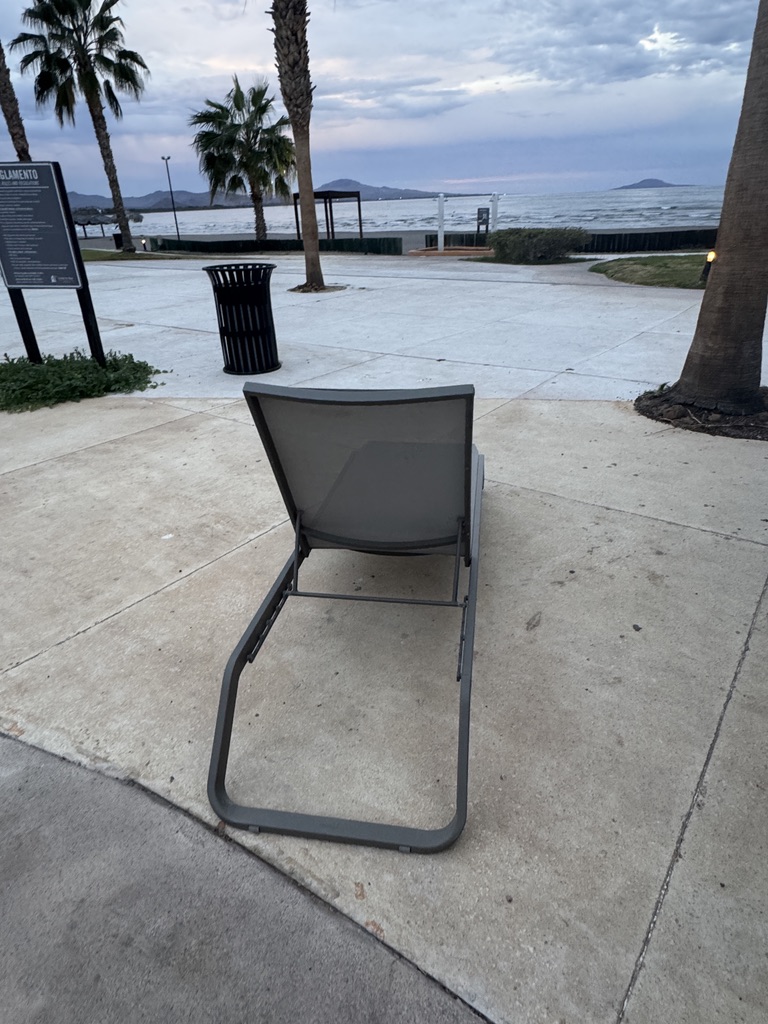
Photo Credit: Amy Tucker 2026
Notation: The body keeps learning.
But the body also learns.
Slowly. Incrementally. Through patient practice, the nervous system that learned danger can also learn safety. Beyond complete safety. Beyond permanent safety. Moments of safety remain. Windows of rest. Brief experiences of what it feels like to simply be rather than constantly, vigilantly, doing.
These moments accumulate. They create new neural pathways. They teach the body new possibilities without requiring it to forget old protections.
And this, this is revolutionary for those of us who learned early that we existed to serve, to protect, to scan, to anticipate, to prevent. That our worth was measured by our usefulness. That rest was dangerous, and solitude was abandonment of our post.
Alonetude says: Rest is permitted. You are allowed to simply be. Your worth exists independent of constant productivity. Solitude can be a refuge rather than a threat.
The body holds this truth tentatively, still learning.
But it is learning.
Slowly. Incrementally. Through twenty days of practice by the sea. And ten more days to come. And whatever comes after.
The work continues. The body continues learning. The shore continues shaping what the waves bring.
La curación continúa. Healing continues.
Ya no tengo que vigilar todo el tiempo. I no longer have to keep watch all the time.
Except I do, still, sometimes.
The difference is that now I sometimes notice when I am keeping watch. And I can choose, sometimes, slowly, to gently set down the vigilance and rest.
This is what healing looks like.
Beyond dramatic. Beyond complete.
But real.
For readers struggling with trauma histories: Healing is rarely linear. It is rarely complete. But it is possible. These small moments of rest, these brief windows when safety feels real rather than theoretical, these matter profoundly. They accumulate. They create new possibilities. You remain whole. Your nervous system is doing exactly what it learned to do. And it can learn new responses while honouring the wisdom of old protections.
Con cariño y esperanza. With care and hope.
References
Brown, B. (2010). The gifts of imperfection: Let go of who you think you are supposed to be and embrace who you are. Hazelden.
Csikszentmihalyi, M. (1990). Flow: The psychology of optimal experience. Harper & Row.
Fisher, J. (2017). Healing the fragmented selves of trauma survivors: Overcoming internal self-alienation. Routledge.
hooks, b. (2000). Feminist theory: From margin to centre (2nd ed.). South End Press.
Kabat-Zinn, J. (1990). Full catastrophe living: Using the wisdom of your body and mind to face stress, pain, and illness. Delacorte Press.
Kornfield, J. (2000). After the ecstasy, the laundry: How the heart grows wise on the spiritual path. Bantam Books.
Long, C. R., & Averill, J. R. (2003). Solitude: An exploration of the benefits of being alone. Journal for the Theory of Social Behaviour, 33(1), 21–44. https://doi.org/10.1111/1468-5914.00204
Porges, S. W. (2011). The polyvagal theory: Neurophysiological foundations of emotions, attachment, communication, and self-regulation. W. W. Norton & Company.
van der Kolk, B. A. (2014). The body keeps the score: Brain, mind, and body in the healing of trauma. Viking.
Winnicott, D. W. (1958). The capacity to be alone. International Journal of Psycho-Analysis, 39, 416–420.
Here rests vigilance, laid down with care.
Translation note. Spanish-language text in this post was translated into English using Google Translate and reviewed by the author. Translations are intended to convey general meaning rather than certified linguistic precision.