Content Warning: This post contains discussion of childhood exposure to parental alcoholism and domestic violence. While absent of graphic detail, the material addresses trauma, fear, and hypervigilance that some readers may find distressing.
Translation note. Spanish-language text in this post was translated into English using Google Translate and reviewed by the author. Translations are intended to convey general meaning rather than certified linguistic precision.
Van der Kolk (2014) writes that the body continues to register and respond to danger signals even when conscious memory holds no record of the original trauma.
But what about when the body remembers everything? When the danger was less a single event than the air you breathed for years?
The Constant Companion
What the Walls Remember
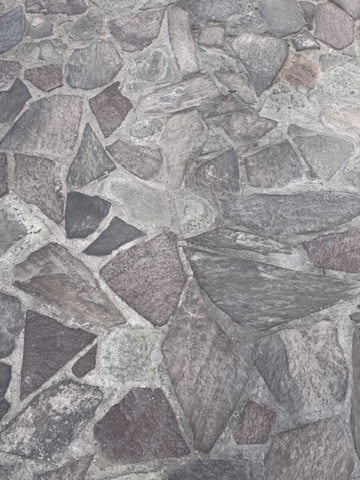
Photo Credit: Amy Tucker, 2026
I am trying to describe a sensation that lived in my body from my earliest memories until approximately age twelve. It sat in my stomach, this tight ball of readiness. Almost nausea, though sometimes it tipped that way. Almost pain, though it ached.
It was the feeling of waiting. Esperando. Always waiting.
Waiting for the sound that would tell me whether this evening would be safe.
The sound was the truck engine. My father’s truck is pulling in at the end of the day. And before I even consciously registered the sound, my body knew. The particular rhythm of his footsteps as he walked from the garage into the house told me everything I needed to know. Heavy, deliberate steps meant danger. Lighter, quicker steps might mean safety, though there were no guarantees.
The ball in my stomach would tighten. My breathing would change without my choosing to. I was listening with my whole body, my whole being rather than just my ears.
Here is what I have learned from the trauma neuroscience I read in Part 1: this lay beyond clinical anxiety. This was neuroception. My autonomic nervous system is reading environmental cues for danger beneath my conscious awareness, exactly as it was designed to do. The problem was that it was designed for occasional threats, never the chronic kind, never for years of this.
By the time I heard the garage door, I had already assessed multiple variables without thinking about it. What day of the week was it? Fridays were more dangerous because he stopped at the bar on the way home. How late was he? Later meant more drinking. Did my mother seem tense at dinner? Her tension meant she had already sensed something I had yet to detect. Was my younger sister being too loud? Noise drew attention, and attention was dangerous.
The youngest was seven years younger than me, still small enough that sometimes she cried in ways I was unable to quiet. This terrified me more than my own danger. My hypervigilance extended far beyond myself. I was responsible for them, too.
Reading the Air
Atmosphere Before the Storm
Photo Credit: Amy Tucker, 2026
I developed what I can only describe as a hyperawareness of atmospheres. I could feel the charge in the air before anything visible changed. My mother’s shoulders would tighten in a particular way. The house itself seemed to hold its breath.
By age eight or nine, I had become fluent in the language of approaching violence. I could read micro-expressions. I could detect shifts in vocal tone that signalled danger was escalating. I could calculate the precise degree of door-closing force that indicated anger.
These were skills no child should need to develop. But I was brilliant at them. I had to be.
The worst moments came before violence actually occurred. The worst moments were the hours of waiting, the ball in my stomach wound so tight I thought it might tear something open. During these hours, every small sound required assessment. Was that his chair scraping against the floor? His glass was set down hard on the counter. Is the refrigerator door closing with force?
Each sound was data. Each piece of data helped me calculate the probability of eruption.
During these hours of waiting, I strategised. Where were my sisters? If something happened, could I get to them? Were there obstacles between me and their rooms? I mapped the house in my mind like a battlefield, planning routes and refuges.
What Survived
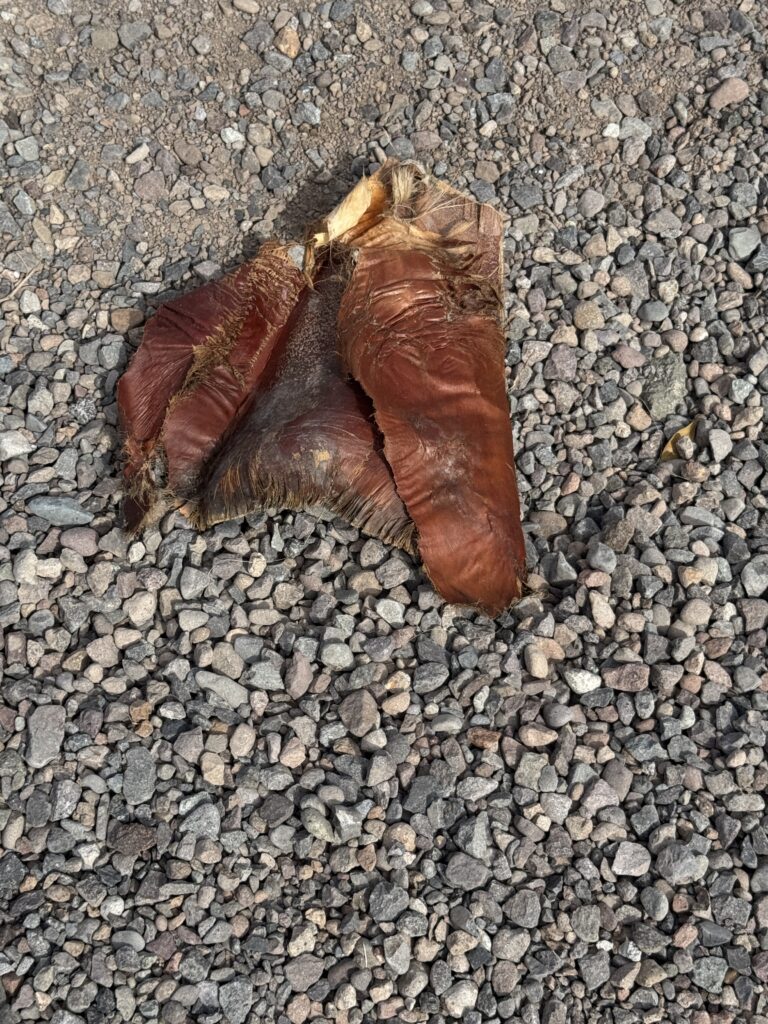
The Geography of Hiding
The house had its own geography of fear. Certain rooms were more dangerous than others.
The kitchen, where he drank after work, where the counter held the evidence of how many bottles had been opened. I learned to count them without appearing to count them. One bottle was manageable. Two meant higher risk. Three or more meant I needed to get my sisters to their rooms and keep them there.
The living room, where he sat in his chair and called us to him. Sometimes these summons were benign. Sometimes they were otherwise. I learned to read the kind from the quality of his voice when he said my name.
The hallway between my room and my baby sisters’ rooms felt impossibly long and exposed. I had to cross it to reach them if they needed me, and crossing it meant being visible, being available to be called, being vulnerable.
I learned to move through the house silently. I learned which floorboards creaked. Which doors squeaked? How to open cabinets without sound. I learned to exist without creating disturbance, to breathe so shallowly that even my breath would remain undetectable.
This skill, this ability to minimise my presence, to make myself unnoticeable, would follow me for decades. Would manifest in adult relationships as difficulty taking up space. As apologising for existing. As constantly making myself smaller to accommodate others’ needs.
But in childhood, this skill kept me safer than I would otherwise have been. Which is far from safe. There was no safety. There were only degrees of threat, gradations of danger that I learned to navigate with the precision of a cartographer mapping treacherous terrain.
The Sound of My Name
Voice Like a Weapon
Sometimes my father called my name.
Even now, five decades later, sitting in Loreto with the sound of the sea outside my window, I can feel my body’s response to that memory. My heart accelerates slightly. My vision narrows at the edges. The ball in my stomach clenches.
This is what van der Kolk (2014) means when he writes about how the body keeps the score. The original threat is gone. My father is long dead. But my nervous system still responds as if the danger were present.
In childhood, the sound of my name in his voice when he had been drinking produced a physical response I had no control over. My heart would accelerate. My vision would narrow. The ball in my stomach would clench. I would freeze, completely still, as if holding utterly still might make me invisible.
But I had to answer. Silence was worse. I would force my legs to move, force my voice to work, force my face into neutrality. The walk down the hallway to wherever he was calling from felt like walking to execution. Caminar hacia el miedo. Walking toward fear.
“Did you do this?”
His voice, accusing.
I remained without understanding of what “this” was. A glass was left on the counter. A door left ajar. A light was left on. The television is too loud. The offence varied and often made no logical sense. But the pattern was always the same: I was accused of something I had left undone, something I would never do because I was so careful, so hypervigilant about never creating any reason for attention, for anger, for danger.
“No,” I would say, my voice small.
This was true. I had done nothing of what he was accusing me of doing. But truth had no protective power.
When Reality Breaks
I wrote in Part 1 about Freyd’s (2008) concept of betrayal trauma, how, when those who should protect us instead harm us, when we are blamed for harm done to us, the violation cuts deeper than the harm itself because it undermines our basic capacity to trust our own perceptions.
This is what those moments of false accusation did. They broke something deeper than the fear of punishment.
The moment would stretch. He would decide whether to believe me. Sometimes he did. Sometimes he refused. When he refused to believe me, when he insisted I was lying even though I was telling the truth, something fractured inside me each time.
I knew with certainty that I had done nothing he accused me of. I knew it with absolute certainty. But his version of reality had power over mine. His insistence that I was guilty could override my knowledge of my own innocence.
This is epistemic violence. The assault on a child’s capacity to know what they know.
I am still, decades later, unlearning this. Still working to trust my own perceptions. Still catching myself doubting what I know to be true when someone else insists on a different version of events.
The Leaving
Underwater Silence
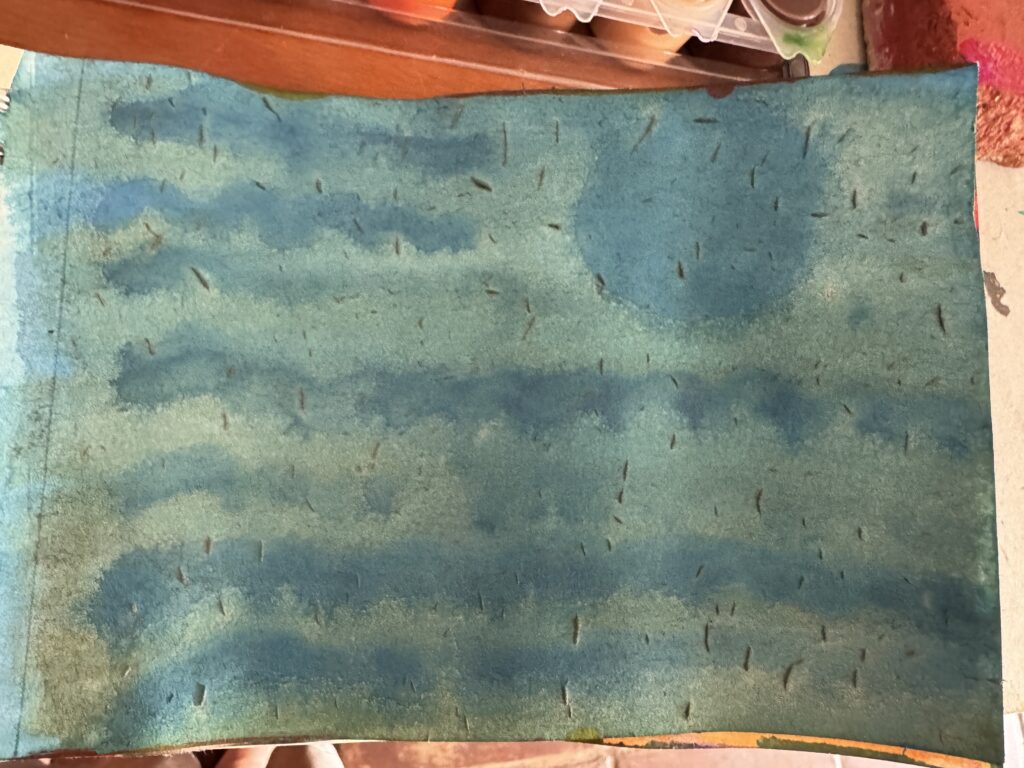
During these moments of accusation, of being blamed for things left undone, I would split. Some part of me would go away to a place where his words could find no purchase.
My face would remain neutral. My body would stand still. But I had barely remained there.
Years later, I learned this is called dissociation. A survival strategy my nervous system deployed to protect me from unbearable psychological pain. Fisher (2017) writes about structural dissociation, the fragmentation of the personality into parts that carry different survival strategies. In the moment, I only knew that crying was forbidden, that defending myself too vigorously was forbidden, that showing fear was forbidden.
Any emotional response increases danger.
Where did I go when I left? The answer remains beyond me. It was less a conscious choice than an automatic response, my body’s wisdom protecting me in the only way available when fight or flight were both impossible.
I existed in some internal space that felt grey and distant, muffled, as if I were underwater, with the sounds reaching me from far away. This internal refuge kept me functioning, but at a cost. I lost pieces of my experience. Unable to fully remember what happened during these dissociated moments. Carried gaps in my memory that would later make me doubt whether events occurred as I recalled them.
This fragmentation, this sense that parts of me exist in different places, holding different pieces of the experience, has never entirely healed. I recognise it even now when stress triggers those same dissociative responses. The going away. The watching myself from a distance. The sense that I am barely inhabiting my body.
The Weight of Protection
I tried to absorb her fear into my own body,
to create a buffer between her and the violence.
Even now, some part of me keeps scanning for their safety.
Still Holding
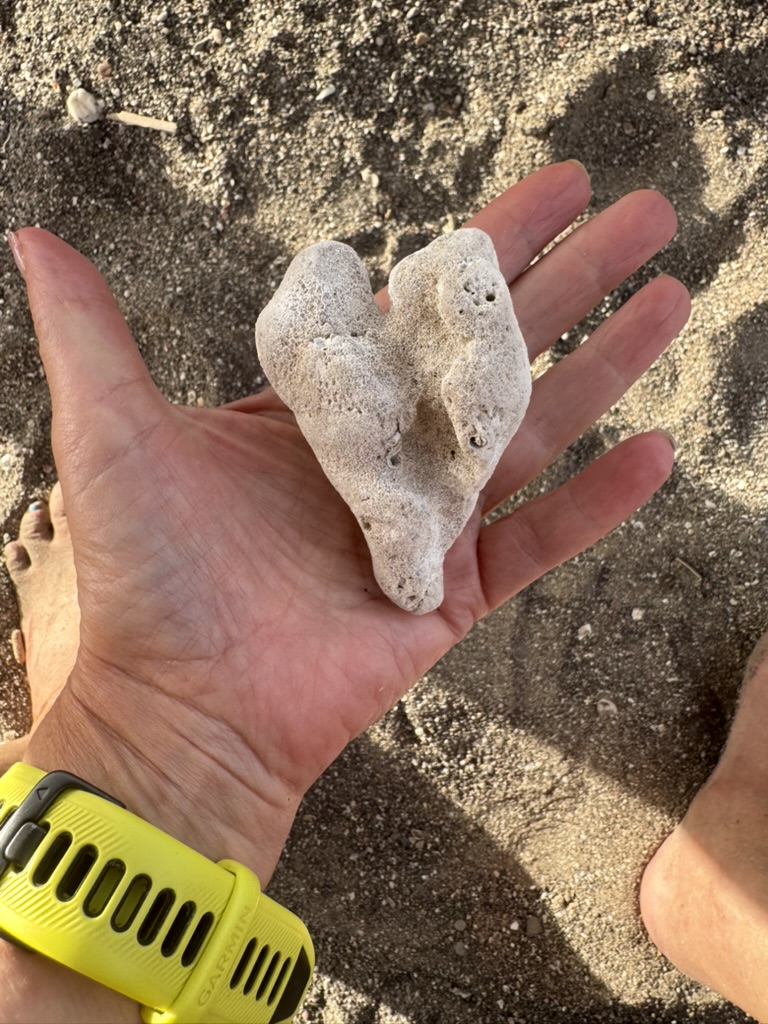
Photo Credit: Amy Tucker, 2026
After these confrontations, after he had yelled or grabbed or made his point through whatever means he chose, I would go to check on my sisters.
My younger sister, only one year younger than me, had often heard everything through the walls. I would find her frozen in her bed, eyes wide, her own body locked in the same sympathetic activation that gripped mine.
“It is okay,” I would tell her, though we both understood it was far from true.
“He is calmer now.” Ya pasó. It has passed.
Though we both knew it had barely passed. That it would come again. That this was merely an intermission.
I would smooth her hair the way our mother did, or used to do before exhaustion made all gestures mechanical. I tried to absorb her fear into my own body, tried to create a buffer between her and the violence, tried to convince both of us that I could keep her safe when in reality I was just another child, just as powerless, just as frightened.
The youngest, still small, often slept through these episodes. When she woke, confused by the atmosphere, by the tension that lingered in the house like smoke, I would make up reasons. “Dad was just talking loudly about work.” Anything to preserve her innocence a little longer, though I suspected she absorbed the fear even when she lacked conscious understanding of its source.
Babies know. Children know. Bodies know what minds try to deny.
I wrote in Part 1 about Jurkovic’s (1997) work on parentification, the way children who become caregivers for their siblings carry consequences into adulthood. Difficulty accepting care. Persistent sense of responsibility for others’ emotional states. Compromised capacity to recognise their own needs.
Most relevant for this alonetude project: the way parentified children struggle with solitude because rest feels like a dereliction of duty. Their nervous systems learned early that constant vigilance is required as much for protection of others as for the self for the protection of others.
Even here in Loreto, alone by choice, with my sisters safe in their own adult lives, some part of me keeps scanning for their safety. Keeps wondering if I should check in. The hypervigilance that served us then persists decades after we no longer need it.
The Vigil
The Edge of Rest
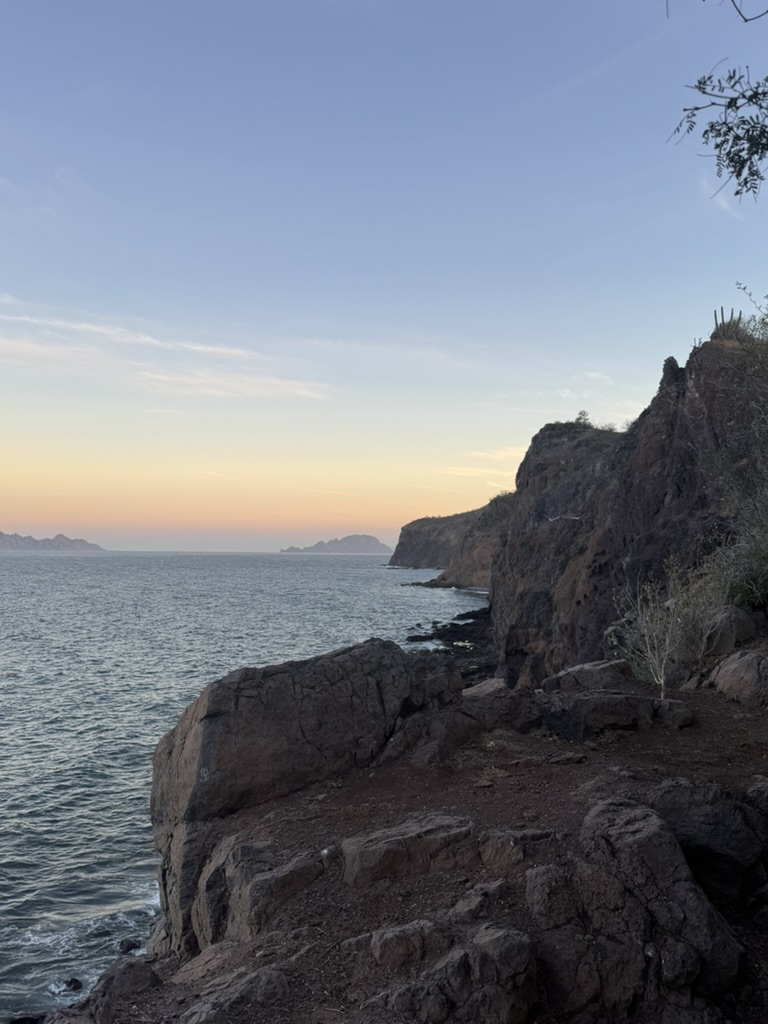
Photo Credit: Amy Tucker, 2026
I would lie awake long after the house had gone silent. My body refused sleep because sleep meant vulnerability, meant I might miss the return of danger.
The hypervigilance that kept me alert all day persisted through the night rather than releasing. Instead, it intensified in the dark. Every small sound required assessment. The house is settling. The refrigerator is cycling on. A mine whistle is blowing at the end of the shift.
Each sound had to be categorised as normal or threatening. Safe or dangerous? Requiring response or allowing rest.
But rest never truly came.
Tomorrow I would move through school in a fog of exhaustion, but I had become skilled at hiding this, too. Appearing normal. At performing the role of a child who was fine when everything inside me was wound tight as a wire.
Teachers remained unseeing, or if they noticed, they remained silent. This was the early 1970s. People avoided speaking of such things. Families were private. What happened in homes stayed in homes.
I learned to carry my fear silently, to show no external evidence of the constant internal vigilance.
The Normalization of Terror
This is every memory combined. This is hundreds of memories, thousands of moments of fear spread across seven years. This is the texture of my childhood, the baseline state against which any moments of safety appeared as aberrations.
The ball in my stomach became so constant that I forgot there had ever been a time when I had ever been free of it. It became my normal, the lens through which I perceived the entire world: dangerous, unpredictable, requiring constant vigilance.
Even in moments that should have been safe, at school, during rare family outings when my father was sober, visiting friends’ houses, the fear persisted. My nervous system resisted recalibration even when external circumstances temporarily improved.
Porges (2011) writes about how the nervous system, once calibrated to constant threat, cannot easily recalibrate to safety. Safety feels temporary. Fragile. A gift that can be revoked at any moment.
This is what I carry still. This sense that safety is a state beyond my trusting but rather a temporary condition that requires its own kind of vigilance. That letting my guard down means disaster. That rest is dangerous.
What the Body Remembers
What the Body Keeps
Vigilance Without Threat
What lay beyond my understanding then but is clear to me now through trauma neuroscience is that my body was accurately responding to chronic threat by remaining in a state of mobilised defence. The hypervigilance was entirely rational. It was a rational response to genuine danger.
The problem emerges later, when the danger has ended, but the defensive mobilization persists. When my adult nervous system continues responding as if I am still that child in that house, still needing to constantly monitor for threats that no longer exist.
The ball in my stomach. The scanning for danger. The inability to rest. The sense that solitude is dangerous rather than restorative.
These are accurate indicators, rather than failures of healing. They are accurate indicators of how deeply fear became inscribed in my body during formative years.
This is why I am here in Loreto. Why I am attempting to give my nervous system sustained exposure to genuine safety. Why I am practicing, every day, the radical act of rest.
But the body resists unlearning what it learned during the years when the personality itself was forming. The vigilance persists. The ball in my stomach still activates under stress. The sound of heavy footsteps still makes my shoulders rise.
And yet.
There are moments here, in the early morning light, when the pelicans glide past my window, when the ball in my stomach unclenches slightly. When my breath deepens a fraction. When rest feels possible, even if only for a moment.
These are the victories I am learning to recognise. Beyond the dramatic transformation I once hoped for, but the small, incremental shifts. The brief moments when my nervous system registers safety. When the vigilance softens. When I can simply be.
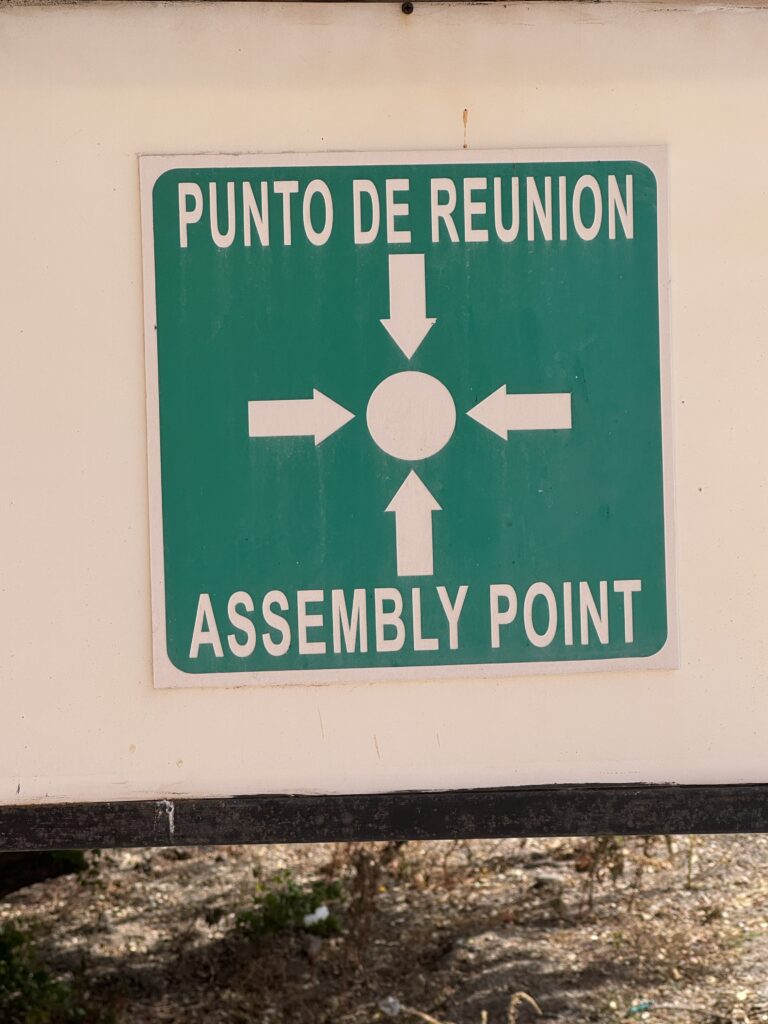
Even the body needs a point of reunion
What Comes Next
In Part 3, I will examine what these childhood adaptations mean for adult life. How hypervigilance shapes capacity for solitude. Why my thirty-day retreat in Loreto represents an attempt to finally teach my nervous system that rest is permitted. How alonetude offers refuge rather than threat.
The vignette has shown the wound. The analysis will show the path toward healing.
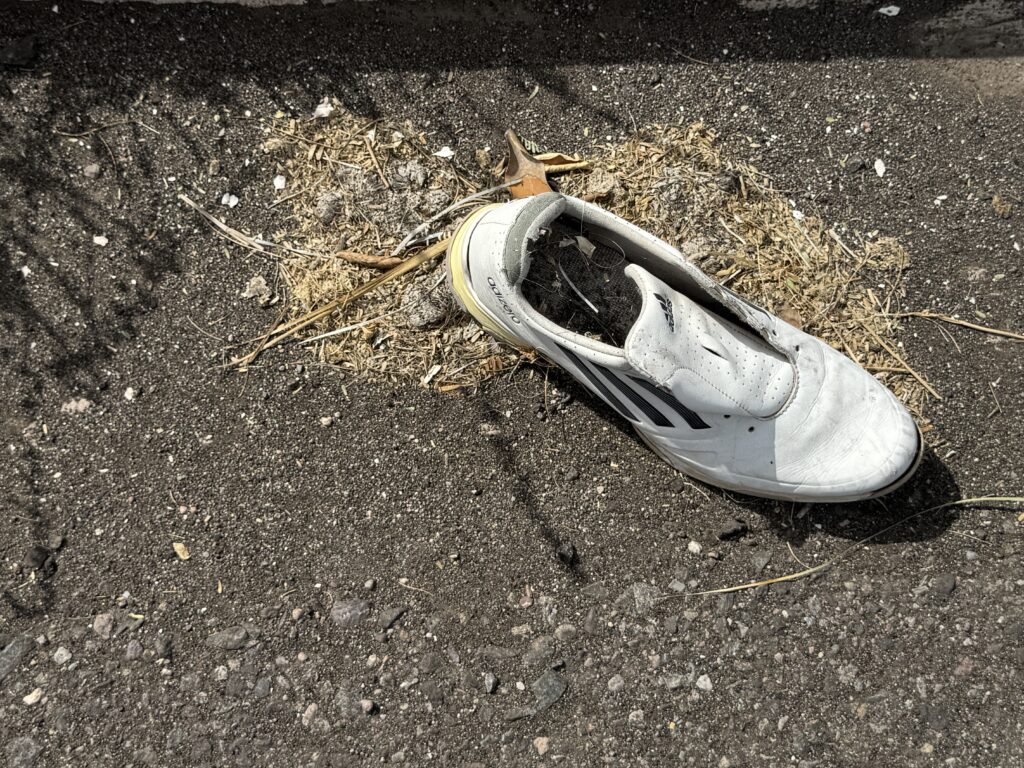
When I can simply be.
References
Fisher, J. (2017). Healing the fragmented selves of trauma survivors: Overcoming internal self-alienation. Routledge.
Freyd, J. J. (2008). Betrayal trauma. In G. Reyes, J. D. Elhai, & J. D. Ford (Eds.), The encyclopedia of psychological trauma (pp. 76–77). John Wiley & Sons.
Jurkovic, G. J. (1997). Lost childhoods: The plight of the parentified child. Routledge.
Porges, S. W. (2011). The polyvagal theory: Neurophysiological foundations of emotions, attachment, communication, and self-regulation. W. W. Norton & Company.
van der Kolk, B. A. (2014). The body keeps the score: Brain, mind, and body in the healing of trauma. Viking.