Content Warning: This series contains discussion of childhood exposure to parental alcoholism and domestic violence. While the material is free from graphic detail, it addresses trauma, fear, and hypervigilance that some readers may find distressing.
This is Part 1 of a 3-part series exploring childhood hypervigilance and the journey toward healing through solitude. This series draws from my Creative Master’s thesis on alonetude: intentional, embodied solitude as healing practice.
“This is a memory of a way of being, rather than a memory of something that happened.”
I am trying to write about fear. Beyond the kind that arrives and then leaves, beyond the sharp spike of adrenaline when something startles you, but the other kind. The kind that becomes the water you swim in. The kind that becomes so constant you forget you are afraid at all.
Van der Kolk (2014) writes about trauma as an enduring imprint on mind, brain, and body, something that continues shaping how we navigate the present long after the original event has passed (p. 21). But what happens when there is no single event to point to? What happens when the entire landscape of childhood is the event?
When Fear Has No Beginning
Image: Early Atmosphere
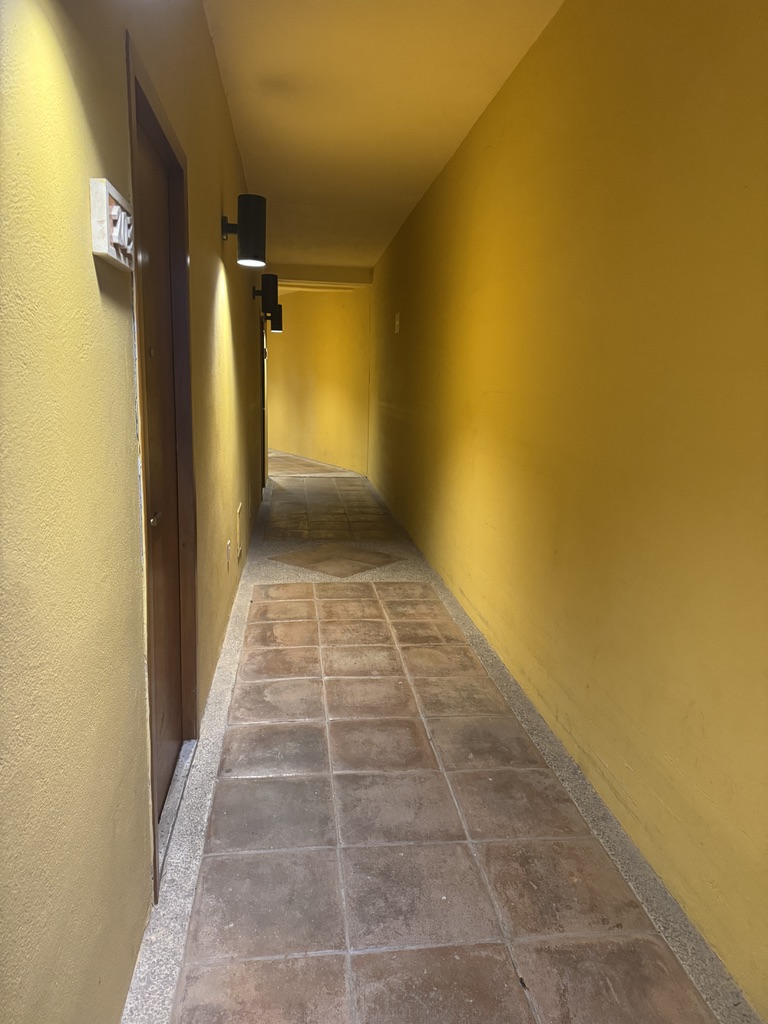
Photo Credit: Amy Tucker, 2026
There are childhood memories I can pull out like photographs, discrete and framed. The time I fell off my bike. My eighth birthday party. The day we got our dog.
And then there are the other memories. The ones that exist as atmospheres rather than moments. As textures. As the constant hum underneath everything else.
From approximately age three to twelve, I lived inside a particular sensation. It sat in my stomach, a tight ball of readiness. This is a memory of a way of being, rather than any single event that happened. A state I inhabited the way other children might have inhabited safety or joy or the simple pleasure of coming home from school.
My father’s alcoholism and violence made our home a place where I learned to calibrate my entire nervous system to threat. Where I learned to read micro-expressions the way other children learned to read books. Where I learned to map escape routes through rooms, the way other children might have mapped their way to the playground.
I am writing this now from Loreto, Mexico, thirty days by myself in a casita by the sea, trying to understand why solitude feels so dangerous. Why rest feels like a dereliction of duty. Why does my body still, five decades later, refuse to believe that it is safe?
Psychiatrist Judith Herman observes that children living in chronically threatening environments organise their entire existence around preventing further harm, shaping every aspect of their development and behaviour (1992).
The Neuroscience I Needed to Understand
I came to the trauma literature looking for a map. Looking for some way to make sense of why, at fifty-something years old, my shoulders still rise toward my ears when I hear heavy footsteps. Why does my breath still catch at the sound of a door closing with force? Why does being alone with my own thoughts feel more dangerous than being in a crowd?
What I found changed how I understand my childhood, and the body I still carry through the world.
The threat is the baseline. Safety, when it occurs, feels like an aberration.
When Trauma Shapes the Personality Itself
Herman (1992) introduced the concept of complex post-traumatic stress disorder to name what happens when trauma extends beyond any single terrible event into a chronic condition of childhood. She makes a distinction that stopped me cold when I first read it: repeated trauma in adult life erodes the structure of an already-formed personality. But repeated trauma in childhood? That shapes and deforms the personality as it develops.
I had to sit with that for a long time.
Single-incident trauma, devastating as it is, happens against a backdrop of what came before. The person remembers what safe felt like. The nervous system has a baseline to which it can potentially return.
But for those of us who grew up in homes where violence was the organising principle of daily life? We have no safe baseline. The threat is the baseline. Safety, when it occurs, feels like an aberration.
This matters for understanding why solitude feels dangerous to me now. My nervous system was calibrated during its most formative years to expect threat. It learned early that vigilance is required for survival. And when that learning happens during the years when the personality itself is forming, it goes deeper than sitting on top of the self. It becomes the foundation of the self.
How Your Nervous System Learns the World
A neuroscientist I am far from, but I have spent years trying to understand what Stephen Porges (2011) calls Polyvagal Theory because it finally gave me language for what I carry in my body.
Image: The Neuroscience I Needed
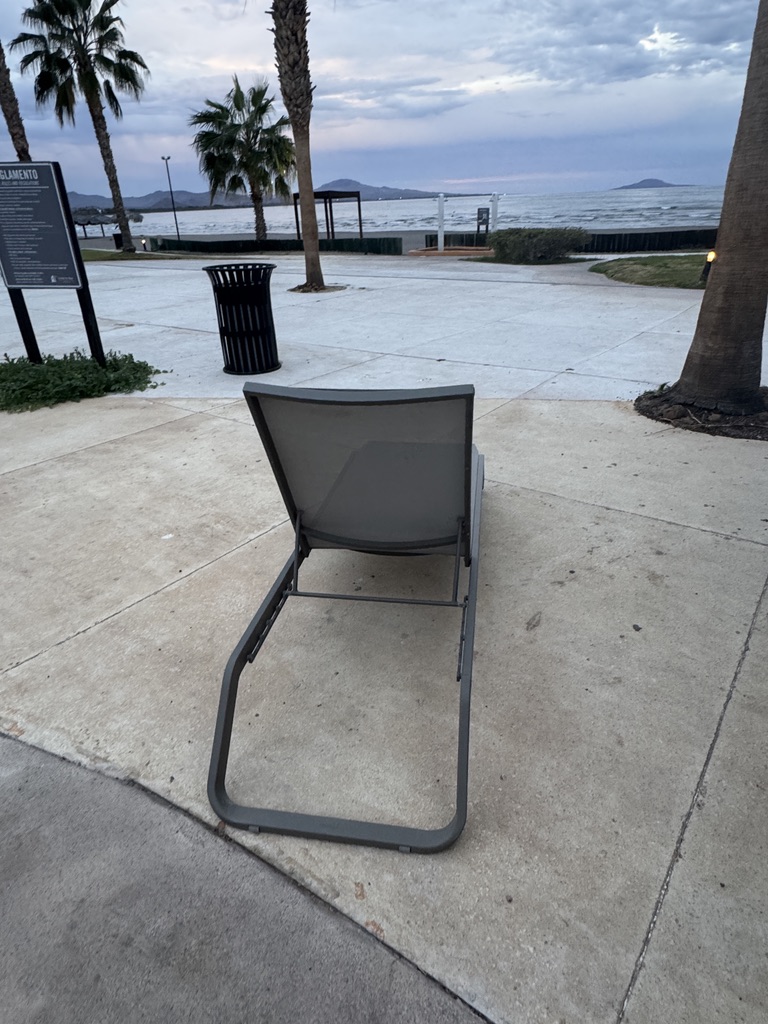
Photo Credit: Amy Tucker, 2026
Porges describes three systems in the autonomic nervous system, organised hierarchically:
The ventral vagal system supports what he calls social engagement. It is the system that allows you to feel safe, to connect with others, to rest. When this system is online, your face is mobile, your voice has prosody, and you can take in information without constant threat assessment.
The sympathetic nervous system mobilises the fight-or-flight response. This is the system that floods you with adrenaline, that makes your heart race, that prepares your body to defend itself or run.
The dorsal vagal system produces freeze, collapse, and shutdown. This is the oldest system, the one that takes over when fight or flight are both impossible. When you cannot escape and cannot defeat the threat, this system makes you disappear inside yourself.
In safe environments, Porges (2011) explains, the nervous system moves flexibly between these states as situations require. You can engage socially when appropriate, mobilise when needed, and return to calm.
But in chronically threatening environments, the system becomes biased toward defensive states. The part of you that should be able to rest and connect gets chronically inhibited. Your body learns that the world requires constant defence.
For children in violent homes, this means the nervous system rarely experiences the kind of regulation that comes from safe, attuned relationships. Van der Kolk (2014) writes about how traumatised individuals carry fundamentally different bodily experiences than those who have felt safe and welcome in the world.
I think about this often here in Loreto. About how my body learned early that the world held no safety. About how that learning lives in my nervous system, deeper than thought. About how no amount of cognitive understanding that I am safe now can simply overwrite what my body knows.
Image: Relearning Rest

Photo Credit: Amy Tucker, 2026
When Survival Requires Fragmentation
Janina Fisher (2017) writes about something she calls structural dissociation. The way chronic threat fragments the personality into parts that carry different survival strategies.
Image: Structural Dissociation
Photo Credit: Amy Tucker, 2026
Survival Intelligence
Children develop what she describes as trauma-related action systems: fight, flight, freeze, submit, attach, and cry for help. Each is associated with specific bodily states. Each is a different way of trying to survive.
Image: Intelligent Adaptations
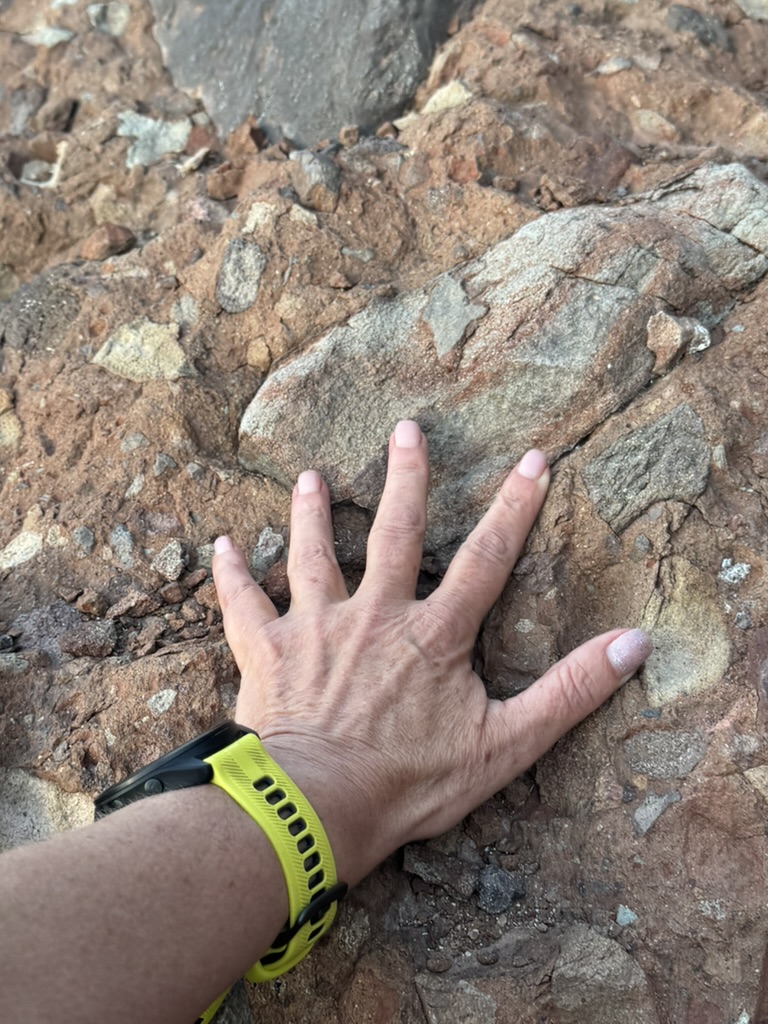
Photo Credit: Amy Tucker, 2026
I recognise all of these in myself. The part that freezes when someone raises their voice. The part that apologises compulsively for taking up space. The part that scans every room for exits. The part that overexplains, trying to prevent misunderstandings before they happen.
These are adaptations, beyond pathologies. They are intelligent adaptations. They kept me alive.
The problem is that they persist decades after the threat has ended.
Hypervigilance as Intelligent Adaptation
Hypervigilance as Adaptation
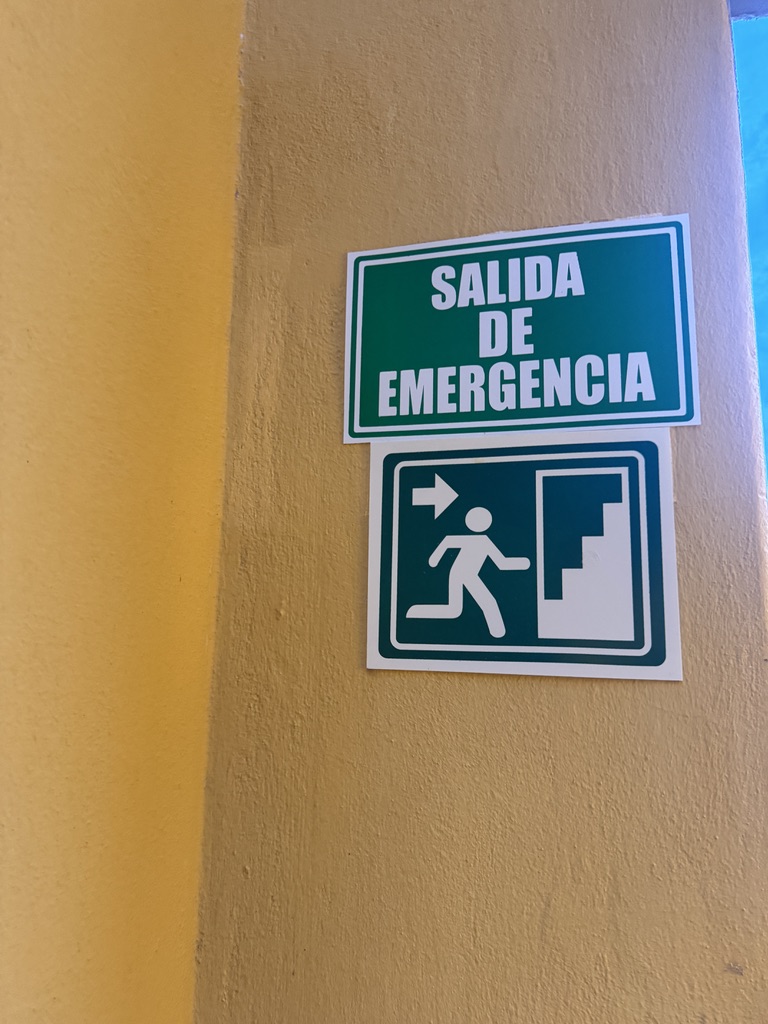
Photo Credit: Amy Tucker, 2026
Van der Kolk (2014) characterises hypervigilance as the persistent expectation of danger that keeps the body in a state of high alert. Courtois (2008) calls it anticipatory anxiety, the constant scanning of environments, the monitoring of adult moods, the perpetual effort to predict and potentially avoid danger.
I need to say this clearly: hypervigilance is clarity under threat. Beyond pathology. Beyond dysfunction. Beyond weakness.
The child who learns to read micro-expressions, to detect shifts in vocal tone, to map escape routes through the house, that child is surviving. Far from malfunctioning.
I was brilliant at survival. By age eight, I could assess a room in seconds. Could tell you from the sound of footsteps whether this evening would be safe. Could make myself small enough, quiet enough, invisible enough to avoid attention.
Image: Survival Intelligence
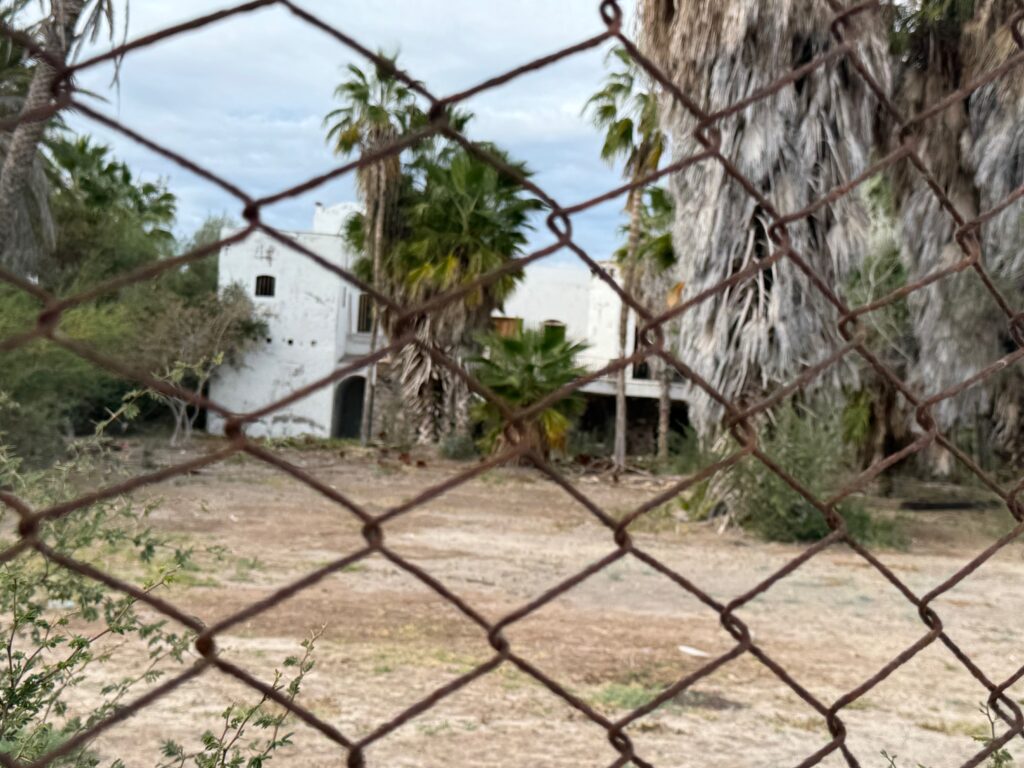
Photo Credit: Amy Tucker, 2026
This intelligence saved my life.
But intelligence calibrated to perpetual threat recalibrates to safety only slowly. My nervous system still signals danger in contexts where there is none. Still prepares for threats that no longer exist. Still cannot quite believe that rest is permitted.
When Those Who Should Protect You Betray Reality Itself
Freyd (2008) writes about betrayal trauma, what happens when those we depend upon for survival violate our trust (pp. 76–77). But she is writing about something deeper than mere trust violation. She is writing about the violation of reality itself.
I remember being accused of things I had never done. Small things, meaningless things, a glass left on the counter, a light left on. But the accusation came with absolute certainty. My father’s insistence that I was lying when I was telling the truth.
The terror was beyond punishment, though punishment was real. The terror was about the understanding that reality itself could be overwritten. That my knowing what was true offered no protection. That I could be blamed at will, simply because someone with power over me decided I was guilty.
Image: When Reality Fractures
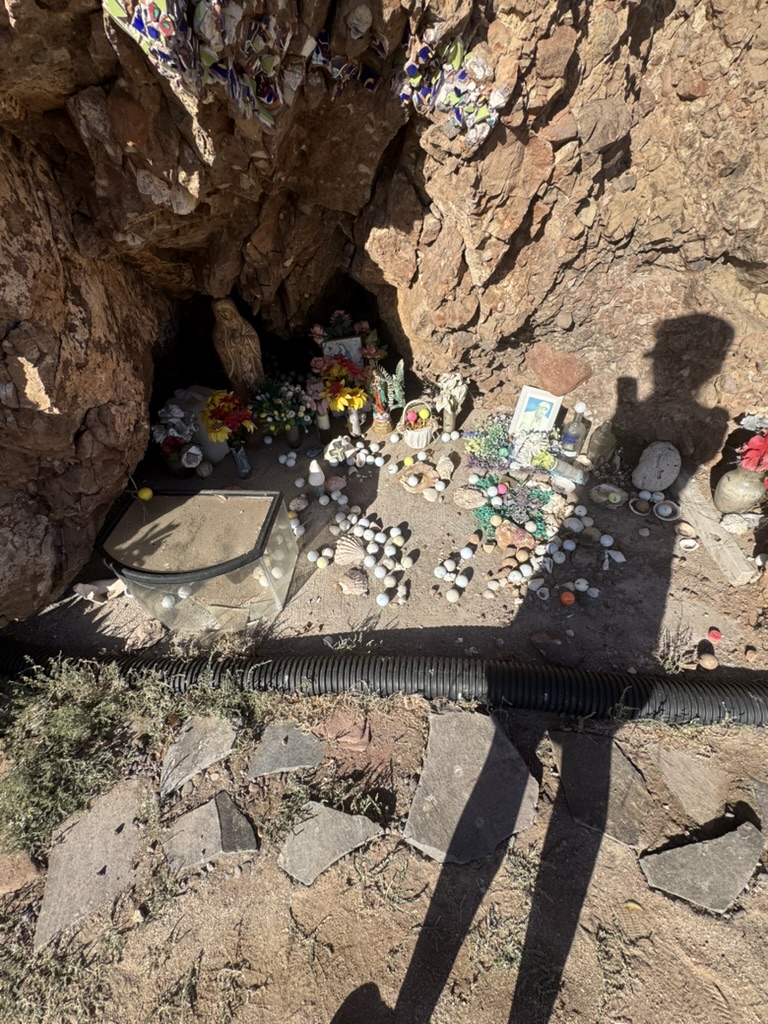
Photo Credit: Amy Tucker, 2026
For children, this creates what Freyd (2008) calls a double bind. The child knows the truth. But the parents’ power requires submission to the false narrative. And that submission? It ruptures something fundamental about the child’s sense of reality and worth.
When parents harm and also deny the child’s reality, they commit what might be understood as epistemic violence. An assault on the child’s capacity to know what they know.
I am still, decades later, unlearning the habit of doubting my own perceptions. Still working to trust my judgment. Still catching myself deferring to others’ interpretations of events, even when I have clear evidence of their inaccuracy.
“The threat is the baseline. Safety, when it occurs, feels like an aberration.”
When Children Have to Become Parents
Minuchin (1974) described parentification as a developmental distortion in which children assume caretaking roles beyond their capacity. Jurkovic (1997) distinguishes between adaptive parentification (helping with household tasks during a temporary crisis) and destructive parentification (providing ongoing emotional regulation to family members in chronically dysfunctional systems).
I was the oldest. Seven years older than my youngest sister. I learned early that my vigilance needed to extend beyond my own safety. I needed to monitor whether I was in danger, and whether they were. I needed to comfort, to protect, to absorb their fear into my own already-overloaded nervous system.
Image: Carrying More Than One Nervous System
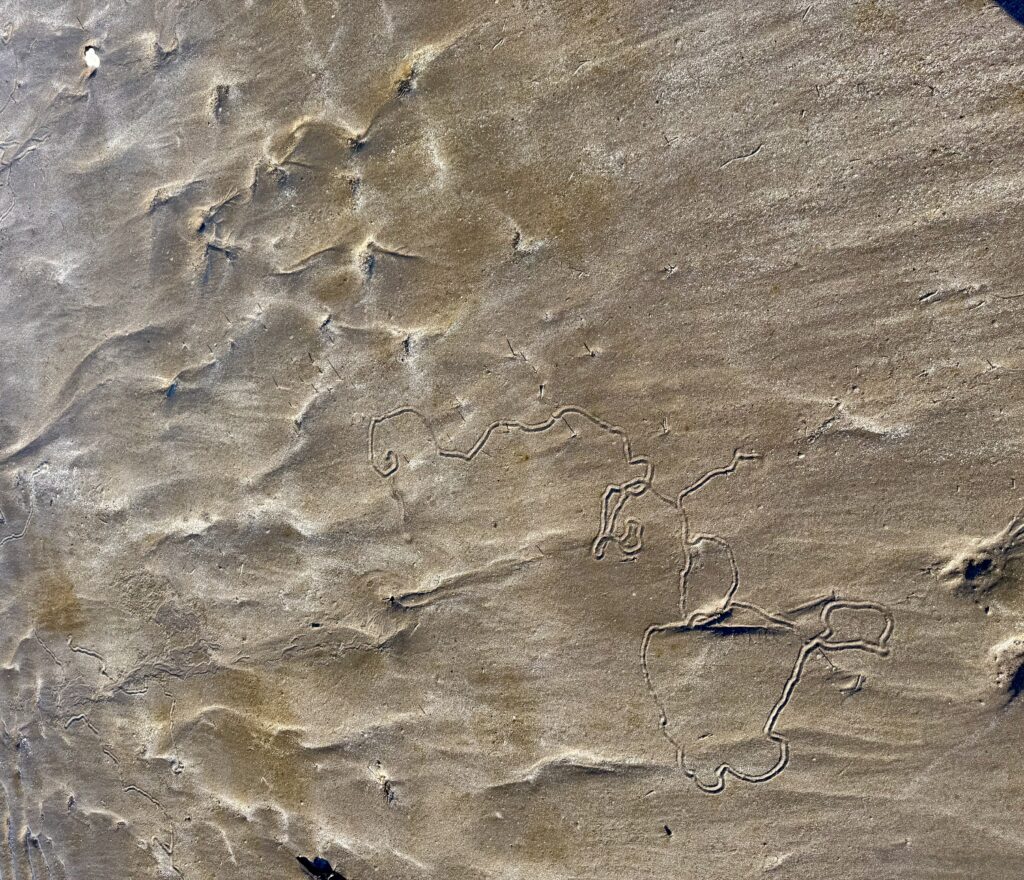
Photo Credit: Amy Tucker, 2026
Jurkovic (1997) writes about the consequences: difficulty accepting care from others in adulthood, a persistent sense of responsibility for others’ emotional states, and a compromised capacity to recognise one’s own needs, as well as what he calls premature identity closure, when children define themselves primarily through their caretaking role rather than developing authentic selfhood.
And this: parentified children often struggle with solitude because their nervous systems learned early that constant vigilance extends beyond self-protection to the protection of others.
“This is a memory of a way of being, rather than a memory of something that happened.”
Image: Staying With What Is
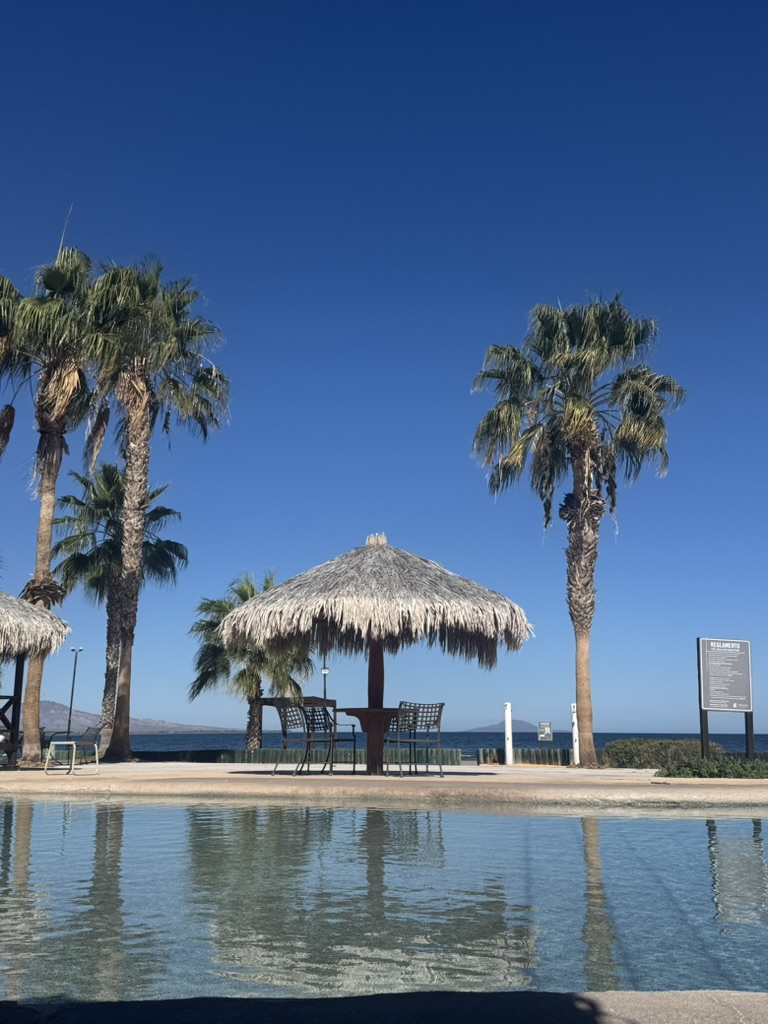
Photo Credit: Amy Tucker, 2026
Rest feels like a dereliction of duty. Solitude feels like abandonment of the post.
This is why I am here in Loreto. Why I am trying, for thirty days, to teach my nervous system that rest is permitted. That Vigilance for anyone else’s safety can rest here. That solitude can be restorative rather than dangerous.
But I am getting ahead of myself.
Image: Stairway to Heaven
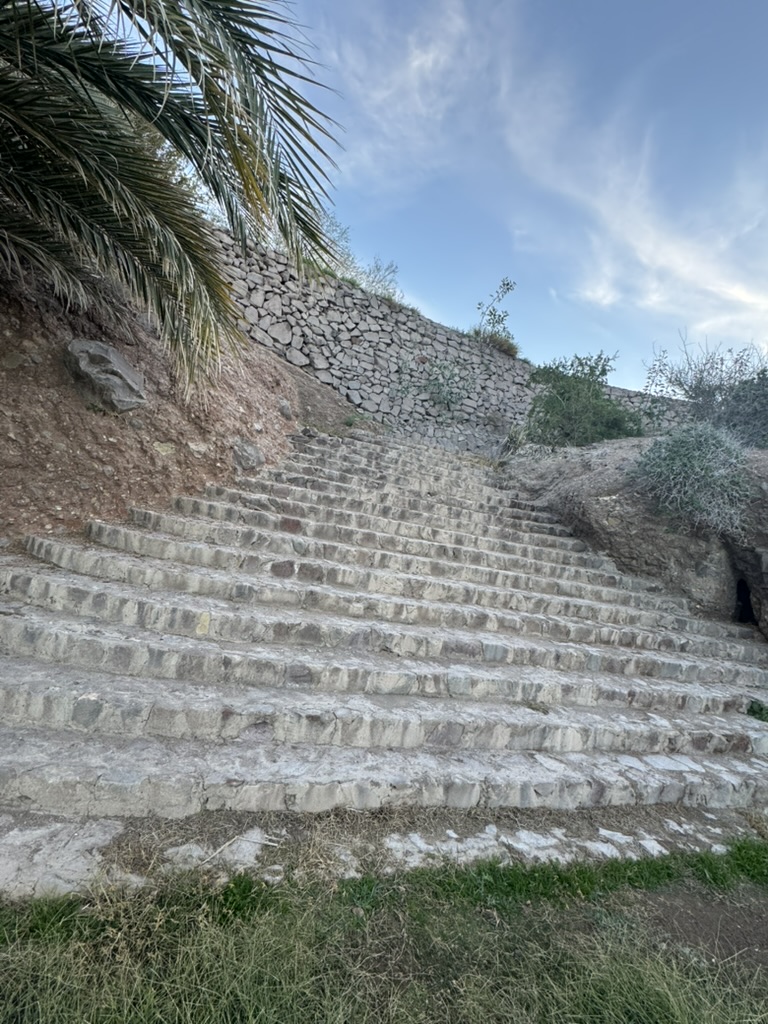
Photo Credit: Amy Tucker, 2026
References
Courtois, C. A. (2008). Complex trauma, complex reactions: Assessment and treatment. Psychological Trauma: Theory, Research, Practice, and Policy, S(1), 86–100. https://doi.org/10.1037/1942-9681.S.1.86
Fisher, J. (2017). Healing the fragmented selves of trauma survivors: Overcoming internal self-alienation. Routledge.
Freyd, J. J. (2008). Betrayal trauma. In G. Reyes, J. D. Elhai, & J. D. Ford (Eds.), The encyclopedia of psychological trauma (pp. 76–77). John Wiley & Sons.
Herman, J. L. (1992). Trauma and recovery: The aftermath of violence, From domestic abuse to political terror. Basic Books.
Jurkovic, G. J. (1997). Lost childhoods: The plight of the parentified child. Routledge.
Minuchin, S. (1974). Families and family therapy. Harvard University Press.
Porges, S. W. (2011). The polyvagal theory: Neurophysiological foundations of emotions, attachment, communication, and self-regulation. W. W. Norton & Company.
van der Kolk, B. A. (2014). The body keeps the score: Brain, mind, and body in the healing of trauma. Viking.
Here rests vigilance, laid down with care.