Content Warning: This post contains reflections on grief, loss, and emotional exhaustion. Please care for yourself as you read, and feel free to step away if you need to.
On Randy Pausch, Childhood Play, and Learning to Remember at Sixty
Credit: Randy Pausch, The Last Lecture, 2007
I brought Randy Pausch’s The Last Lecture with me to Mexico. Someone gave it to me years ago, and I never had a chance to read it. Too busy. Too many other things are demanding attention. Too much work to do. I have watched and rewatched the video several times, it is one of my favourites to return to when I feel uncertain about my life.
But two weeks into this retreat, with time stretching out in ways that felt entirely unfamiliar, I picked it up. Started reading. And Randy asked a question that stopped me cold: What were your childhood dreams?
¿Cuáles eran tus sueños de infancia?
He wrote about his own experiences: being in zero gravity, playing in the NFL, authoring an article for the World Book Encyclopedia, being Captain Kirk, winning stuffed animals at amusement parks, and being a Disney Imagineer (Pausch & Zaslow, 2008). He could name them. List them. Tell the stories of how he pursued each one.
I closed the book and sat there for a long time, reluctant to answer. Because the honest answer was: I find myself drawing a blank. No me acuerdo. The memories feel distant, blurred at the edges.
I remember that I had them. I know there were things I wanted to be, do, and become. But somewhere between seven and sixty, those dreams got buried under layers of survival, responsibility, and the endless work of just getting through.
Enterrados. Buried. Pero no muertos. But still alive, buried beneath the surface.
And I realised: the same thing that suppressed my capacity for play also suppressed my ability to remember what I wanted before I learned what was realistic, achievable, and appropriate for someone with my background, resources, and limitations.
La misma cosa. The same thing. El juego y los sueños, ambos enterrados juntos. Play and dreams, both buried together.
I am sixty years old, and that question stops me completely. ¿Qué quería ser? What did I want to be?
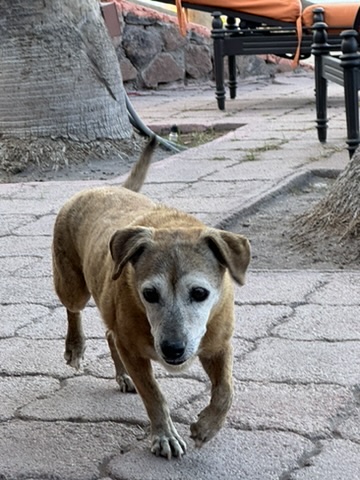
Senior Puppy
And yet it hurts more than I expected. But it does. Because it means I have spent decades living without reference to those early desires. Without even remembering they existed. Without asking: what did that seven-year-old want? And does she still want it? And if she does, what would it take to give it to her?
Randy Pausch had an engineering problem. He had months to live, children to teach, and dreams to pass on. My problem is different but somehow related. I have years left, hopefully decades. But I have lost contact with the person who knew how to dream without editing, who knew how to want without calculating the probability of success, who knew how to play without needing justification.
And I am trying to find her again.
I have been reading this book slowly. A few pages each morning on the patio. Letting it sit with me. Letting Randy’s urgency teach me something about my own squandered time. Letting his clarity about what matters help me see what I have been avoiding.
¿Qué pasó con los sueños? What happened to the dreams?
¿Dónde están ahora? Where are they now?
What Randy Knew that I Forgot
I keep coming back to this as I read: Randy Pausch’s lecture is about achieving childhood dreams. But underneath that is something more fundamental: he remembered what they were. He could name them. He could tell you which ones he achieved, which ones he enabled for others, and which ones he had to let go.
He stayed connected to that child self who wanted things before learning whether wanting them was wise, possible, or realistic.
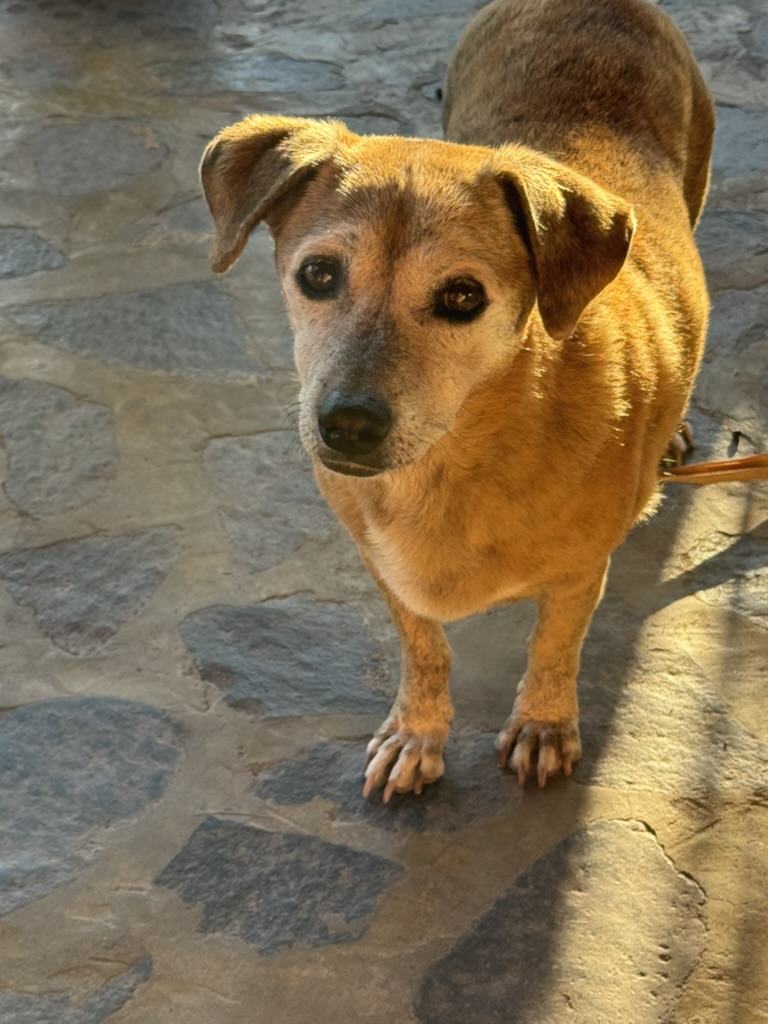
My Sweet Seniorita
I lost that connection.
Somewhere along the way, growing up in circumstances that required constant adaptation, resilience, and reinvention, I lost track of what I originally wanted. Or maybe I decided those wants were dangerous. Distracting. Luxuries that felt impossible to hold onto when survival required all my attention.
Brown and Vaughan (2009) argue that childhood play deprivation creates deficits that persist into adulthood. But I had play as a child. I played. I had imagination. I had dreams. I had that glorious, unselfconscious absorption in make-believe, adventure, and creating worlds that answered to imagination alone.
But somewhere between childhood and adulthood, I put all of that away. And the strangest part is that the moment I decided to stop has vanished from memory. It happened quietly, without drama. Just a gradual fading. A slow erasure. Until one day I looked around and realised every want had become attached to a strategic purpose or an external expectation.
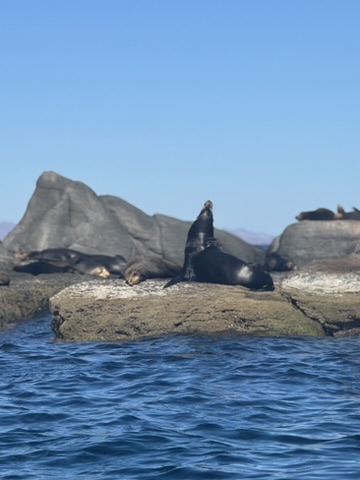
Randy kept his dreams. I lost mine. And sitting here at sixty, watching sea lions play, I am trying to understand: how do you find what you have lost when the memory itself has faded?
The Dream I Do Remember
El Sueño Que Sí Recuerdo
There is one dream I remember. Barely. Faintly. Like something seen through fog.
I wanted to be a writer.
Quería ser escritora.
A real storyteller. Someone who writes outside the academy, beyond peer review. Simply a writer. Una escritora de verdad. Someone who tells stories. Someone who makes meaning through words. Someone whose writing helps other people understand themselves better, feel less alone, find language for experiences that felt too big or too complicated or too shameful to name.
I remember sitting in my grandmother’s house as a child, reading books, thinking: I want to do this. I want to make people feel the way this book makes me feel. Connected. Understood. Less alone.
And then I grew up and learned all the reasons to be cautious. That serious people have backup plans. That you need security before you can afford creativity. That passion alone leaves you exposed.
So I became a scholar instead. Learned to write in ways that met academic standards. Learned to produce work that served institutional needs. Learned to measure success by publications, citations, and conference presentations.
And somewhere in all that learning, I stopped writing the kind of writing that made me want to write in the first place.
This retreat is me trying to find that again. This blog. These daily reflections. This attempt to write in ways that sound like thinking, that honour experience as data, that trust that someone reading this might feel less alone because I am willing to say: I lost my dreams. I forgot how to want. I put away play because I thought I had to in order to survive.
Nash (2004) calls this Scholarly Personal Narrative. A methodology that allows lived experience to count as data when properly theorised and critically examined. But underneath the methodology is something simpler: permission. Permission to write the way I wanted to write before I learned all the rules about how writing should sound.
Randy achieved his childhood dreams. I am trying to remember mine. And maybe that is okay. Maybe sixty is exactly the right time to ask: what did I want before I learned to want only achievable things? And what would it mean to give that to myself now, even if it looks different than it would have looked at seven?
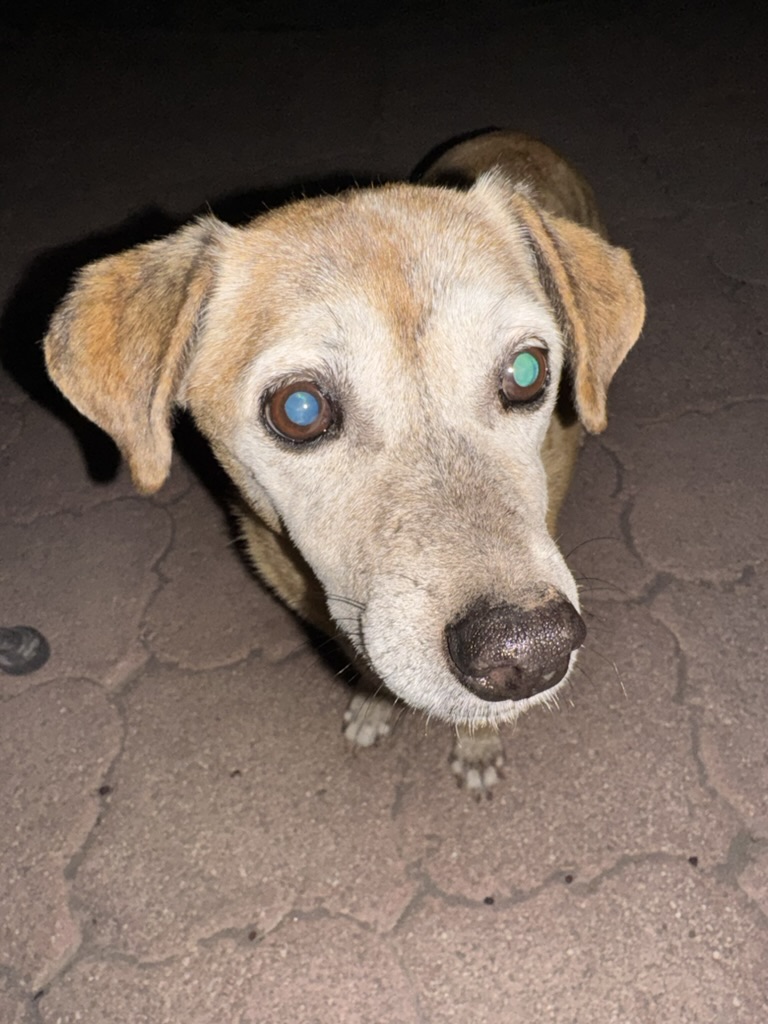
My Sweet Lady
Here is what I am learning: play and childhood dreams are connected in ways I am only beginning to understand.
Dreams are what you want. Los sueños son lo que quieres. Play is how you practice wanting. El juego es cómo practicas querer. Children play at being the things they dream about. Play astronaut. Play teacher. Play explorer. Play artist. The play is how the dream stays alive. How it gets rehearsed. How the child learns what that dream might feel like if it came true.
When you stop playing, you stop wanting to practice. Cuando dejas de jugar, dejas de practicar querer. And when you stop wanting to practice, the dreams fade. Gradually. Poco a poco. Until you can no longer remember what they were.
I stopped playing because survival required seriousness. And when I stopped playing, I stopped rehearsing the dreams. Stopped imagining what they would feel like. Stopped giving them shape, texture, and presence in my daily life.
And now, as I try to recover play, I am discovering: the dreams are still there. Buried. Waiting. They resist direct thinking, analysis, or strategic planning. I have to play my way back to them.
Winnicott (1971) writes about play as the location where we discover who we are and what we want. Through the spontaneous, creative, unselfconscious exploration that play allows, rather than through serious self-examination. Play is how we find out what brings us alive. What captures our attention. What we return to again and again, because it calls to something essential in us.
Watching sea lions yesterday, I felt something wake up. Algo despertó. A feeling rather than a specific dream. Simply the sense that dreaming is possible. Que soñar es posible. That wanting things just because I want them is allowed. That every desire deserves to exist without a justification, without strategic reasoning, probability analysis, or risk assessment.
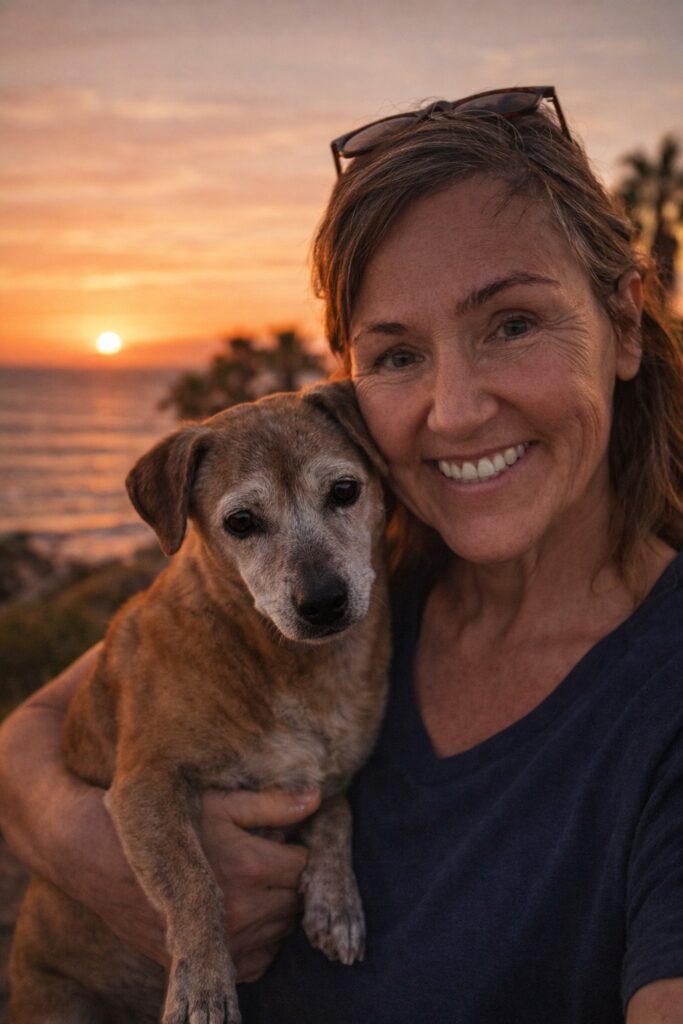
My Sweet Love
I came back to the cottage and read more of Randy’s book. Read about how he pursued his dreams because they called to him, regardless of whether they made sense. And I thought: the sea lions understand this instinctively. Randy understood it consciously. And I am somewhere in between, trying to learn what both of them already know.
The sea lions want to play. So they play. Quieren jugar. Entonces juegan. They want to ride waves. So they ride them. They want to leap. So they leap. Quieren saltar. Entonces saltan. There is no gap between wanting and doing. No hay brecha entre querer y hacer. No calculation about whether the want is realistic, appropriate, or likely to succeed.
And watching them, I thought: I used to be like that. Before I learned to edit my wants. Before I learned that some dreams are more acceptable than others. Before I learned that admitting you want something gives people the power to disappoint you, wanting something too much felt like exposure, like handing someone the power to hurt me.
The sea lions remain fully open to wanting. They want fully. They play fully. They risk disappointment by trying. And they seem… joyful. Alive. Present.
I want that back.
Sea Puppies
Randy’s Time Limit, My Extension
El Tiempo de Randy y Mi Tiempo
Randy Pausch had months. Randy tenía meses. I have years, probably decades. Yo tengo años, probablemente décadas.
He used his limited time to pass on everything he wanted his children to know. To enable others’ dreams. To teach his final lessons about living well. Randy wrote that he was trying to put himself in a bottle that would wash ashore for his children someday (Pausch & Zaslow, 2008, p. 10). A way of being present even in his absence. A way of teaching everything he hoped to pass on, even beyond his living years.
I have the opposite problem: too much time. Demasiado tiempo. Enough time that I keep postponing. Keep thinking: I will do that later. Lo haré más tarde. I will write that book someday. Algún día. I will pursue that dream when I have more security, more time, more energy, and more certainty that it will work out.
But here is what Randy’s lecture teaches without saying it directly: time limits clarify. Los límites de tiempo aclaran. When you know time is short, you stop negotiating with yourself about what matters. You stop waiting for conditions to be perfect. You stop postponing joy until after you have finished all the serious work.
You do what matters. Now. Ahora. Because now is all you have. Porque ahora es todo lo que tienes.
His urgency is foreign to me. But I am learning to borrow some of it. Because sixty carries a particular kind of weight. Because the time I am squandering waiting for perfect conditions is time that passes regardless. Because every day I spend avoiding the writing I want to do, the play I once knew, the dreams I have yet to recover, is a day lived at partial capacity.
The urgency is real, even without a terminal diagnosis. Living fully asks only for honesty about what matters. It just requires recognising that postponing joy is a choice. And it is a choice I have been making unconsciously for decades.
Randy made the conscious choice to live fully in his remaining months. I am trying to make the conscious choice to live fully in my remaining decades. Because time is precious even when there is plenty of it. Because I have one life and it is happening now, and I want to arrive at the end having asked, clearly and honestly: what did I want? Did I give it to myself? And if I delayed, why?
Lo Que El Juego Enseña Sobre Los Sueños
I have been playing for two weeks now. Small ways. Tentative ways. Humming. Swimming for pleasure. Skipping three steps. Following curiosity without needing it to be productive.
And something entirely unexpected is happening: wants are surfacing.
Los deseos están surgiendo. Wants. Deseos.
Small wants at first. I want to swim longer. Quiero nadar más tiempo. I want to sit and watch pelicans without checking the time. I want to write this blog post even though it falls outside my thesis word count. I want to buy this small carved turtle from the vendor on the beach, simply because looking at it makes me happy.
Small wants. Deseos pequeños. Silly wants, maybe. Wants that serve no strategic purpose and advance no career goal. Just wants. Solamente deseos.
And underneath the small wants, larger ones are stirring. Still foggy. Still too foggy to name precisely. But there. Waiting. Getting stronger as I practice the small wants, as I learn that wanting is allowed, as I remember that I am allowed to pursue things just because they call to me.
I think this is how you find lost dreams. Thinking about them directly leads nowhere. Analyzing what you should want, what you used to want, or what you ought to want now only takes you further from the answer. But by practicing wanting in small ways until the muscle memory comes back. Until wanting feels safe enough that bigger wants can surface. Until you trust yourself enough to say, “This is what I want.” And I am going to pursue it because it calls to something in me that has been silent for too long, regardless of whether it is realistic, appropriate, or likely to succeed.
Randy Pausch enabled others’ dreams. Taught his students to pursue theirs. Passed them on to his children. He understood that helping others achieve their childhood dreams was as important as achieving his own, maybe more important (Pausch & Zaslow, 2008). He called it the “head fake.” The real learning, the real gift, lived inside what pursuing it taught you about yourself and what you could become.
I am enabling my own dream. The one I forgot I had. The one that is still there, underneath all the layers of learned seriousness, strategic thinking, and a protective refusal to want.
The dream of writing. Really writing. The kind that helps people feel less alone. The kind that tells truths I was trained to suppress. The kind that sounds like me, the full me rather than the academic persona I learned to perform.
This blog is me practicing. This retreat is me creating conditions where that dream can breathe again. These 30 days are me trying to become the kind of person who can say, “I want this.” And then pursue it. Now. Today, while there is still time.
Key Takeaways: What Randy Taught Me
1. Dreams endure. They simply get buried.
Los sueños no mueren. Simplemente se entierran.
Randy stayed connected to his. I buried mine. But buried means recoverable. Enterrado no está muerto. Buried can be excavated. It just takes time, attention, and willingness to dig through all the layers that accumulated on top.
2. Play is how you practice wanting.
El juego es cómo practicas querer.
Children know this instinctively. Adults forget it. But the mechanism still works at sixty the same way it worked at seven. When you play, what surfaces? Cuando juegas, los deseos surgen. The trick is to allow them rather than to edit or dismiss them immediately.
3. Time limits clarified. But living fully asks only for clarity, which anyone can choose.
Los límites de tiempo aclaran. Pero no necesitas un diagnóstico terminal para vivir plenamente.
Randy had months. I have decades. But I can borrow his clarity without needing his urgency. Can ask: if time were short, what would matter? And then do that. Now. Ahora. While there is still time. Mientras aún hay tiempo.
4. Enabling your own dreams counts.
Habilitar tus propios sueños cuenta.
Randy enabled others’ dreams. That was his path. Mine is different. I am learning to enable my own. Learning that this is both essential and earned. No es egoísta sino necesario. Helping others find their dreams begins with tending to my own.
5. It is never too late to become who you wanted to be.
Nunca es demasiado tarde para convertirte en quien querías ser.
At seven, I wanted to be a writer who helps people feel less alone. At sixty, I am becoming that. A los sesenta, me estoy convirtiendo en eso. Slowly. Imperfectly. But really. Pero realmente. And the fact that it took fifty-three years to get here makes it more hard-won, more real. Just delayed. And delays can be recovered from.
The Dreams at Sixty Look Different Than the Dream at Seven
I need to say this clearly: My aim is to become the sixty-year-old who knows how to want the way that seven-year-old did. Fully. Completamente. Without apologising. Sin disculparse. Without needing permission. Sin necesitar permiso.
The dream at sixty looks different from what it would have looked like at seven. It is complicated by everything I have learned, everything I have lived through, everything I know now about how the world works, how hard things are, and how much survival costs.
But it is also enriched by all of that. Pero también está enriquecido por todo eso. The writing I can do now is writing that a seven-year-old was incapable of doing. Because it is informed by sixty years of living. By loss and love and chronic stress and hard-won healing. Por pérdida y amor, por estrés crónico y por curación ganada con dificultad. By understanding that comes only from decades of paying attention.
Randy achieved his childhood dreams by becoming exactly who that child wanted to be. I am achieving mine by becoming who that child would have grown into if she had been allowed to keep wanting, keep dreaming, keep playing all along.
Different paths. Caminos diferentes. Same destination: living fully. Vivir plenamente. Wanting openly. Querer abiertamente. Pursuing dreams because they are real, because they are mine. Perseguir sueños no porque sean realistas, sino porque son reales.
Photo of a Bumper Sticker
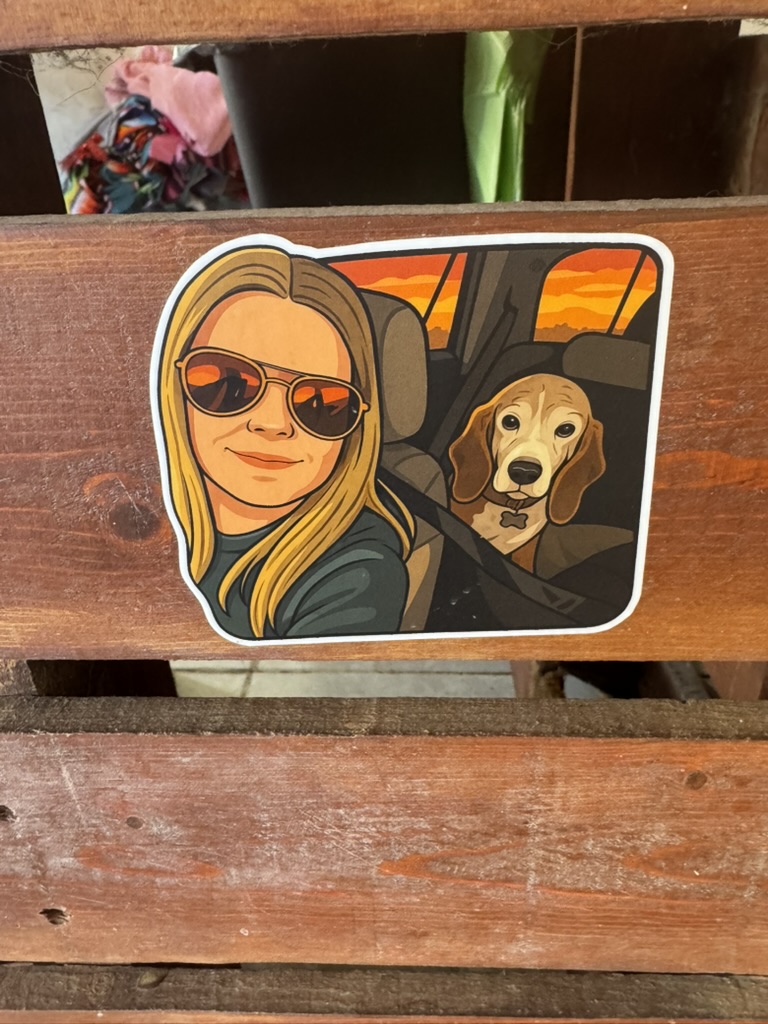
Gracias, Randy, por preguntar qué soñábamos. Thank you, Randy, for asking what we dreamed.
Por recordarme que tuve sueños. To remind me, I had dreams.
Por mostrarme que nunca es demasiado tarde. For showing me that it is never too late.
Por enseñarme que el juego y los sueños están conectados. For teaching me that play and dreams are connected.
Por vivir completamente hasta el final. For living fully until the end.
Por darme permiso para hacer lo mismo. For giving me permission to do the same.
Con décadas por delante, no meses. With decades ahead.
Pero con la misma urgencia de vivir bien. But with the same urgency to live well.
Ahora. Now.
Mientras aún hay tiempo. While there is still time.
The Power of Play
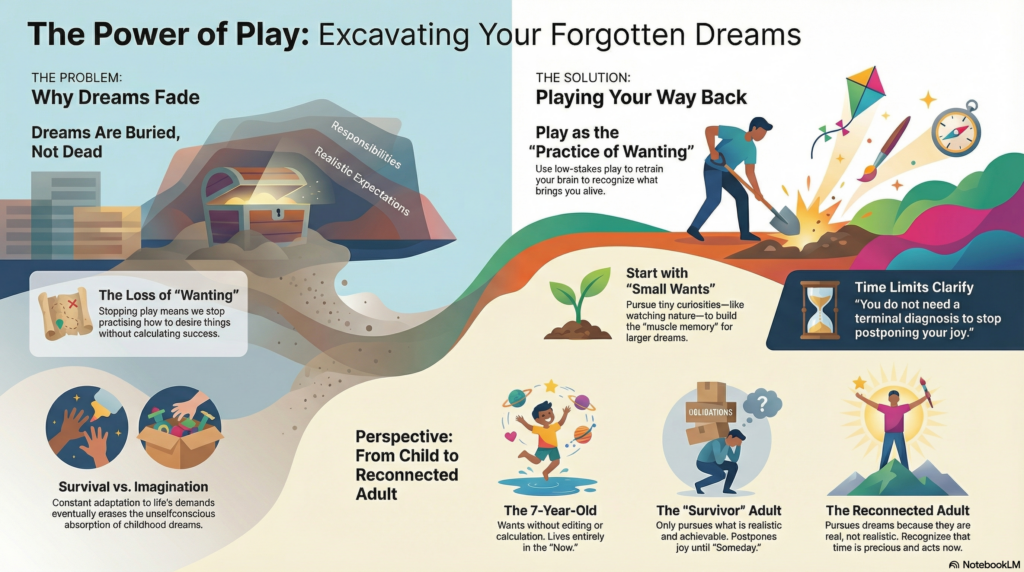
Credit: NotebookLM, 2026
Thank you for the reminder, Randy.
Translation note. Spanish language passages were generated using Google Translate and subsequently reviewed and refined by the author. Any remaining infelicities reflect the limits of machine translation rather than intent.
References
Google. (n.d.). Google Translate. https://translate.google.com
Pausch, R., & Zaslow, J. (2008). The last lecture. Hyperion.
Pausch, R. (2007). Randy Pausch’s last lecture: Achieving your childhood dreams [Video]. YouTube. https://www.youtube.com/watch?v=ji5_MqicxSo